
Manali vs Jibhi in 2026: Which Himachal Trip Fits Your Budget, Season and Travel Style?
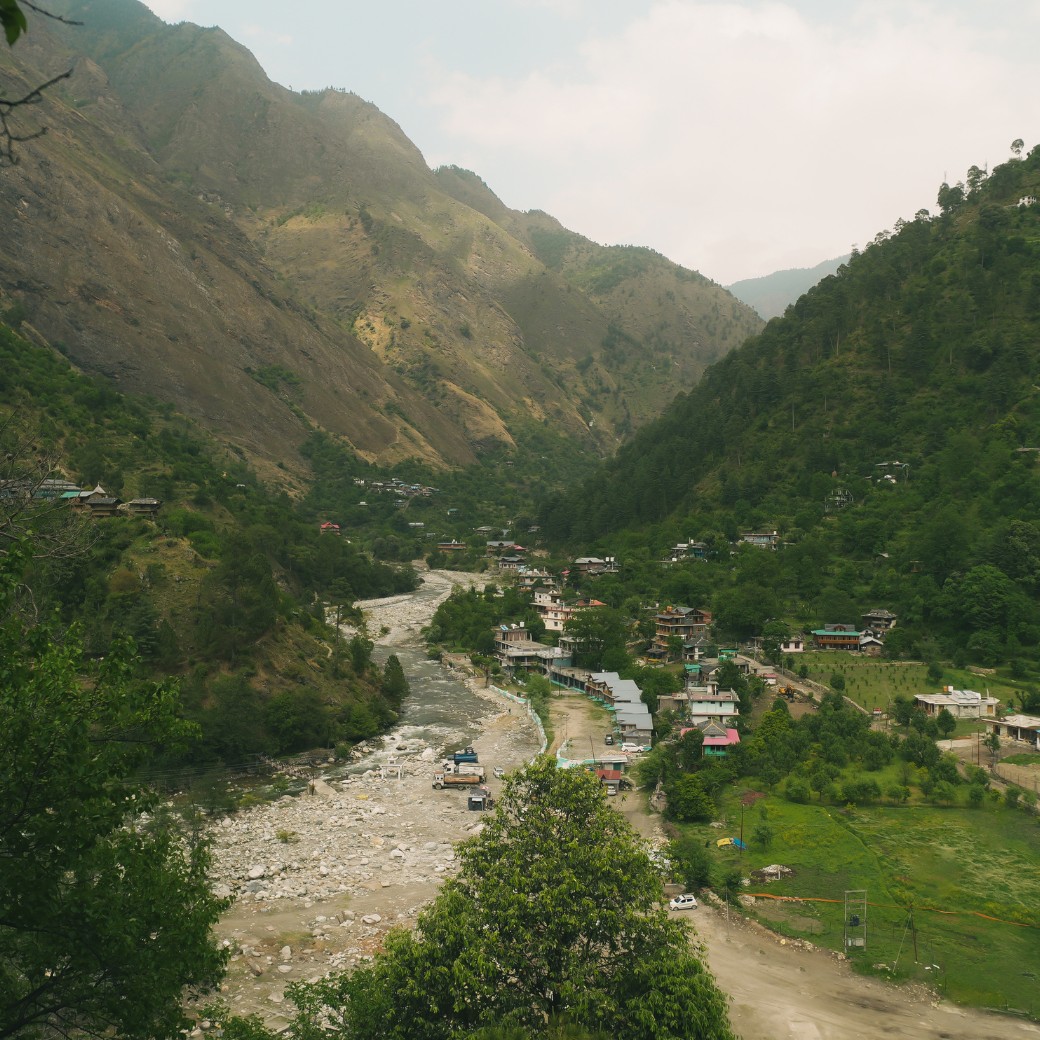
If you are stuck choosing between Manali and Jibhi, here is the honest truth first. These are two very different trips, not two versions of the same one.
The whole manali vs jibhi debate usually comes down to one question. Do you want more things to do, or do you want to slow down and do almost nothing?
We run trips across both places every season, and the travellers who are happiest are the ones who picked based on their actual travel style, not on what looked prettiest on Instagram.
Quick Answer: Should You Choose Manali or Jibhi?
Pick Manali if you want more sightseeing, organised activities, snow outings, hotel choice, shopping and easy family logistics. It is the safer bet for a first Himachal trip.
Pick Jibhi if you want forest views, a quiet cottage, short walks and a slow, unhurried holiday with far less noise and traffic.
On money, Jibhi can lower your activity bill because so much there is just nature. But private taxis to spread out spots like Shoja and Jalori Pass can quietly push the final cost higher than you expect.
Quick calls
couples who love cafés and a busy plan lean Manali, couples who want privacy lean Jibhi. Families with kids usually do better in Manali. Budget travellers can make either work if they use buses and skip pricey add-ons.
If you want someone to sort the logistics for you, our Manali tour packages come with a local driver and stays we actually trust.
What Is the Main Difference Between Manali and Jibhi?
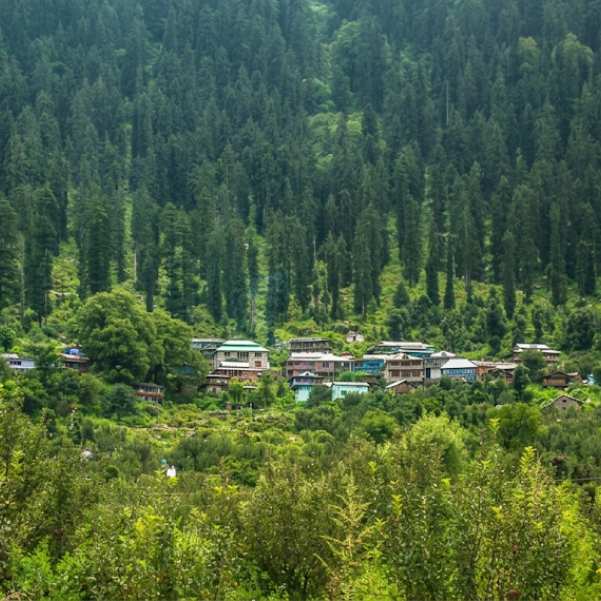
Manali is a full scale mountain resort
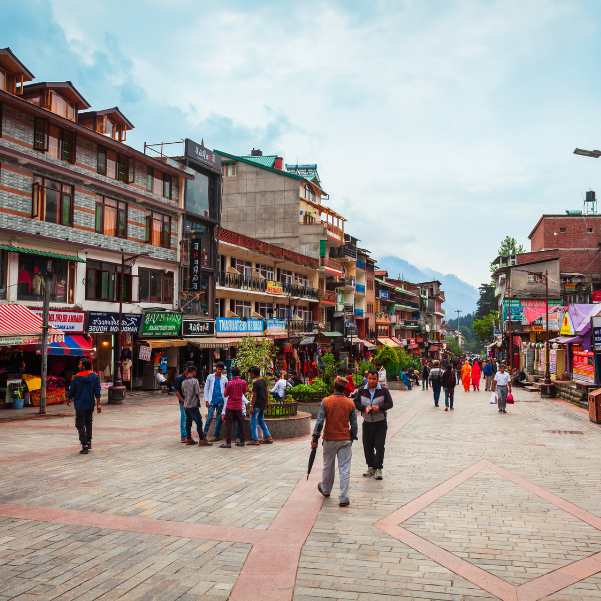
Manali is a proper tourist town with a big ecosystem around it. More hotels, more restaurants, more taxis, more sightseeing options and more organised activities than Jibhi has.
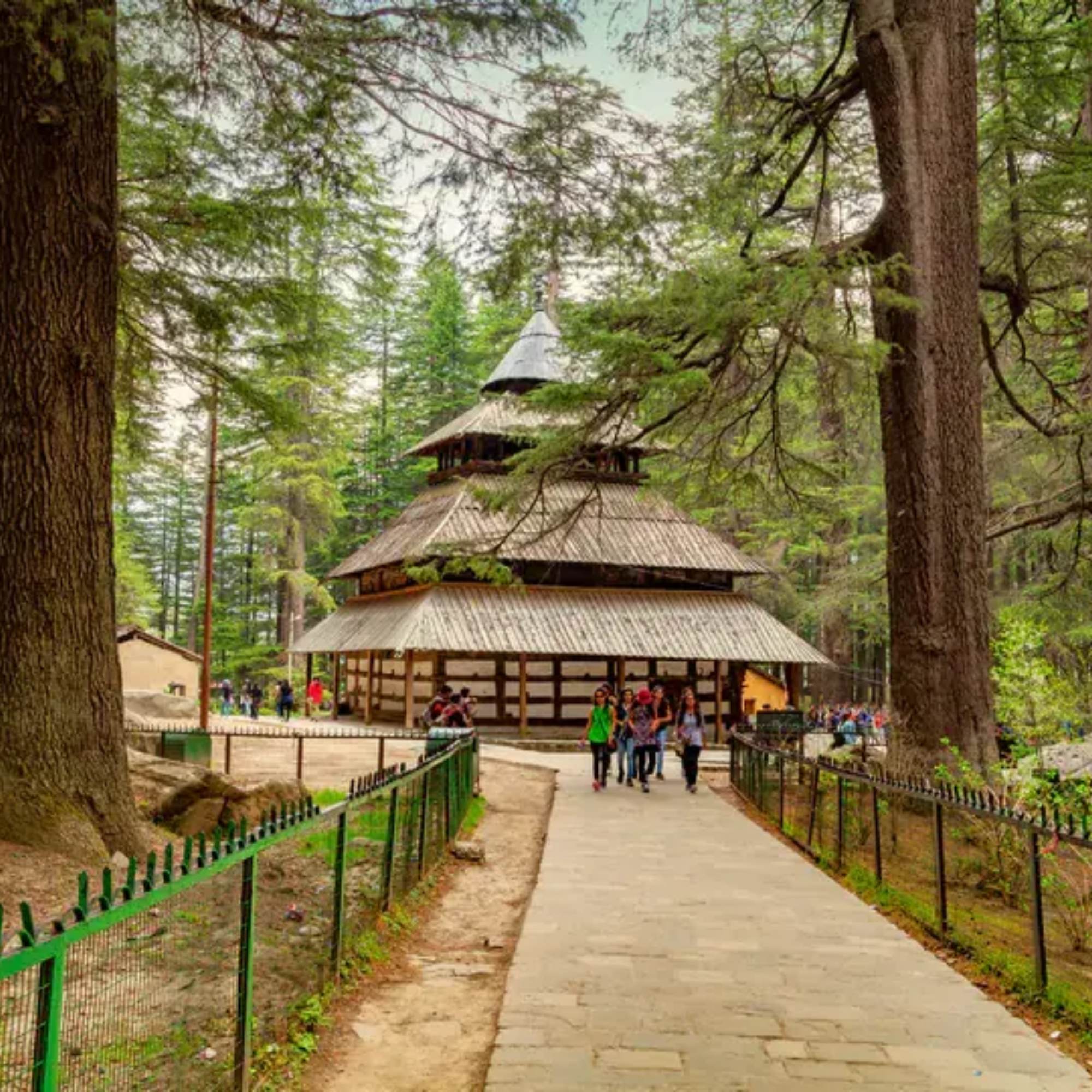
You get Mall Road, Old Manali, Hadimba Temple, Vashisht and Solang Valley all within easy reach of each other.
This range is exactly why first time travellers love it. You can fit several very different experiences into a short holiday without long drives between each one.
Jibhi is a slow travel mountain village
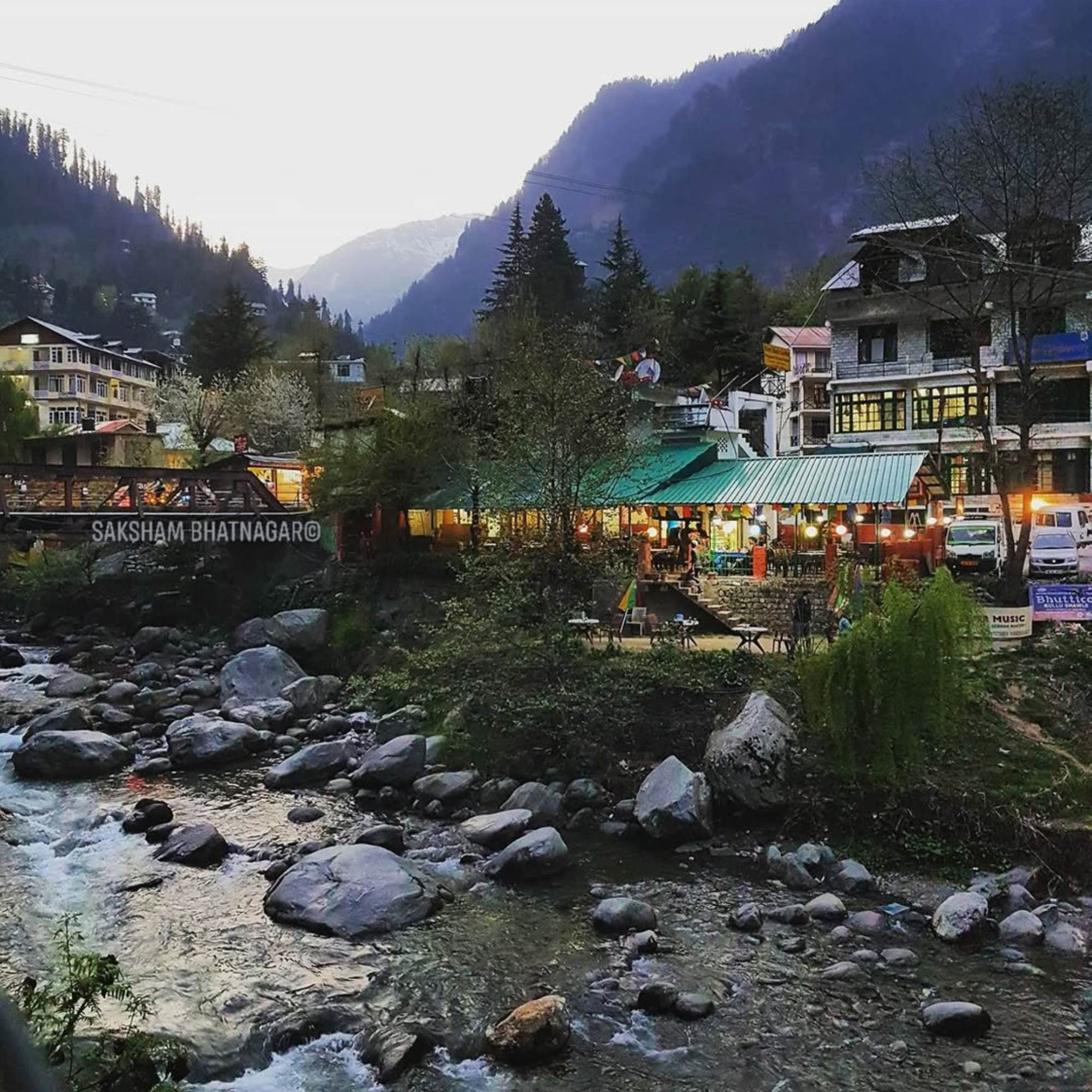
Jibhi is the opposite kind of trip. Its charm comes from forests, streams, waterfalls, wooden houses and quiet cottages spread across the Banjar and Tirthan region.
There are fewer classic tourist attractions here, and the nightlife is nothing like Manali. That is the point, not a flaw.
One honest warning from us. A Jibhi trip lives or dies on your property, its setting, the weather and your pace. A bad stay in a bad spot can make Jibhi feel boring fast.
Manali vs Jibhi Comparison at a Glance
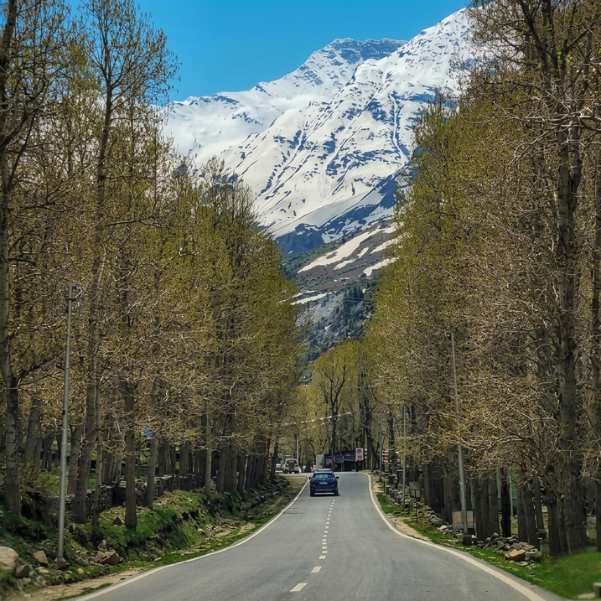
Atmosphere: Manali is lively and busy. Jibhi is calm and green.
Crowds: Manali gets crowded in peak season, on weekends and holidays. Jibhi stays quieter, though popular cafés and waterfalls still fill up.
Activities: Manali wins easily with paragliding, snow points and more. Jibhi is mostly nature, walks and slow days.
Snow access: Manali has a wider winter tourism setup for snow outings. Jibhi may get snow but has far less infrastructure around it.
Family convenience: Manali is much easier for families. Jibhi needs a relaxed family that is fine with a slow schedule.
Couples: Manali suits active couples. Jibhi suits couples who want quiet and privacy.
Accommodation: Manali has huge variety. Jibhi has scenic cottages and boutique stays that are not automatically cheap.
Transport: Manali has an established taxi and sightseeing network. Jibhi needs more planning and local taxis.
Cafés: Both have good cafés. Manali has a wider spread of prices and styles.
Nightlife: Manali has it, especially Old Manali. Jibhi has almost none.
Local sightseeing costs: Manali sights cluster together. Jibhi attractions are spread out, so taxis add up.
Ideal trip duration: Manali works in 2 to 4 nights. Jibhi shines in 2 to 3 slow nights.
Is Jibhi Cheaper Than Manali?
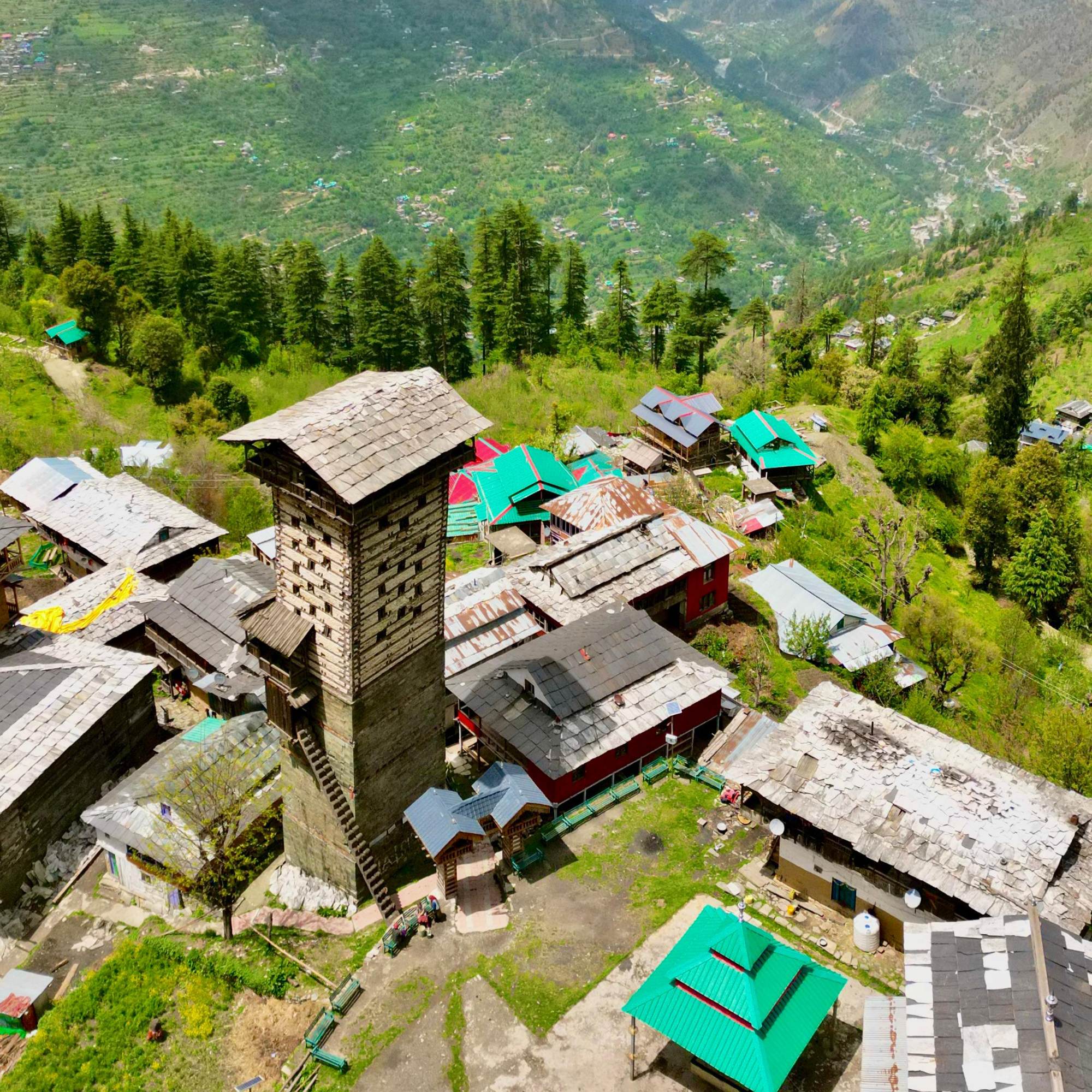
Accommodation costs
Both places have budget rooms and premium stays, so neither is automatically cheap or expensive.
Manali has a much larger room inventory. Outside peak dates, that competition can pull prices down and give you real bargaining room.
Jibhi's pretty cottages, treehouses and boutique stays look dreamy but often carry a premium for the setting. Do not assume a village means cheap.
Food and café spending
Simple local meals can be easy on the wallet in both places. A basic dal, rice and sabzi thali is affordable either side.
The café habit is what quietly drains your budget. Frequent café stops add up fast in both Manali and Jibhi.
Manali just gives you more range, from cheap dhabas to expensive cafés, so you can control spending better here.
Sightseeing and local transport
In Manali, several central sights sit close together and can be grouped in one taxi round. But snow excursions, private vehicles and adventure activities can shoot the bill up quickly.
Around Jibhi, most experiences are nature based and low cost on their own. The catch is transport. Taxis towards Shoja, Jalori Pass and Tirthan Valley can make Jibhi pricier than people expect.
Practical budget verdict
Jibhi works out cheaper when you pick one scenic property, stay put and keep sightseeing light. Less running around means less spending.
Manali can also be affordable. Use local buses, walk around the main sights and skip the costly snow and adventure add-ons.
Daily budgets vary significantly by season, demand, accommodation and activity choices, so use current quotes for your travel dates rather than relying on a fixed figure.
Which Destination Is Better in Each Season?
March to April
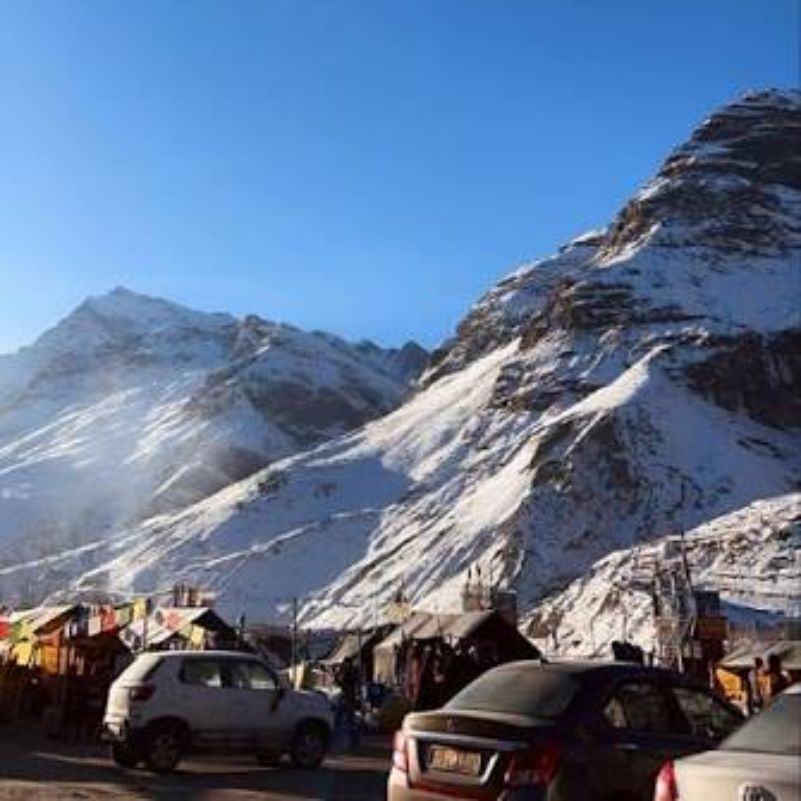
Spring is nice in both, but Manali gives you more backup sightseeing when the high passes are still shut with snow.
Jalori Pass access in March and April depends on snowfall and road-clearance progress, so check the latest road status before travelling.
May to June
Both places get busy in summer. This is peak travel season across Himachal.
Manali has more to do but can see heavy holiday and weekend congestion, especially near Mall Road and the snow points.
Jibhi usually feels quieter, though popular cafés, waterfalls and viewpoints still draw crowds on busy weekends.
Manali offers plenty beyond sightseeing. Explore our guide to the top adventure activities in Manali to see what you can add to your itinerary.
July to August
Monsoon hits both routes hard. This is the season to plan carefully.
Expect heavy rain, slippery roads, landslides, rockfall and temporary road closures on the shared approach through Chandigarh, Mandi and Aut.
Our advice is simple. Book flexible stays, keep buffer days and avoid unnecessary night driving during heavy rain. Neither route is permanently unsafe, but monsoon demands respect.
Considering Jibhi during the rainy season? Our guide to Jibhi in August covers what to expect before you go.
September to November
This is a strong stretch for outdoor sightseeing, weather permitting. Skies clear up and the crowds thin after the summer rush.
Manali suits activity lovers during this period, while Jibhi is ideal for forest walks and slow day trips. Jalori Pass access can become uncertain toward late autumn, so check the current road status before travelling.
December to February
For a snow focused trip, Manali is the more practical pick. It simply has a broader winter tourism network to get you to snow safely.
We cannot promise snow in Manali town on any given date, so do not book around a guaranteed white morning.
Jibhi may get winter snow too, but village snowfall is never guaranteed. After heavy snow, roads towards Shoja and Jalori Pass may be restricted or fully closed.
Manali or Jibhi for Couples?
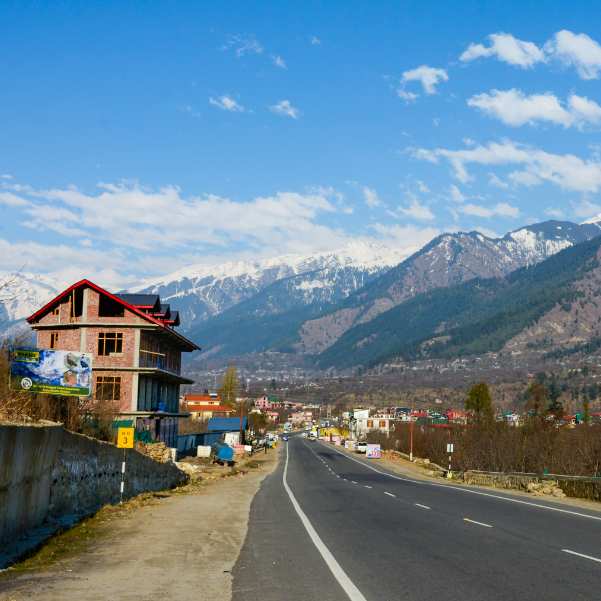
Manali works better for couples who like cafés, shopping, sightseeing, snow outings and a full, busy itinerary. There is always something next.
Jibhi works better for couples who want privacy, a scenic cottage, forest walks and slow riverside time. It is made for switching off.
Neither is more romantic than the other. It comes down to whether you relax by doing more or by doing less.
For more couple-friendly ideas, explore our guide to the best things to do in Jibhi for couples.
Manali or Jibhi for Families?
Families with young children
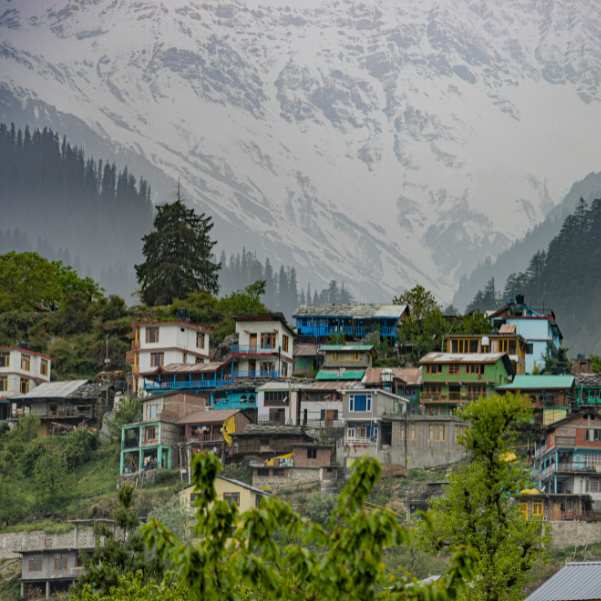
Manali generally makes family life easier. More restaurants, more hotels, more drivers and more simple sightseeing that kids enjoy without long drives.
Jibhi has fewer organised, child focused activities than a big destination like Manali.
That said, Jibhi still works for kids who love nature, as long as the family is happy with a relaxed schedule and some road travel between spots.
Families with senior citizens
In both places, check the hotel carefully for stairs, slope, parking access and how far it sits from the road. This matters more than the destination itself.
Manali offers more property choice, but you may deal with traffic and crowds getting around.
Jibhi is peaceful, but many of its prettiest stays involve steps or steep, inclined access that can be tough for older travellers.
Family verdict
For most first family holidays, we recommend Manali. It is just easier to manage with a group of different ages.
Choose Jibhi only if your family actively wants quiet surroundings and is happy with limited sightseeing.
Which Is Better for Solo Travellers and Groups?

Manali has a bigger hostel scene, more transport, more activities and more social spots. It is easy to meet people here.
Jibhi suits solo travellers who want reading, walking, nature, quiet stays or remote work. Just confirm the internet and mobile signal directly with your property first, since it varies a lot in smaller villages.
For groups chasing nightlife and varied activities, Manali is the clear pick. For small groups who mainly want a cottage, a bonfire where it is legal and safe, walks and easy time together, Jibhi is lovely.
Which Has Better Sightseeing and Things to Do?
What to do in Manali
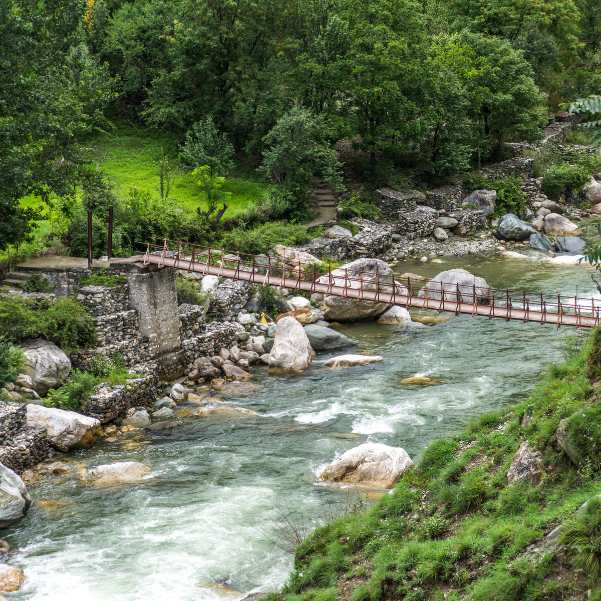
The classics are Hadimba Temple, Old Manali, Vashisht, Mall Road and Solang Valley, with an optional trip to Naggar if you have time.
Adventure activities like paragliding and snow sports run seasonally and depend on the operator and conditions. We will not quote exact prices here, since they shift constantly.
What to do around Jibhi
Around Jibhi you have Jibhi Waterfall, forest walks, riverside time, Shoja, Jalori Pass when it is open, the Serolsar Lake trek when conditions allow, and a Tirthan Valley or Gushaini extension.
Do not assume Jalori Pass or the Serolsar trek is open year round. Both depend fully on snow and weather.
Which Is Easier to Reach?
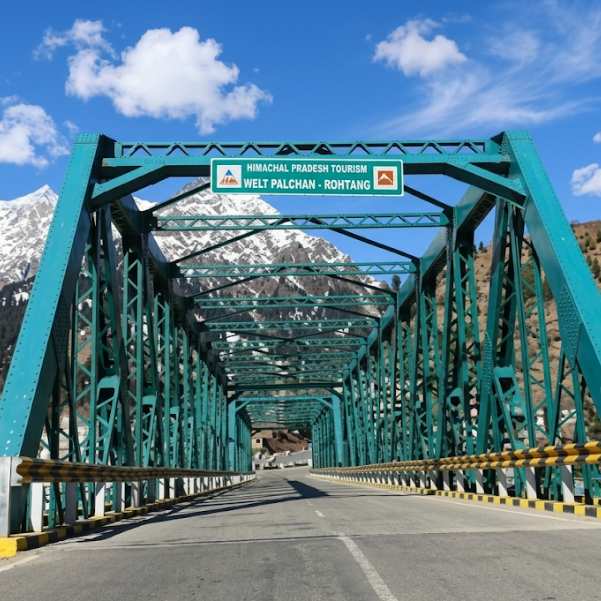
Reaching Manali
Direct overnight buses commonly connect Manali with major north Indian cities, which makes it simple to reach without flying.
Bhuntar is the airport serving the wider Kullu region if you prefer to fly part of the way.
Local taxi and sightseeing fares vary by route, vehicle type, season and demand, so check current rates directly with the operator before booking.
Reaching Jibhi
For Jibhi, travellers usually head to Aut or Banjar first, then continue by local bus or taxi.
The final leg to Jibhi is less direct than reaching Manali, so build in a little extra time.
Public buses do run in the region, but confirm schedules and frequency locally before you rely on them.
Can you travel from Manali to Jibhi?
Yes, the two connect by road through the Kullu, Aut and Banjar side. Many travellers link them in one trip.
The distance and journey time vary with your exact route, traffic, roadworks and weather, so check the current map estimate shortly before travelling.
How Many Days Do You Need?
Two nights
Pick Manali for two nights if you want to tick off several standard attractions in a short window.
Pick Jibhi for two nights only if the plan is to stay put in one place and genuinely unwind.
Three to four nights
This length suits either a focused Manali itinerary or a Jibhi, Shoja and Tirthan style trip.
One honest warning. Do not cram too many road trips into a short Jibhi holiday. The spread out spots eat your day, and you lose the calm you came for.
Five to six nights
With this much time, combine two nights in Jibhi with three nights in Manali. You get both worlds.
Keep the transfer day light. Do not bolt a heavy sightseeing plan onto the day you are moving between the two.
Manali vs Jibhi for Different Travel Styles
First Himachal trip: Manali. More variety, easier logistics, fewer ways to get it wrong.
Peace and solitude: Jibhi. This is exactly what it is built for.
Snow focused holiday: Manali, for the wider winter setup. Just no snow guarantees on a date.
Adventure: Manali, for organised, seasonal activities and operators.
Families: Manali for most, Jibhi for families who truly want quiet.
Couples: Split decision. Manali for active couples, Jibhi for slow ones.
Workations: Jibhi, if the property confirms solid internet. Otherwise Manali.
Nature photography: Jibhi for forests and villages, Manali for big mountain and snow shots.
Cafés and nightlife: Manali, no contest.
Low activity budget break: Jibhi, one stay, minimal taxis, minimal spending.
When Should You Avoid Each Destination?
If you hate traffic, avoid Manali during peak holiday periods, or at least stay away from its busiest centre and pick a quieter locality.
If you expect lots of nightlife, shopping and organised entertainment, Jibhi will feel too quiet and you may get restless.
Take extra care in both areas during severe monsoon weather. Roads change fast when it pours.
Do not build a whole winter Jibhi itinerary around Jalori Pass without confirming access first. And remember, neither place can promise snowfall on the day you choose.
Can You Combine Manali and Jibhi in One Trip?
Suggested five night route
Do two nights in Jibhi first, then three nights in Manali. Start slow, then get busy.
You can reverse the order depending on your transport and onward journey. Transfer time varies with traffic, roadworks and weather, so check the current map estimate before travelling.
Who should combine them?
This route suits travellers with at least five nights, couples or families who want both quiet and activity, and anyone who may not get back to Himachal soon.
Getting both in one trip means you never have to wonder what the other place was like.
Final Verdict: Jibhi or Manali?
For a first trip, broad family convenience, organised adventure and a more active itinerary, Manali is the stronger all round pick.
For quiet stays, forest scenery, privacy and slow travel, Jibhi wins.
If you have five or six nights, stop choosing and combine them. It is the smartest way to enjoy both sides of Himachal in one go.
If you want someone to sort the logistics for you, our Manali tour packages come with a local driver and stays we actually trust.
Explore Our Curated Manali Tour Packages
 6D/5N
6D/5NManali Solang Sissu Sethan Snow Adventure
1D Delhi•3D Manali+2
₹15,999₹21,999SAVE ₹6,000/ person 6D/5N
6D/5NManali Solang Sissu Sethan Snow Trip With Kasol
1D Delhi•3D Manali+2
₹25,999₹33,999SAVE ₹8,000/ person 7D/6N
7D/6NManali Kasol Jibhi Valley Trip
1D Delhi•2D Manali+3
₹25,799₹32,999SAVE ₹7,200/ person
Related topics
Frequently Asked Questions
Which is better, Manali or Jibhi?
Manali is better for activities, shopping and easy travel. Jibhi is better for forests, quiet stays and a slower holiday.
Is Jibhi cheaper than Manali?
Not always. Jibhi can be cheaper with a simple stay, but premium cottages and local taxi costs may increase the budget.
Which is better for couples, Manali or Jibhi?
Manali suits couples who enjoy cafés, sightseeing and activities. Jibhi is better for privacy, cottages and peaceful forest walks.
Which is better for families with children?
Manali is usually easier for families because it offers more hotels, restaurants and child-friendly sightseeing. Jibhi suits nature-loving families wanting a relaxed trip.
Does Jibhi receive snowfall?
Jibhi may receive snowfall in winter, but it is never guaranteed. Nearby Shoja and Jalori Pass usually have better snow chances.
Is Jibhi better than Manali in summer?
Jibhi is better for a quieter and greener summer escape. Manali offers more activities but is generally busier during May and June.
Which destination is safer during the monsoon?
Both Manali and Jibhi face landslide, rockfall and road-closure risks during heavy rain. Check current road conditions and avoid night driving.
How many days are enough for Jibhi?
Two to three nights are enough for Jibhi. This allows time for waterfalls, forest walks, riverside relaxation and a possible Shoja or Jalori trip.
How many days are enough for Manali?
Two to four nights work well for Manali. Add more days if you want Naggar, adventure activities or relaxed day trips.
Can Manali and Jibhi be covered together?
Yes, five to six nights are enough for both. A good plan is two nights in Jibhi and three nights in Manali.
Is Jibhi suitable for senior citizens?
Yes, but choose a property with easy road access, minimal stairs and nearby parking. Many scenic cottages have steep or difficult approaches.
Which destination has better public transport?
Manali has better buses, direct city connections and a larger taxi network. Jibhi usually requires a connection through Aut or Banjar.
More about Manali
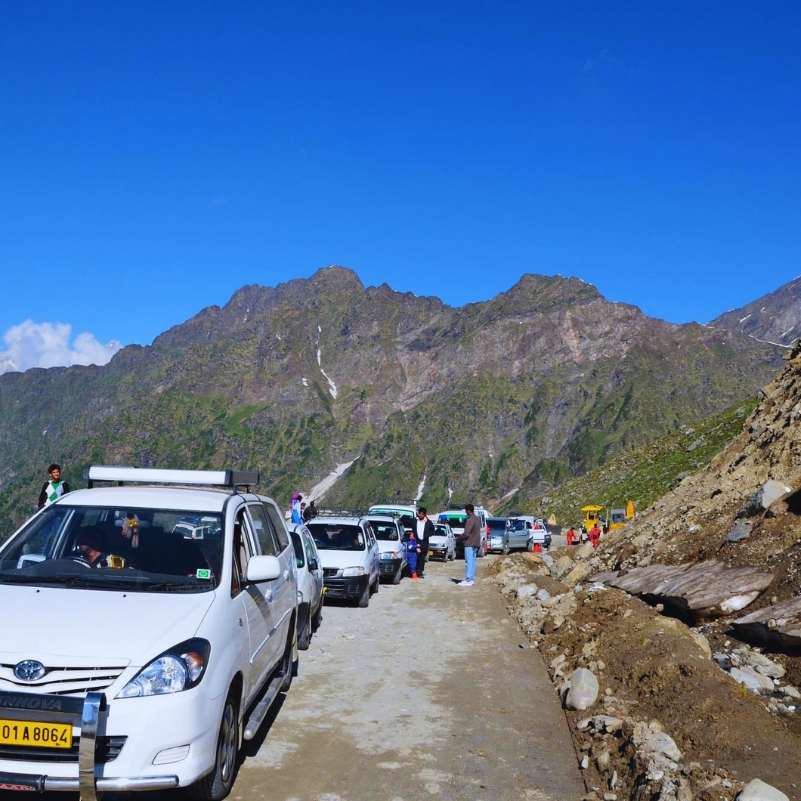 Manali
Manali Taxi Fare 2026: Local Sightseeing, Solang, Sissu, Rohtang and Day Rates
Looking for the latest Manali Taxi Fare in 2026? This detailed guide covers local sightseeing packages, taxi fares for Solang Valley, Sissu, Rohtang Pass, daily cab hire rates, and practical booking tips to help you plan your travel budget with confidence.
- How to Reach
- First-Time Travellers
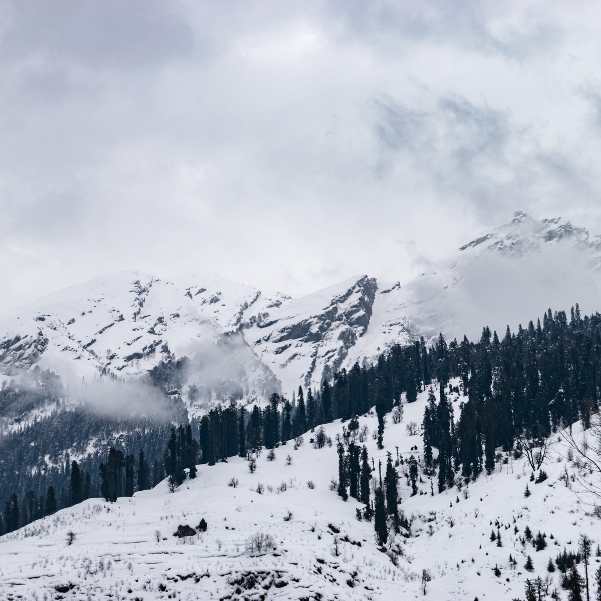 Manali
Manali in January 2027: Snowfall, Weather, Road Conditions, Best Places and 4 Day Itinerary
Plan your Manali trip in January 2027 with details about snowfall, winter weather, road conditions and the best places to visit. Follow a practical four-day itinerary covering local attractions, snow points and seasonal experiences.
- Best Time to Visit
- Snow Travel
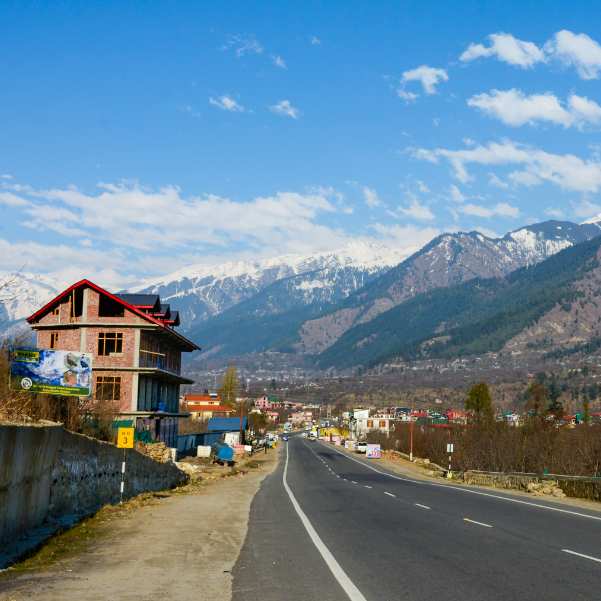 Manali
Bhuntar Airport to Manali 2026: Distance, Taxi Fare, Bus Options and Travel Time
Landing at Bhuntar Airport in 2026? This complete travel guide explains the distance to Manali, taxi fares, bus options, travel time, and practical transfer tips to help you reach Manali comfortably while planning your Himalayan trip with confidence.
- How to Reach
- First-Time Travellers