
Kasol in July 2026: Is It Safe, Worth It & What to Expect?
If you are thinking about Kasol in July 2026, here is the honest version before you pay for anything.
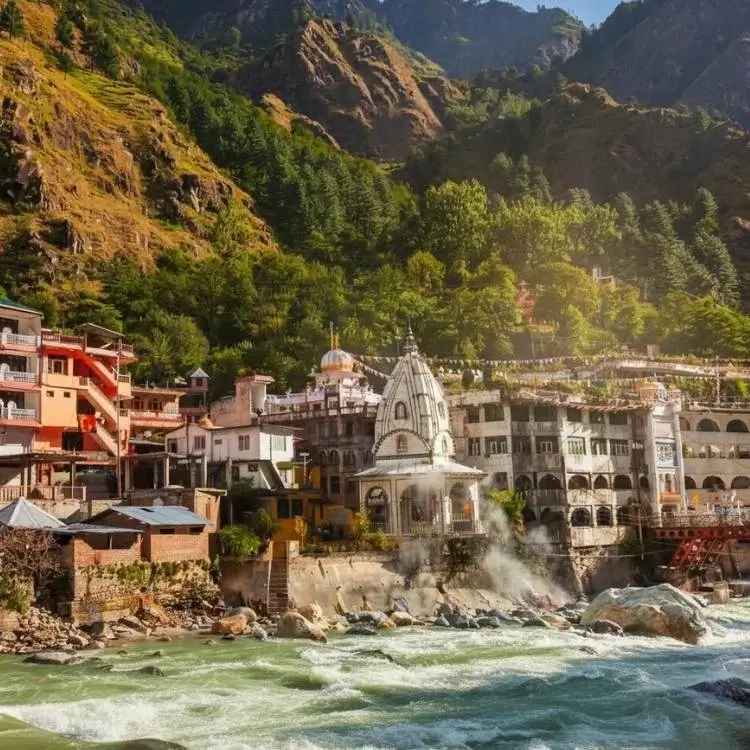
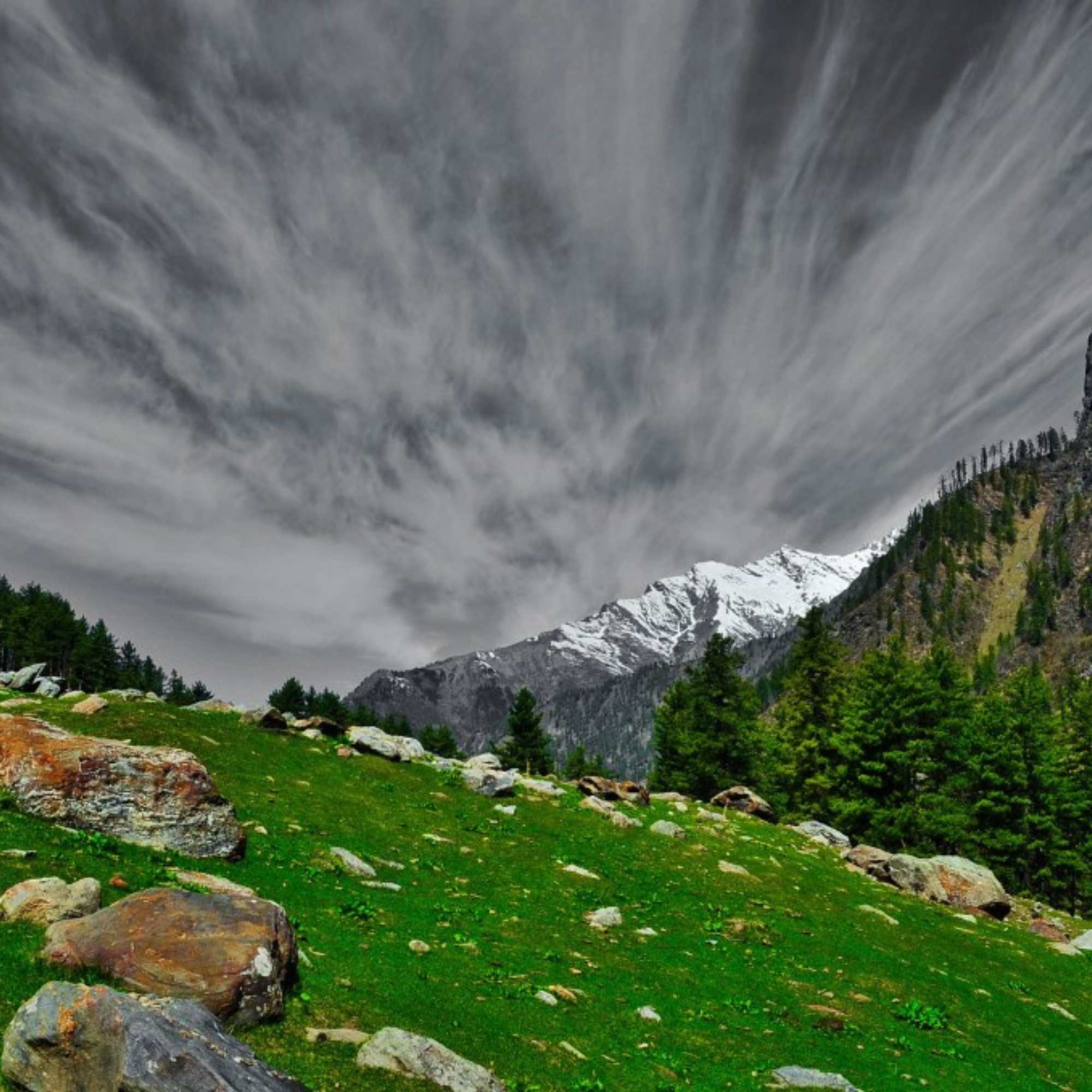
July is monsoon time in Parvati Valley. The hills turn deep green, the Parvati River runs full and loud, and the cafés are half empty.
It looks beautiful. It is also the month when the road gets touchy, streams swell, and a sunny morning can turn into a wet afternoon in twenty minutes.
We run trips in this valley every season, and the feedback in July is always the same. The people who came with flexible dates loved it. The people who came with a flight to catch the next morning did not.
So this guide by Travel Coffee is built around one question. Is July the right month for your kind of trip, or not?
Quick Answer: Should You Visit Kasol in July 2026?
Yes, Kasol in July is worth it if you are a slow traveller, a café person, a photographer, or someone with flexible dates.
You get misty green views, fewer crowds, and cheaper stays. The whole valley feels calmer than the May to June rush.
It is not the right month if your plan is trek heavy, your return date is fixed, or this is your first time driving hill roads.
July is monsoon, so landslides and road delays are real. Plan loose, keep a buffer day, and check road and weather updates before you move.
👉 Need help planning around monsoon conditions? Talk to our team on WhatsApp.
Is Kasol Safe in July?
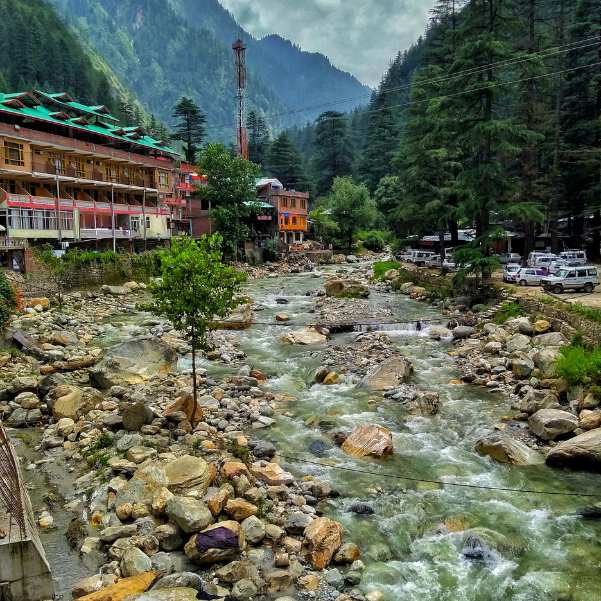
Kasol town itself is mostly fine in July. It sits at about 1,580 m on the banks of the Parvati River, and the town area is small, walkable, and manageable even in the rain.
The real safety issue is not the town. It is everything around it.
The approach road, the swollen streams, the slippery trails, and the sudden rain are what cause problems in July. Most reports from the monsoon months mention heavy rain, landslides, roadblocks, flash floods, and slippery roads.
In our experience, the travellers who get into trouble are almost always the ones who pushed forward at the wrong time. They drove at night, or trekked on a wet trail without checking, or sat too close to the river when the water was rising.
So the rule for July is simple. Do not drive at night on these roads. Do not sit on riverbanks during heavy rain. Do not start any trek without local confirmation that the trail is okay that day.
Save the Kullu District Emergency Operation Center numbers before you go. They are 01902-225630 and 01902-225631. You will probably never need them, but having them costs nothing.
What most tourists get wrong about Kasol in monsoon
Most people treat the river as a photo backdrop and walk right up to the edge for that one shot.
In July the Parvati River is fast, cold, and higher than it looks. The water level can rise quickly after rain upstream, even when it is not raining where you are standing. Keep a real distance from the water.
How Is Kasol Weather in July?
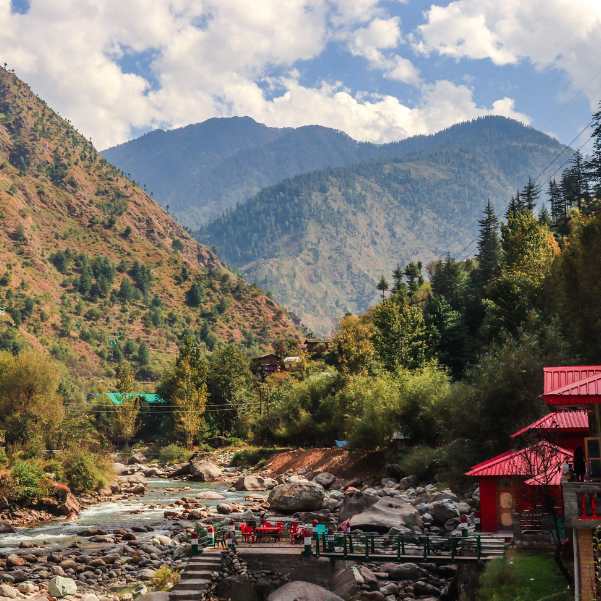
July in Kasol feels misty, green, wet, and unpredictable. One hour you are in your t shirt, the next you are reaching for a jacket while the clouds roll in.
Now about the numbers, and this is where you need to be careful. Most sources place July in a cool to mild monsoon range, but the exact numbers vary by source and altitude.
July weather in Kasol can look different across travel and weather sources, so it is better to plan with a practical range.
Expect cool monsoon weather, with daytime temperatures usually around 17°C to 23°C and nights around 10°C to 16°C. Rain is frequent in July, so keep rain protection, waterproof shoes and buffer time in your itinerary.
These do not match, and that is normal. Weather data for small hill towns is patchy, and altitude changes everything within a few kilometres.
The practical takeaway is this. Expect cool days, colder evenings, and frequent rain. Pack for both a mild afternoon and a cold wet night, because you will likely get both in the same day.
One more thing worth knowing for 2026. IMD Shimla's monsoon outlook says most of Himachal Pradesh is likely to get below normal rainfall during the southwest monsoon this year.
For context, the normal monsoon rainfall for Himachal Pradesh is 734.4 mm, and for Kullu district it is about 548 mm. Below normal does not mean dry, though. Even a lighter monsoon can drop enough rain in one bad spell to block a road for hours.
Is Kasol Worth Visiting in July?
This depends entirely on what you want from the trip.
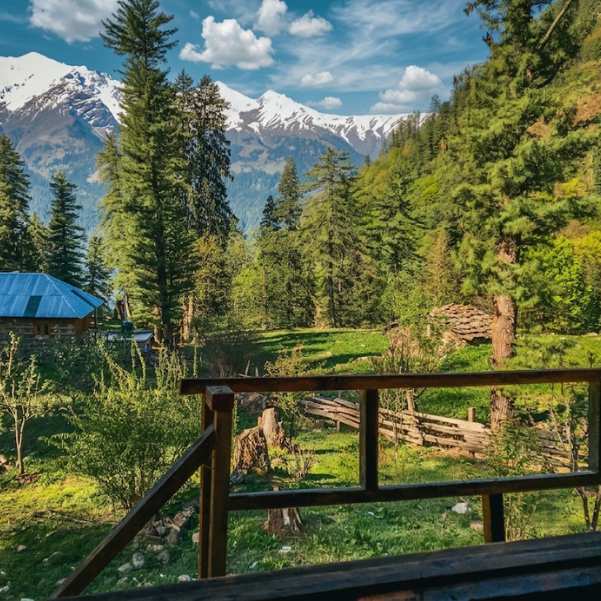
July is worth it for misty views, lower crowds, and cheaper stays. It is the month for slow café days, long reads by the window, and a quiet Parvati Valley that feels like it belongs to you.
Photographers do well here in July. The fog moving through the pine forests, the wet roofs, the green slopes, all of it looks dramatic in this light.
But July is not worth it if your main goal is the Kheerganga trek, clear blue mountain views, riverside camping, long bike rides, or travel on fixed dates.
The clouds sit low for days at a time, so the big open views you see in September photos are not guaranteed. And the treks become a gamble against the weather.
What we always tell our travellers is to match the month to the mood. Come in July for the slow, soft, rainy version of Kasol. Come in September if you want the sharp, sunny, postcard version.
What Are the Road Conditions to Kasol in July 2026?
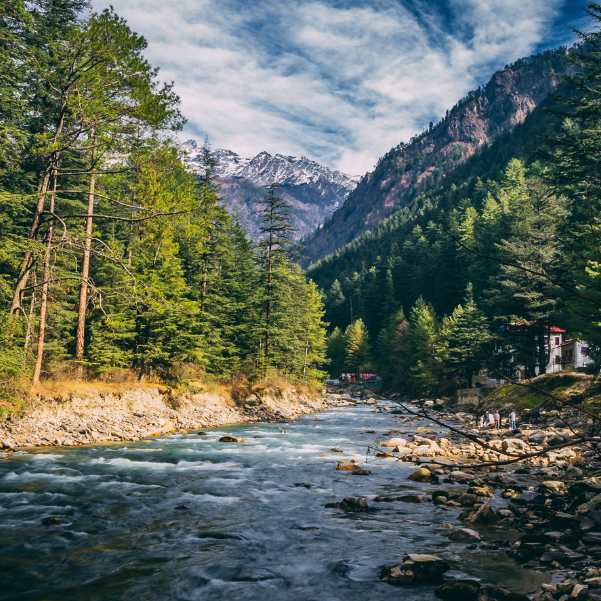
The normal way in is the same whether you start from Delhi or Chandigarh. You reach Bhuntar, then take the road from Bhuntar to Manikaran, and Kasol sits on that stretch.
Some quick distances so you can plan. Kasol is about 30 km from Bhuntar, about 3.5 km from Manikaran, and about 36 km from Kullu. The Kullu Manali Airport at Bhuntar is about 31 km from Kasol.
For the long haul, Delhi to Kasol is around 520 to 530 km by road, and Chandigarh to Kasol is around 271 to 285 km by road. Confirm these before you lock your travel time, because the road quality matters more than the distance in monsoon.
The 2026 road order you need to know about
There is an official update for 2026 that affects this exact route, and most blogs have not caught it yet.
The Kullu District Magistrate issued an order for the Bhuntar to Manikaran road. The order says the road is narrow at several places, affected by landslides, and likely to face congestion and safety hazards.
From 14 April 2026 until the end of the tourist season, Volvo buses and other heavy vehicles on this road are regulated. Heavy vehicles are allowed only between 8 PM and 8 AM.
The exceptions are emergency vehicles, fire tenders, ambulances, school buses, and regular passenger buses. So your normal bus or car is fine during the day, but the big tourist Volvos are pushed to night hours.
This tells you two things. The administration already knows this road is fragile, and traffic on it can back up fast. Plan your drive in daylight, and do not expect to make up lost time by speeding through narrow sections.
If you would rather not deal with any of this yourself, our Kasol tour packages come with a local driver who knows this road and checks conditions before every run.
Reaching Kasol without your own car
Most people fly or drive to Bhuntar first, then cover the last 30 km to Kasol by road.
Buses run on this route, and regular passenger buses are exempt from the 2026 heavy vehicle timing rule, so they keep moving through the day. From Bhuntar you also get shared cabs and private taxis.
In monsoon we tell people to reach Bhuntar with daylight to spare. Doing that last stretch in the dark, in the rain, on a narrow landslide prone road is exactly the situation you want to avoid.
Keep your fuel topped up and some cash on you. The network gets weak in patches, and you do not want to be stuck without either when a roadblock turns a short hop into a long wait.
Can You Visit Tosh, Manikaran, Chalal and Kheerganga in July?
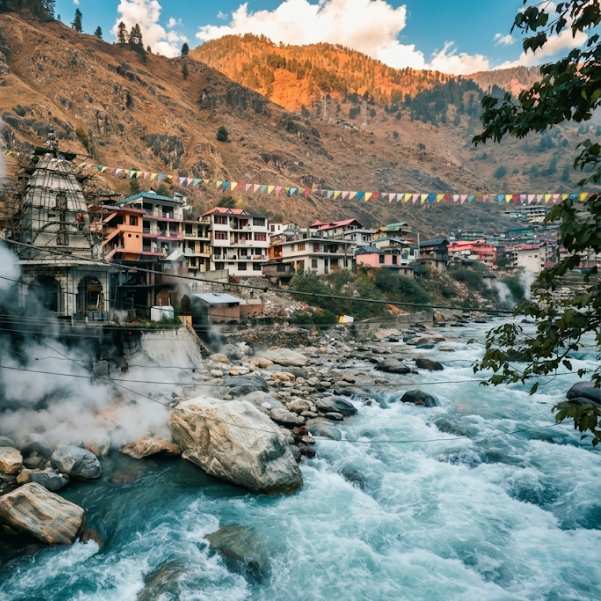
Not all of these are equal in July. Some are easy, some need real caution.
Manikaran and Chalal are the more realistic options in July if the weather is normal. Manikaran is only a few kilometres from Kasol, mostly along a built road, and Chalal is a short flat walk along the river.
Tosh, Barshaini, and Kheerganga are the ones to be careful about. These sit deeper in the valley on rougher roads and steeper trails.
A February 2026 report noted a landslide on the Manikaran to Barshaini link road at Ghatigarh, and described that area as prone to frequent landslides and shooting stones. That is the road you use to reach Tosh and the Kheerganga trailhead, so treat it with respect in the rains.
The Kheerganga trek should be attempted only after you check the current weather and the local trail condition on that day. We will not tell you it is always open or always safe, because in July it genuinely is not.
On permits, one source notes that short treks may not need a permit, but you should verify this locally before you set out. Rules change and local checks are the only reliable answer.
If you are still torn between this valley and a calmer base, our Jibhi or Kasol comparison breaks down which one fits which kind of traveller.
Best Things to Do in Kasol in July
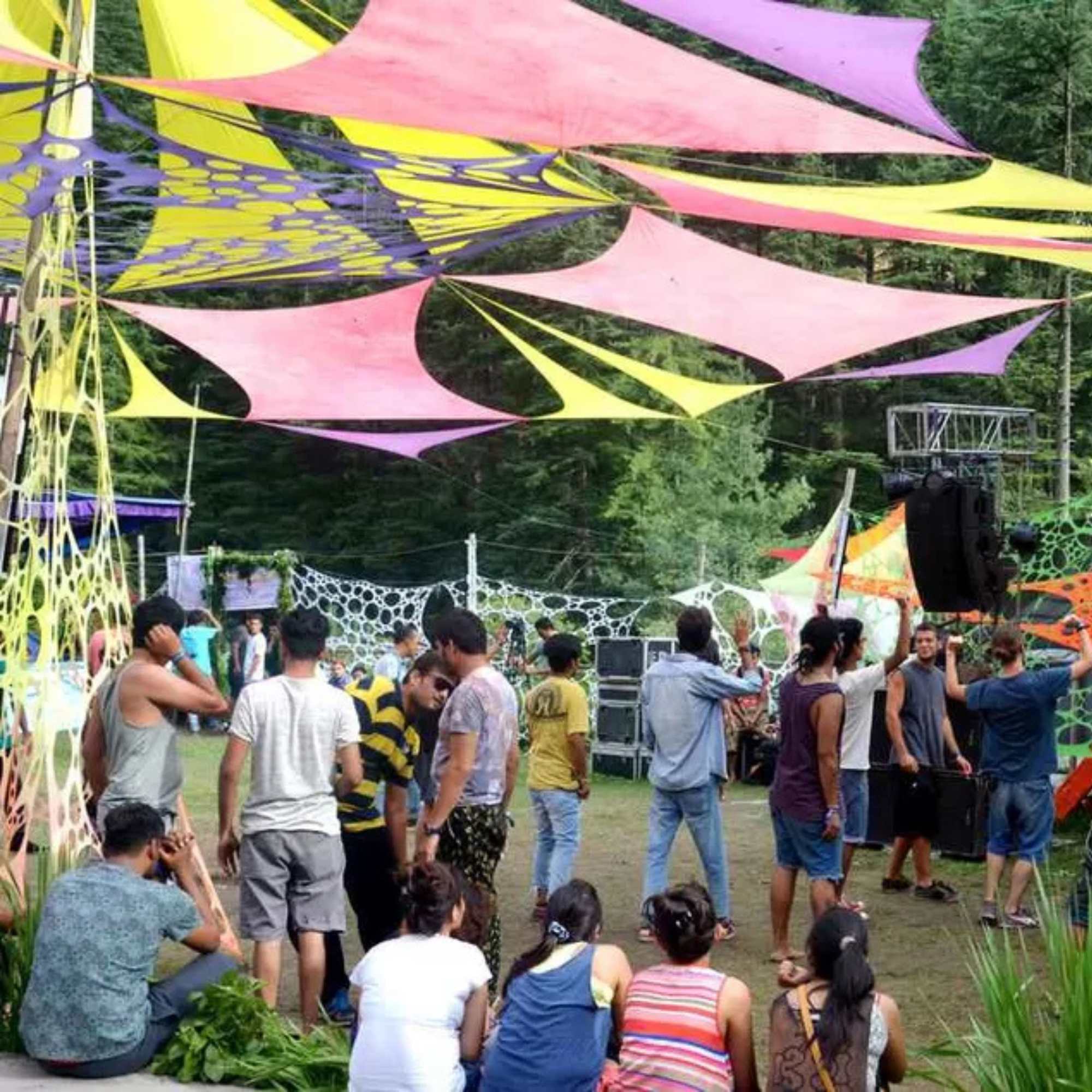
The good news is that the best parts of Kasol in July do not need clear skies or dry trails.
Café hopping is the heart of a July trip. The cafés along the main lane and across the river stay open through monsoon, and a rainy afternoon with hot food and a valley view is exactly what this month is for.
Kasol market
The Kasol market is small and easy to wander. You get Israeli food, local woollens, trinkets, and bakeries, all within a short walk. It is more fun when the rain has thinned the crowds.
Manikaran Sahib
Manikaran Sahib is a short trip from Kasol and worth doing in any weather. The gurudwara has natural hot springs and a free community kitchen, and the steam rising in the cold air is a sight on its own. Cover your head, respect the space, and it makes for a calm half day.
For safe viewpoints and photography, you do not need to go far. The bridge over the Parvati, the forest edges, and the slopes around town all look their best when the mist sits low.
Chalal
The Chalal walk is lovely, but only do it if the trail is dry. It is a short riverside path, and in heavy rain those riverside sections are exactly where you do not want to be.
Beyond that, slow stays are the point. Pick a place with a balcony or a warm common room, and let yourself do nothing. That is the version of Kasol that July does best.
One honest warning. Whatever you do, keep away from the riverbanks during heavy rain. The river is the main attraction and the main danger here, and people forget that when they are chasing a photo.
One thing you can skip
You do not need to pay for an organised day tour to see Kasol itself. The town is tiny and everything worth seeing is within an easy walk or a short shared cab ride to Manikaran.
Spend that money on a better stay or a few more café meals instead. July already gives you cheaper rooms than peak season, so a small upgrade often costs less than you expect. Book the room you actually want a little ahead, since the good places still fill up on weekends even in monsoon.
Suggested 3 Day Kasol Itinerary for July
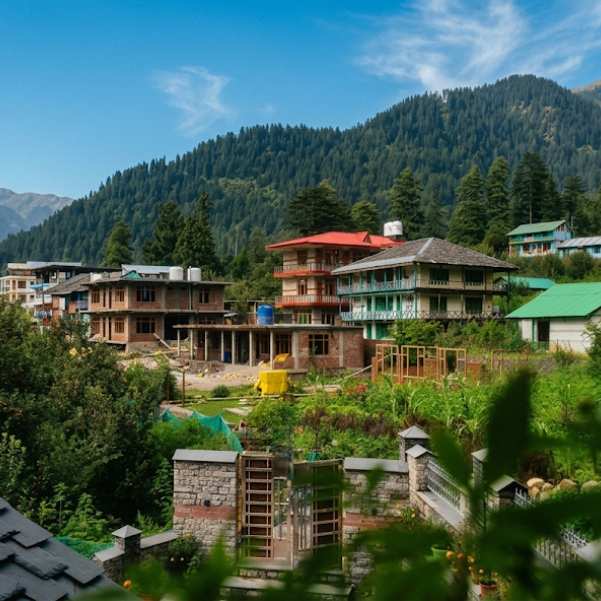
This is built loose on purpose. In monsoon, a rigid plan is a broken plan.
Day 1: Arrive, settle in, and go slow
Reach Kasol, check in, and do not plan anything risky for the evening. If you arrive late, stay put.
Spend the rest of the day on the cafés and the local market. Get your bearings, find a place you like for breakfast, and let your body adjust to the altitude and the cool air.
Avoid any late evening travel out of town. Night driving on these roads in July is the easiest way to ruin a trip.
Day 2: Manikaran and Chalal, weather permitting
If the morning is clear, head to Manikaran Sahib for the hot springs and the langar, then come back and do the short Chalal walk if the trail is dry.
If it is raining hard, flip to plan B without stress. A long café morning, a book, and an early lazy lunch is a perfectly good monsoon day in Kasol.
This is the whole skill of July travel here. You hold the plan loosely and let the weather pick the day.
Day 3: Buffer morning and an early exit
Keep the last morning open. A relaxed breakfast, a final walk, and then leave early.
The buffer matters because monsoon delays are common. If a landslide or a slow stretch held you up on day one or two, this morning absorbs it. If everything went smoothly, you simply get a calm send off instead of a rushed one.
If you are extending towards Manali after this, our Manali packages cover the onward stays and transport so you are not scrambling at the last minute.
What to Pack for Kasol in July

Pack for rain first, everything else second.
A proper rain jacket is the one thing you cannot skip. Carry waterproof shoes too, because wet trails and wet lanes are a given. Throw in quick dry clothes and at least one or two spare pairs of socks, since dry socks become gold in monsoon.
Bring your regular medicines plus a small kit for headaches, stomach trouble, and basic first aid. A power bank is useful because power can be patchy, and keep some cash on you since not every small place takes cards or works on a weak network.
Download offline maps before you arrive, and carry a waterproof phone pouch so you can still shoot photos in the drizzle without killing your phone.
One small tip from us. Skip the trolley bag if you are staying in the lanes or near the riverside. The streets are uneven and often wet, and a backpack or duffel is far easier to carry over those stretches.
Who Should Avoid Kasol in July?
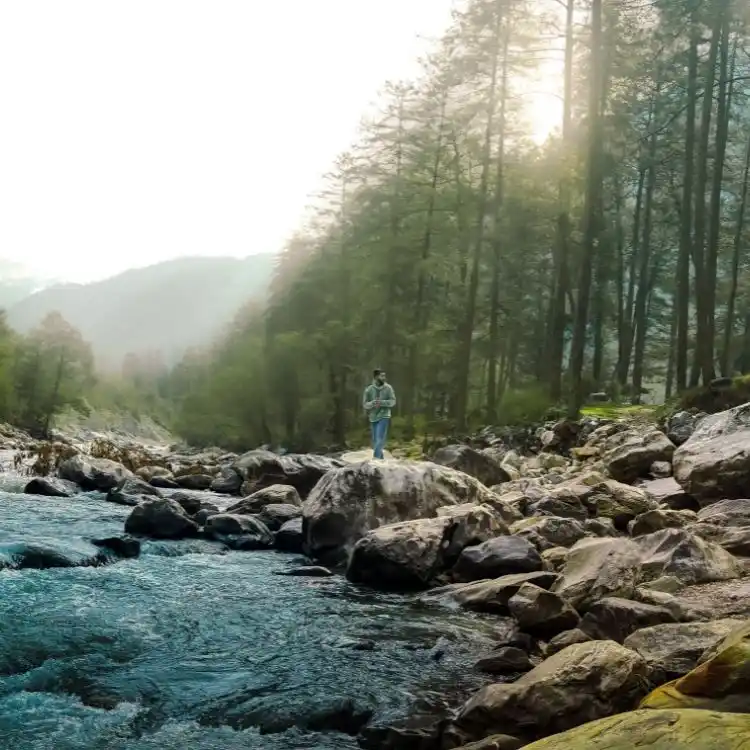
July is not for everyone, and being honest about this saves people a lot of misery.
Avoid Kasol in July if you have a fixed flight the next morning. The road can delay you for hours, and there is no way to promise you will make it back on time.
Skip it if you are a first time hill driver. Narrow, wet, landslide prone roads are not the place to learn. Hire an experienced driver or join a trip instead.
It is also not the month if your whole trip is built around trekking. Wet trails make the big treks a gamble, and you may travel all the way here only to have Kheerganga ruled out.
Families with very small kids should be cautious during rain alerts, and anyone who gets stressed by delays will not enjoy the monsoon pace. If a two hour wait at a roadblock would ruin your mood, July is not your month.
Better Alternatives to Kasol in July
If the monsoon risk feels like too much, you have good options, though monsoon caution applies to every hill destination.
Jibhi and Tirthan
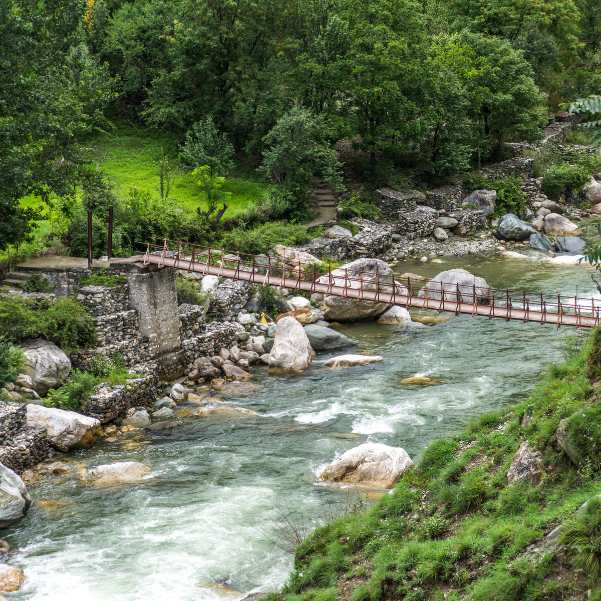
Jibhi and Tirthan are the best swap for a slow nature stay. They are quieter, greener, and a little gentler on the nerves than Parvati Valley in the rains. Our Jibhi Tirthan Valley page lays out the stays and the vibe.
Shimla
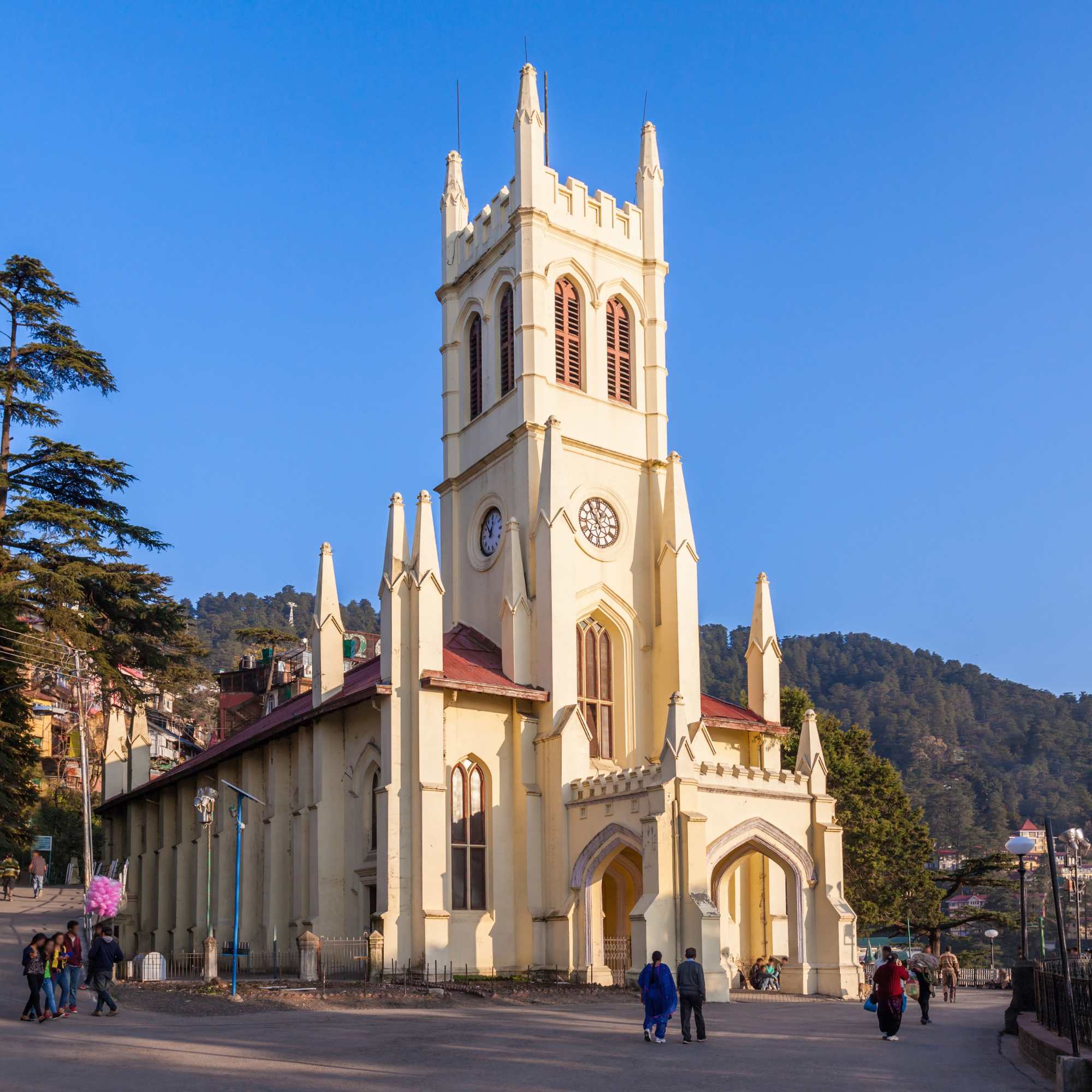
Shimla is the easier access pick. It is better connected, has more infrastructure, and you are not betting your trip on one fragile road. See our Shimla packages if you want a low stress base.
Dharamshala

Dharamshala works if you want cafés and culture rather than treks. It has a different rhythm, more variety, and plenty to do indoors when it rains, which we covered in our Dharamshala McLeodganj guide.
Manali
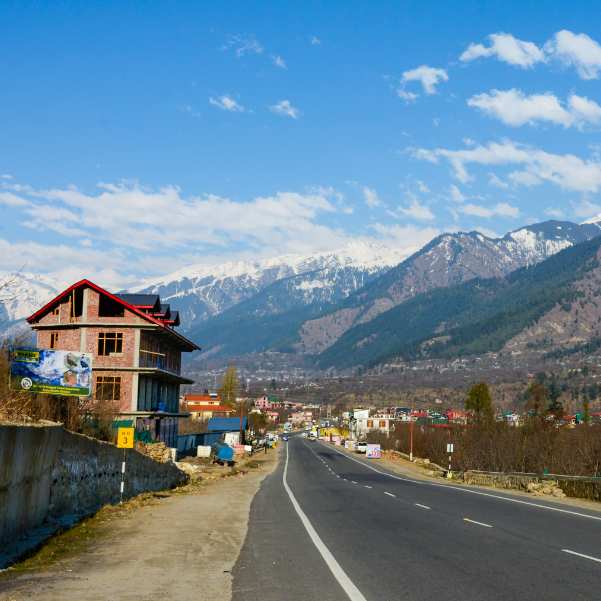
Manali is the choice for better infrastructure and more backup options. There is simply more to fall back on there if the weather closes a route.
Final Verdict: Should You Book Kasol in July 2026?
Here is the straight answer.
Book Kasol in July if you have flexible dates, you want a slow monsoon escape, and you are willing to check road and weather updates before you move. That traveller will love the green, the quiet, and the soft rainy mood.
Do not book it if your trip depends on treks, clear mountain views, or a strict return schedule. The risk of disappointment is just too high in monsoon.
We are based in Himachal, and we drive these roads every season. Before you lock anything, we can check the practical conditions for your exact dates and tell you honestly whether July makes sense or whether you should shift the plan.
👉 Want an honest opinion on your July plan? Chat with our team on WhatsApp.
Explore Our Curated Kasol Tour Packages
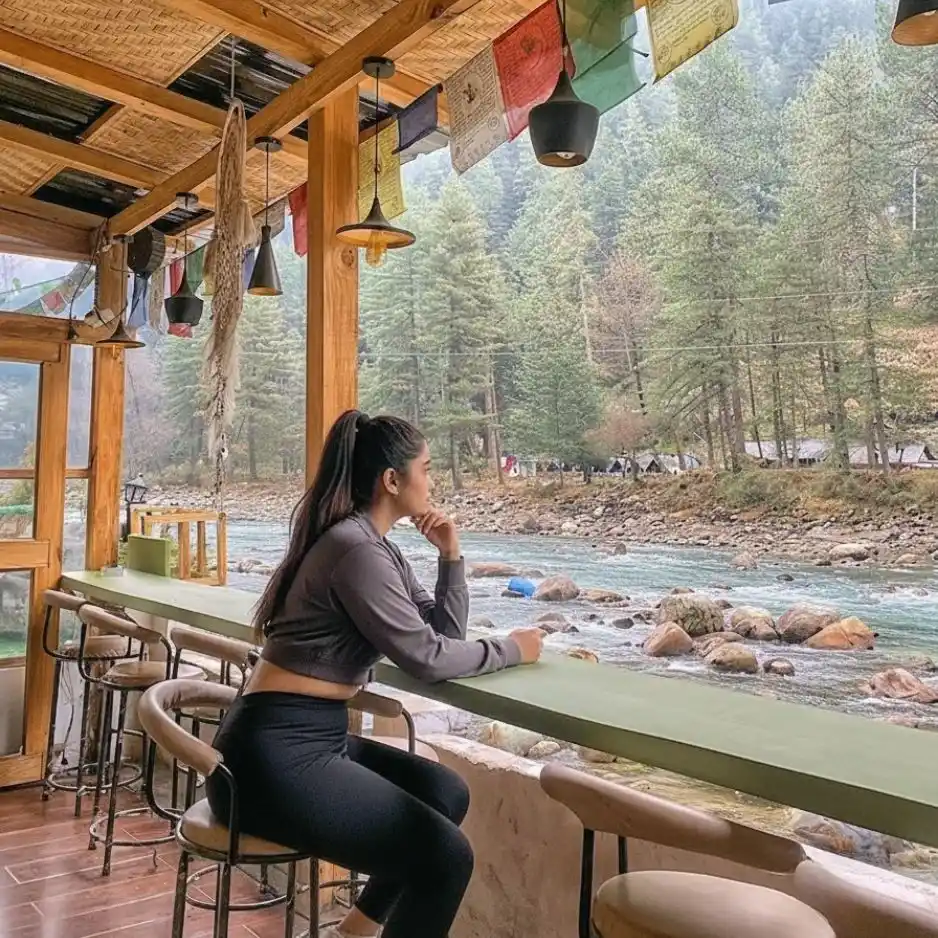 4D/3N
4D/3NPerfect Manikaran Kasol Tosh Weekend Getaway
1D Delhi•2D Kasol+1
₹15,999₹19,999SAVE ₹4,000/ person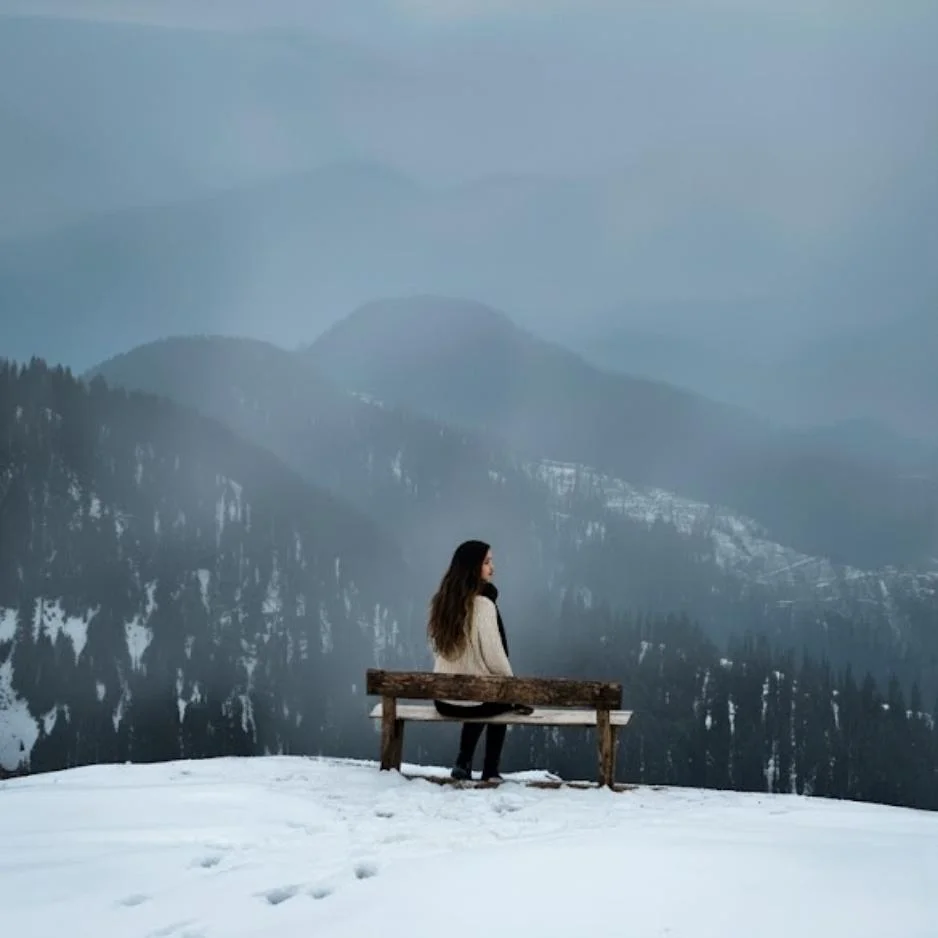 7D/6N
7D/6NManali Kasol Jibhi Valley Trip
1D Delhi•2D Manali+3
₹25,799₹32,999SAVE ₹7,200/ person 8D/7N
8D/7NManali Kasol Bir Himalayan Explorer
1D Delhi•2D Bir+3
₹21,999₹27,999SAVE ₹6,000/ person
Related topics
Frequently Asked Questions
Is Kasol safe in July?
The town is mostly fine, but the roads and trails carry monsoon risk. Avoid night driving, stay away from riverbanks in heavy rain, and check conditions before any trek.
Is July good for Kasol?
It is good for slow travellers, café lovers, and photographers who enjoy misty green views and small crowds. It is not good for trek heavy or fixed date trips.
Does it rain a lot in Kasol in July?
Yes, July is monsoon. Sources differ on the exact figures, with one listing as much as 472 mm of rain and another listing 26 rain days, so expect frequent showers.
Are Kasol roads open in July?
The road from Bhuntar to Manikaran usually stays open, but it is narrow and landslide prone, and the 2026 district order regulates heavy vehicles on it. Expect possible delays.
Is Kheerganga trek safe in July?
Only if the weather and trail are confirmed okay on that day. Wet conditions make it risky, so check locally and do not attempt it blindly.
Can I visit Tosh in July?
You can, but use caution. The Manikaran to Barshaini road that leads that way had a landslide reported in early 2026 and is prone to frequent slides and shooting stones.
Is Manikaran open in July?
Yes, Manikaran is one of the more realistic July outings from Kasol, only about 3.5 km away. The gurudwara and hot springs stay open through the rains.
How many days are enough for Kasol in July?
Three days work well, with one kept as a buffer for monsoon delays. That gives you cafés, Manikaran, and a relaxed pace without rushing.
What clothes should I carry for Kasol in July?
A rain jacket, waterproof shoes, quick dry clothes, spare socks, and warm layers for cold evenings. Pack for a mild afternoon and a cold wet night in the same day.
Is Kasol safe for solo travellers in July?
The town is solo friendly and easygoing, but the monsoon rules still apply. Avoid night travel and solo treks on wet trails, and tell someone your plan since the network is patchy.
Is Kasol better in July or September?
July gives you green, misty, quiet, and cheaper. September gives you clear skies, better views, and safer treks. If clear views matter most, September wins.
Should I book hotels in advance for July?
It helps, especially for a place you actually want. Online prices swing wildly, with one listing showing anything from ₹488 to ₹89,600 per night, so booking ahead locks in a fair rate.
More about Kasol
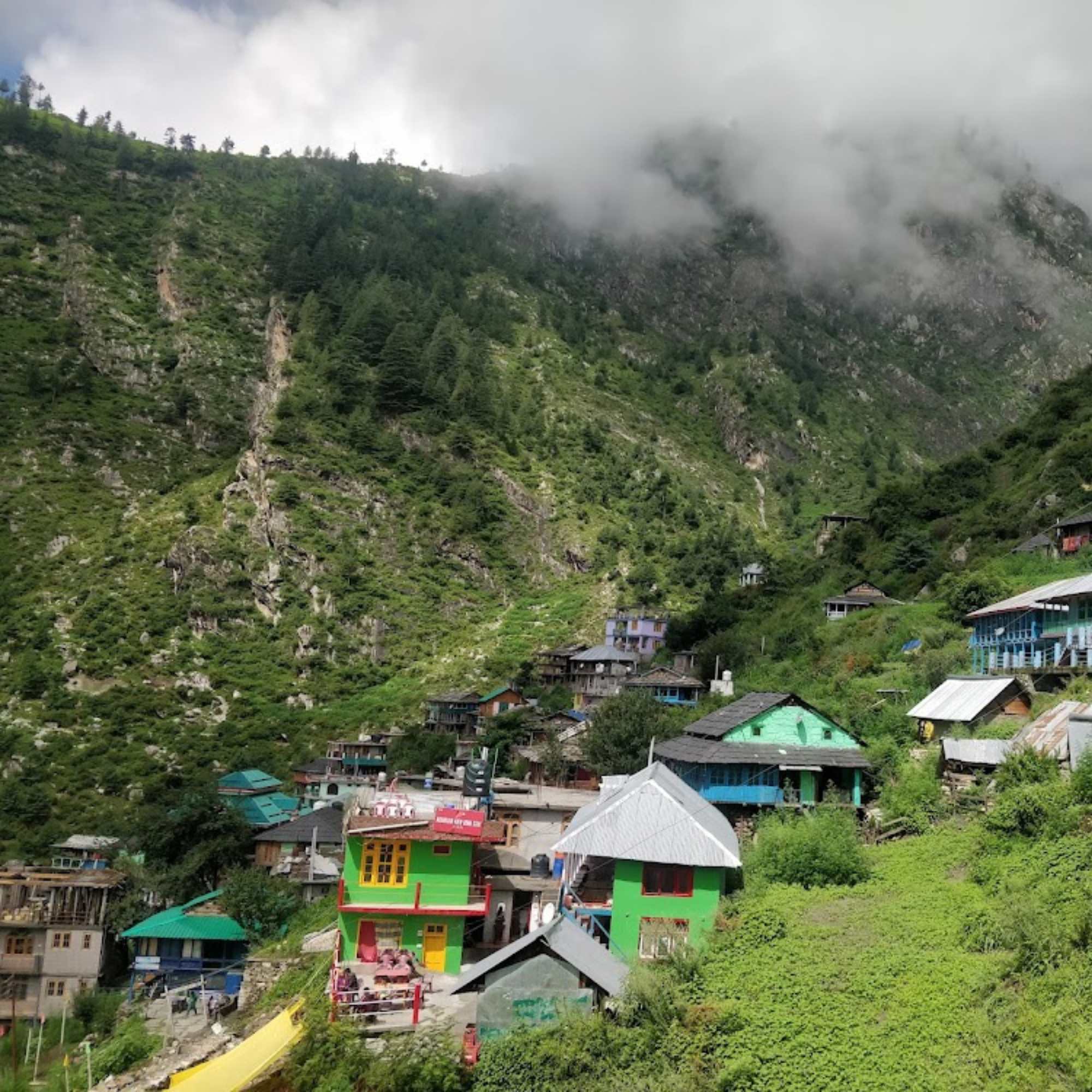 Kasol
KasolBest Offbeat Places Near Kasol Most Tourists Miss in 2026
Escape the crowds and discover the hidden side of Kasol in 2026. From peaceful villages and untouched valleys to scenic trails and secret viewpoints, these offbeat places near Kasol offer authentic Himalayan experiences that most tourists completely miss.
- Places to Visit
- Things to Do
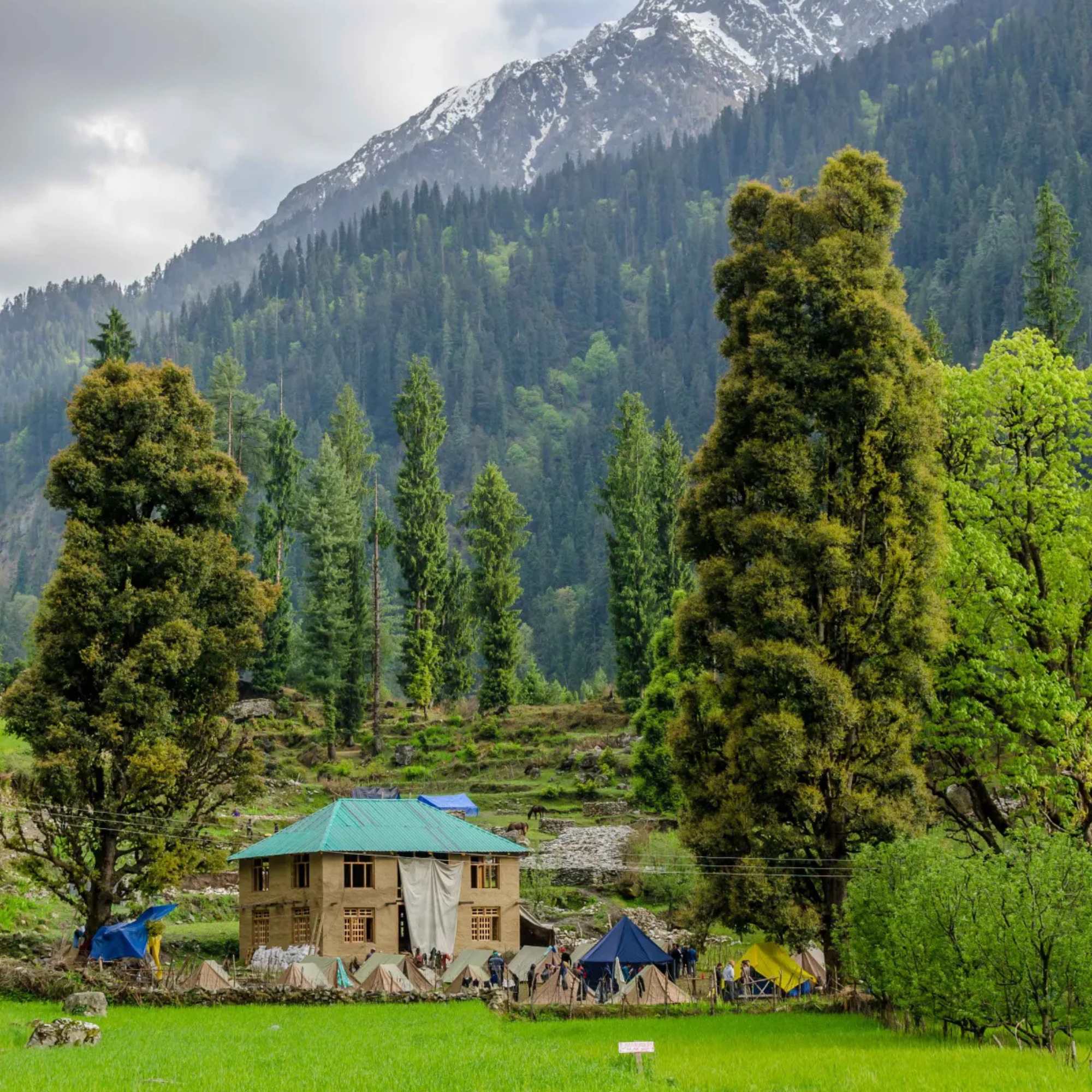 Kasol
KasolRasol Village Trek From Kasol 2026: Route, Distance & What to Expect
Planning the Rasol Village Trek from Kasol in 2026? Explore the complete trekking route, distance, difficulty level, stay options, and essential travel tips to experience one of Parvati Valley’s most peaceful and offbeat Himalayan villages.
- Things to Do
 Kasol
KasolKalga, Pulga & Tulga Villages in 2026: The Offbeat Side of Parvati Valley
A Himachal Pradesh travel expert or experienced Parvati Valley trek guide with firsthand knowledge of Kalga, Pulga, and Tulga. The content should provide practical insights on trekking routes, homestays, local culture, seasonal travel, and hidden attractions, helping readers plan an authentic offbeat Himalayan experience with confidence.
- Places to Visit