
How to Avoid Altitude Sickness in Spiti Valley: A Practical Acclimatisation Guide for First Time Travellers

Most people who get sick in Spiti are not unfit. They simply climb too high, too fast, without giving their body time to adjust. In this guide, you will learn how to avoid altitude sickness in Spiti through better route planning, acclimatisation, symptom awareness, and safe travel decisions.
The Real Reason People Get Sick in Spiti
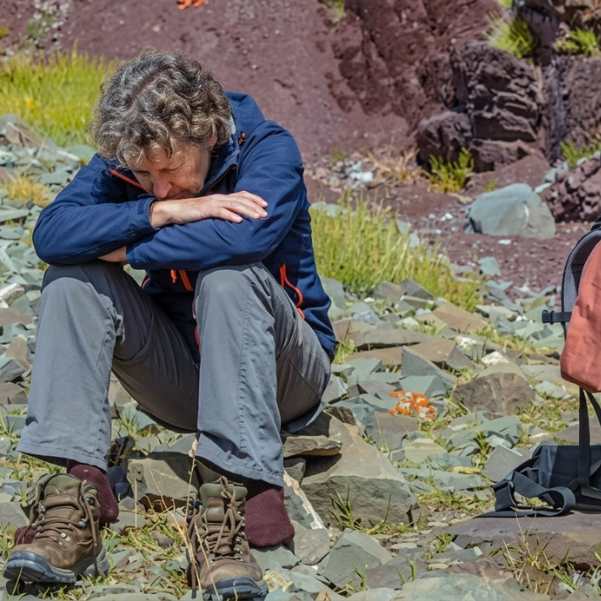
Most people who fall ill in Spiti are not unhealthy. They are not unfit. They are not reckless.
They simply went too high, too fast, without giving their body enough time to adjust. That is the honest truth about altitude sickness in Spiti.
Spiti Valley sits between 3,000 and 4,500 metres above sea level. Kaza, the main town, is already at roughly 3,650 metres.
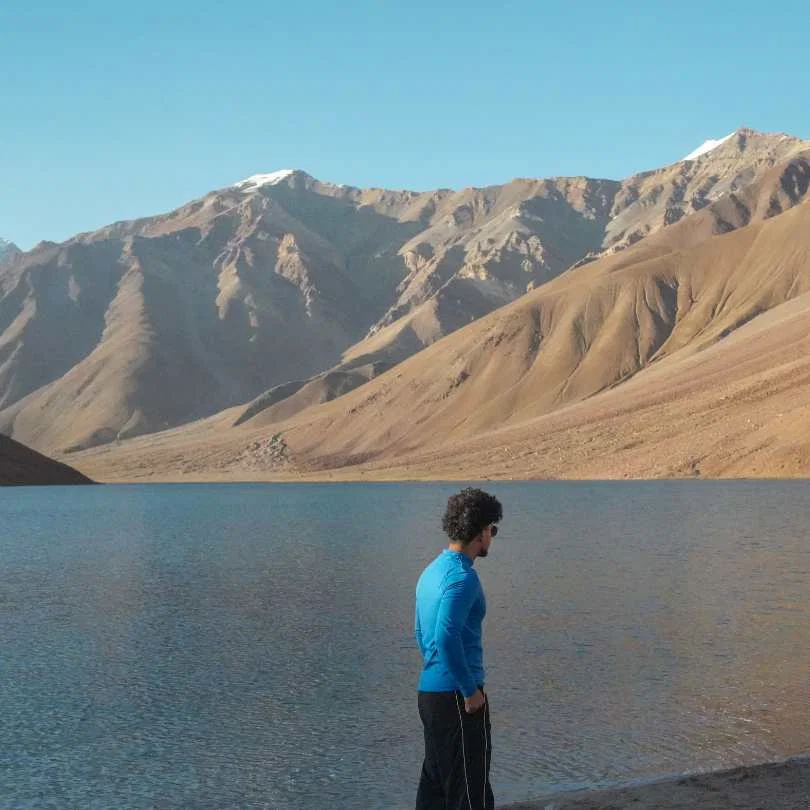
Villages like Hikkim and Komic push past 4,200 metres. Chandratal Lake sits at around 4,300 metres.
For someone arriving from Delhi, Chandigarh, or Mumbai, this is a dramatic shift. And if you compress the journey into too few days or pick a route that climbs too steeply, your body will let you know.
This guide is written from years of on-ground experience in Spiti. No vague medical theory. No fear mongering. Just route logic, halt planning, symptom awareness, and real decisions that help you travel safely.
Quick Answer: How Do You Avoid Altitude Sickness in Spiti?
If you are in a hurry, here is the short version.
Choose the Shimla to Kinnaur entry route if this is your first time. Plan at least 7 to 9 days for the full trip. Spend a night at a lower altitude like Narkanda or Sarahan before climbing higher.
Reach Kaza gradually over 3 to 4 days. Stay hydrated. Rest on your first day in Kaza. Do not rush to Chandratal or the highest villages on your first full day. If symptoms worsen, descend.
Now let us get into the details.
What Altitude Sickness Feels Like in Spiti
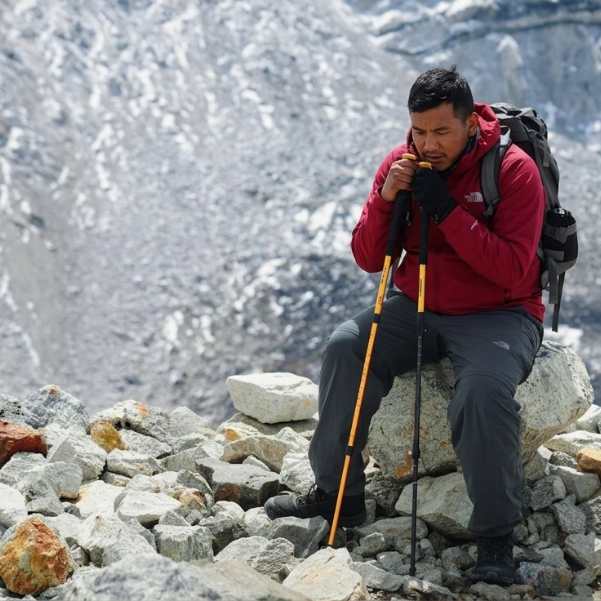
Altitude sickness, also called Acute Mountain Sickness or AMS, is your body reacting to lower oxygen and air pressure at high elevation. It is not a disease. It is a physiological response.
In Spiti, it usually shows up within the first 6 to 24 hours of reaching a high point, especially if you have driven up quickly.
Mild Symptoms
- A dull, persistent headache that does not go away with rest
- Feeling unusually tired or weak
- Mild nausea or loss of appetite
- Disturbed sleep or difficulty falling asleep
- Slight dizziness when standing up
These are common and usually manageable if you rest, hydrate, and avoid going higher until you feel better.
Danger Signs
- A headache that gets significantly worse despite rest and hydration
- Repeated vomiting
- Breathlessness even while sitting still
- Confusion or difficulty thinking clearly
- Loss of coordination or trouble walking straight
- A worsening, persistent cough
- Chest tightness
If any of these develop, stop ascending. Move to a lower altitude as soon as possible. These can indicate High Altitude Pulmonary Edema (HAPE) or High Altitude Cerebral Edema (HACE), both of which are medical emergencies.
Why Spiti Is Different from a Normal Hill Station Trip
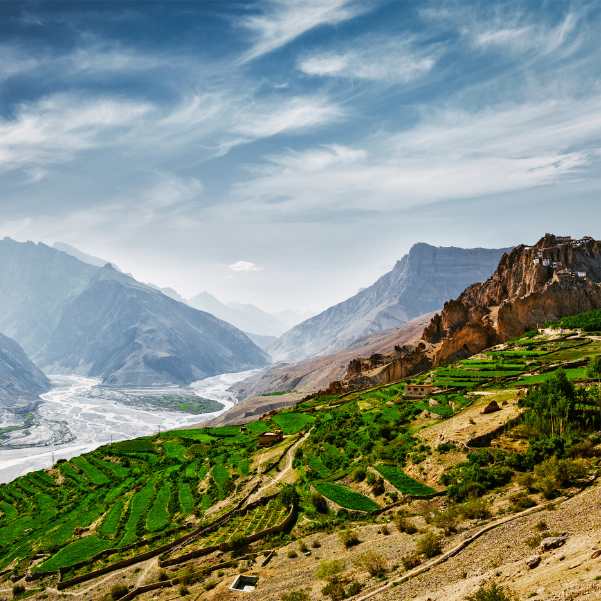
Shimla sits at around 2,200 metres. Manali at about 2,050 metres. These are comfortable altitudes where your body does not need to work much harder than it does at sea level.
Spiti is a different world. Kaza is nearly 1,500 metres higher than Shimla. Chandratal is over 2,000 metres higher than Manali.
That kind of altitude gain, especially when compressed into a day or two of driving, is what catches people off guard.
Spiti is also remote. Medical facilities are limited. Oxygen availability is not guaranteed everywhere. If something goes wrong at Chandratal or in the upper Pin Valley, evacuation takes time.
This is not meant to scare you. It is meant to help you plan smarter.
The Single Biggest Mistake Travellers Make
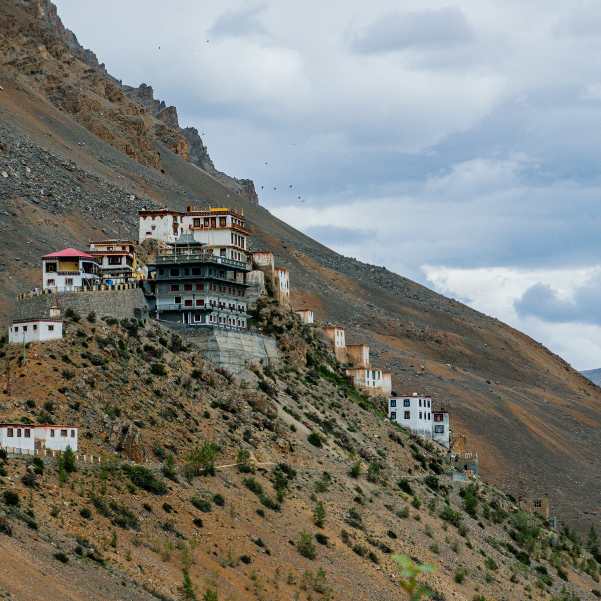
The number one mistake is treating Spiti like a weekend road trip.
People fly into Manali, hop into a car, drive over the Rohtang and Kunzum passes, and reach Kaza the same day.
That is a climb from roughly 2,000 metres to over 4,500 metres (at Kunzum) and back down to 3,650 metres, all in one go.
By the time they reach Kaza, they already have a pounding headache. The next morning, someone in the group insists on visiting Hikkim or Komic. By evening, someone is vomiting.
This happens more often than you would think. And it almost always comes down to one problem: not enough acclimatisation time built into the plan.
Shimla vs Manali Route: Which One Is Safer for Acclimatisation?
This is one of the most important decisions you will make for your Spiti trip.
The Shimla to Kinnaur Route (Recommended for First Timers)
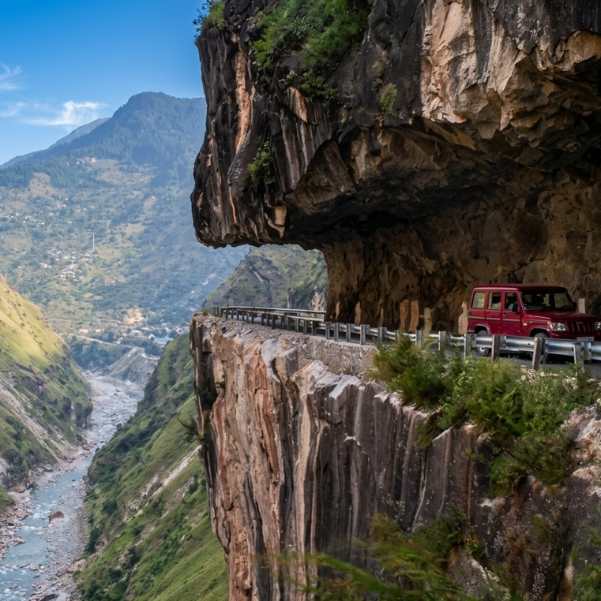
This route enters Spiti through Shimla, Narkanda, Rampur, Sarahan, Sangla, Kalpa, and then climbs through Nako, Tabo, and finally Kaza.
The altitude gain is gradual. You spend your initial nights between 2,400 and 2,900 metres before crossing into the Spiti side at around 3,100 metres. By the time you reach Kaza, your body has had 3 to 4 days of slow adjustment.
This is the route we almost always recommend for first time Spiti travellers. It gives your body the best chance to acclimatise naturally.
If you are planning to travel in the earlier part of the season, our guide on visiting Spiti Valley in April covers what to expect on this route.
The Manali Route
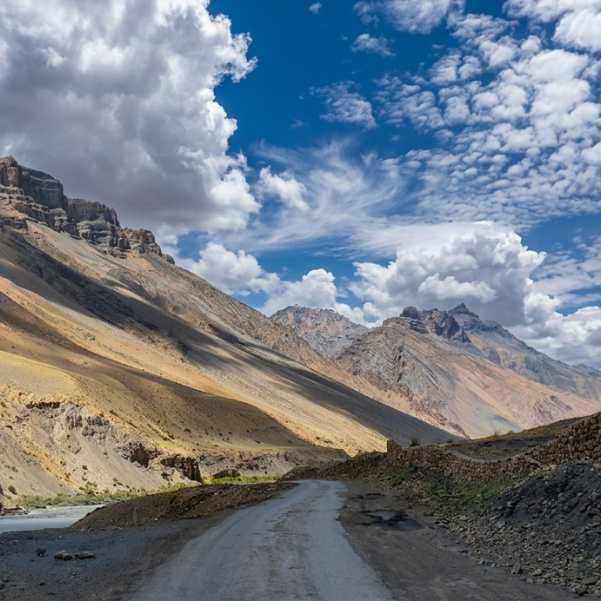
The Manali to Kaza route goes over Rohtang Pass (around 3,978 metres) and Kunzum Pass (around 4,590 metres) before dropping into Kaza. The altitude change is dramatic and happens within a single day of driving.
This route is stunning, no question. But for acclimatisation, it is risky if you have not spent time at altitude before reaching it.
If you do take this route, consider spending a night at a midway point like Sissu or Batal (though options are limited there) instead of pushing all the way to Kaza in one go.
For travellers interested in timing, our article on Kunzum Pass in May has useful information on road conditions.
The safest plan for most people: enter via Shimla, exit via Manali. By the time you drive out over Kunzum, your body has already spent several days at altitude.
The Safest Acclimatisation Ladder for a First Time Spiti Trip
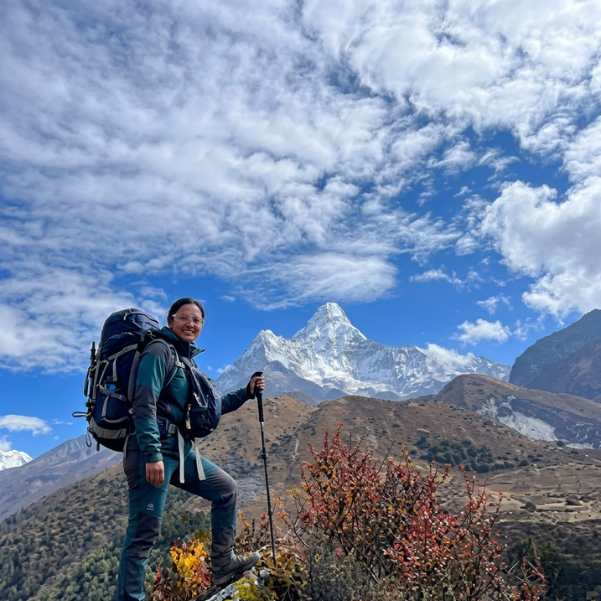
Think of acclimatisation as a ladder. Each night, you sleep slightly higher than the last. You give your body time at each step before climbing the next.
Here is a route logic that works well for most first time travellers entering via Shimla:
Night 1:
Narkanda or Sarahan (approx. 2,400 to 2,700 metres) A comfortable first stop. Sarahan, with the Bhimakali Temple, is a great place to ease into the mountains.
Night 2:
Kalpa or Sangla (approx. 2,700 to 2,960 metres) A slight altitude gain with a relaxed day. The Kinnaur Valley is beautiful and the air is still comfortable.
Night 3:
Tabo (approx. 3,050 metres) You have now crossed into Spiti. Tabo is one of the lower towns in the valley, making it a smart overnight stop before Kaza.
Night 4:
Kaza (approx. 3,650 metres) Take it easy on your first day. Walk around slowly. Drink plenty of water. Eat light. Do not rush to the higher villages.
Night 5 onward:
Higher villages and exploration Once you have spent a full day and night in Kaza without problems, you can visit Hikkim, Langza, Komic, and the Key Monastery area. Watch how you feel. If your headache returns at altitude, come back down to Kaza and rest.
Chandratal: Only after adequate acclimatisation Chandratal Lake should ideally come after you have spent at least 2 to 3 comfortable nights at or above 3,600 metres. We cover this in more detail below.
This is not a rigid itinerary. It is a framework for thinking about altitude gain wisely. You can adjust the stops, add rest days, or slow down further based on how you feel.
Explore Our Curated Spiti Valley Packages
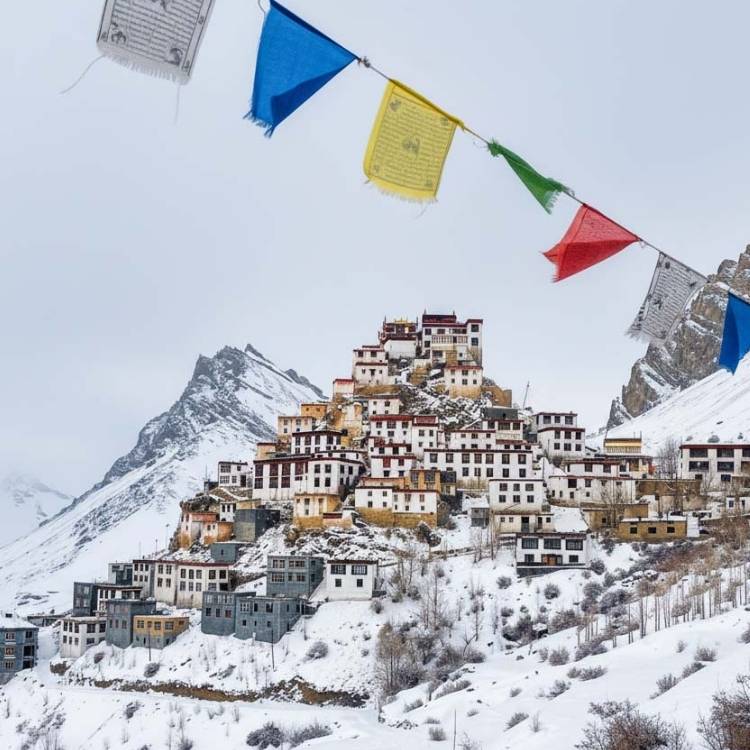 6D/5N
6D/5NCore Winter Spiti Trip
2D Kalpa•2D Kaza
₹15,999₹19,999SAVE ₹4,000/ person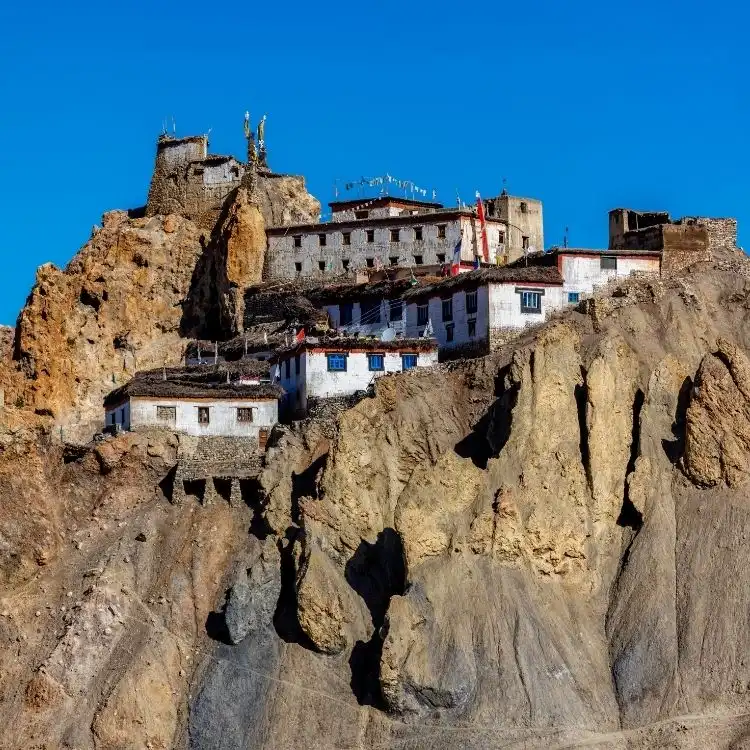 Group Tour10D/9N
Full Spiti Valley Circuit With Chandratal
1D Narkanda•1D Sangla+5
₹29,999₹32,999SAVE ₹3,000/ person Group Tour9D/8N
Best Selling Winter Spiti Valley Group Tour
2D Sangla•1D Tabo+2
₹18,999₹27,999SAVE ₹9,000/ person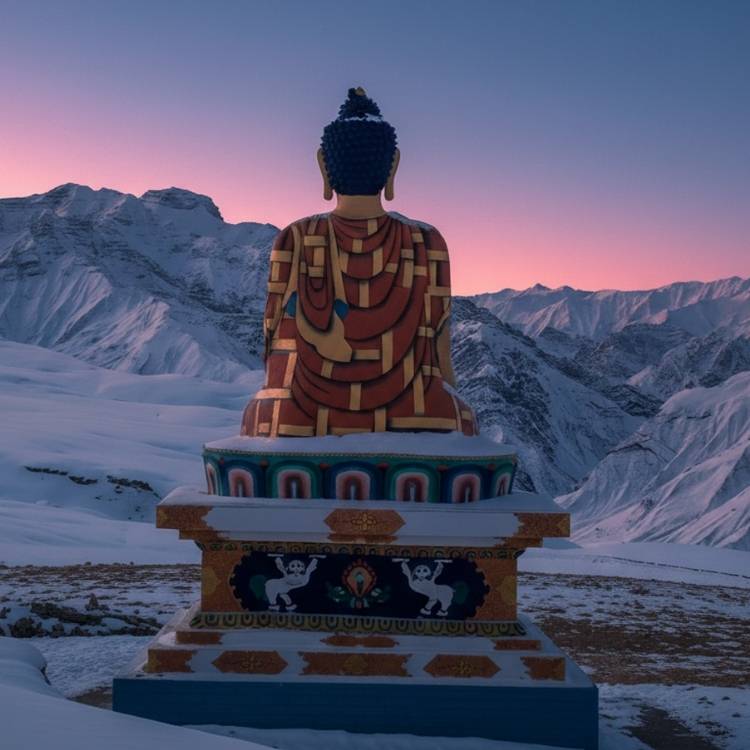 9D/8N
9D/8NWinter Spiti Circuit
2D Sangla•1D Nako+2
₹26,999₹32,999SAVE ₹6,000/ person 7D/6N
7D/6NCore Winter Spiti Circuit
1D Narkanda•2D Kalpa+2
₹17,999₹21,999SAVE ₹4,000/ person
Practical Tips to Avoid Altitude Sickness in Spiti
Here are some straightforward things that help.
- Hydrate consistently. Drink 3 to 4 litres of water a day. Your body loses more water at altitude through breathing and evaporation. Carry a bottle and sip regularly.
- Eat light but eat enough. Carbohydrate-rich meals are easier for your body to process at altitude. Do not skip meals.
- Avoid alcohol completely during the first 2 to 3 days at altitude. Alcohol dehydrates you and masks early symptoms.
- Sleep low when possible. If you are visiting a high village during the day, try to return to a lower base camp or Kaza for the night.
- Do not over-exert on day one. Resist the urge to explore everything the moment you arrive in Kaza. Walk slowly. Rest often.
- Pay attention to your body. If you have a headache, do not push through it. Rest. If it gets worse, do not go higher.
- Carry basic medication. Paracetamol for headaches, an anti-nausea medicine, and ORS sachets can be genuinely helpful for mild symptoms.
- Dress warmly, especially at night. Cold temperatures at altitude can add stress to your body.
A Careful Word on Diamox for Spiti
Diamox (acetazolamide) is commonly discussed among travellers heading to high altitude destinations like Spiti. It is a prescription medicine that can help the body adjust to altitude faster by altering how you process carbon dioxide.
Some travellers take it as a preventive measure, starting a day or two before reaching high altitude. Others carry it as a backup.
Our position is simple: talk to your doctor before taking Diamox. It is not a casual supplement. It has side effects, including tingling in the fingers, increased urination, and altered taste.
It is also not suitable for everyone, especially people with certain kidney conditions or sulfa drug allergies.
More importantly, Diamox is not a substitute for proper acclimatisation. No medicine can replace the benefit of going up slowly and giving your body the time it needs.
If your doctor recommends it for your trip, follow their guidance on dosage and timing. Do not take it based on a friend's advice or an internet forum alone.
What to Do If Symptoms Start During Your Trip
If you or someone in your group starts showing signs of altitude sickness, here is what to do.
For mild symptoms (headache, nausea, fatigue): Stop ascending. Rest where you are. Hydrate. Take paracetamol for the headache if needed. Monitor over a few hours. If symptoms ease, stay at the same altitude for another full day before going higher.
For worsening symptoms (vomiting, severe headache, breathlessness at rest): Descend immediately. Even dropping 300 to 500 metres can make a significant difference. Do not wait to see if it gets better on its own.
For serious symptoms (confusion, loss of coordination, chest tightness, persistent cough): This is a medical emergency. Descend as fast as safely possible. Seek medical help. If oxygen is available, use it. Alert your travel operator or local contacts immediately.
The golden rule is simple: if in doubt, go lower.
Who Needs Extra Caution?
First Time High Altitude Travellers
If you have never been above 3,000 metres before, treat your first Spiti trip with extra respect. Give yourself more days, not fewer.
Children
Kids can get altitude sickness just like adults but are often less able to describe what they are feeling. Watch for unusual irritability, loss of appetite, or excessive sleepiness. If travelling with young children, the Shimla route is strongly recommended, with generous rest days.
Older Travellers
Age itself is not a barrier, but pre-existing conditions like heart disease or respiratory issues require a conversation with your doctor before planning a Spiti trip.
People with Asthma or Blood Pressure Concerns
Asthma can be aggravated at altitude due to cold, dry air. Carry your inhalers and any prescribed medication. If you have blood pressure issues, consult your physician about the effect of altitude on your condition before you travel.
Fit and Active Travellers
This is worth emphasising: physical fitness does not protect you from AMS. In fact, fit travellers sometimes push harder and ignore early symptoms because they feel they should be fine. Altitude affects everyone differently, regardless of how many kilometres you run at sea level.
Is Chandratal Safe Without Proper Acclimatisation?
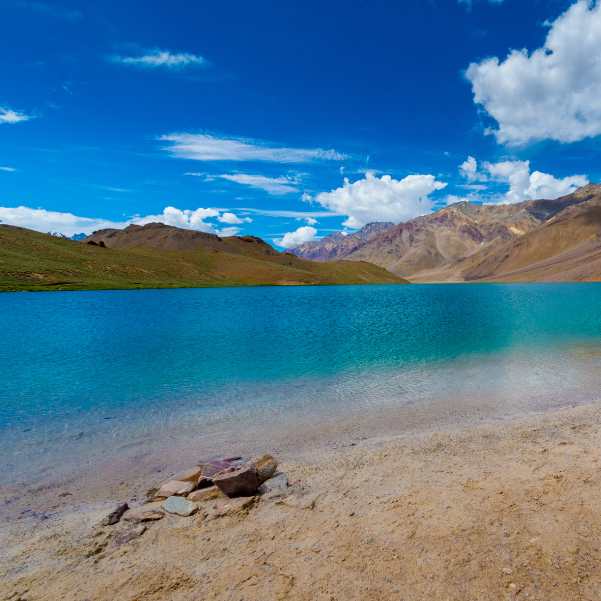
Chandratal Lake is one of the most beautiful spots in Spiti, sitting at roughly 4,300 metres. It is also one of the most common places where travellers run into trouble.
The problem is not the lake itself. The problem is when people visit it.
Many itineraries place Chandratal on the first or second day after arriving in Kaza, or worse, as a stop on the way from Manali before the body has had any time to adjust. At 4,300 metres, with cold winds, limited shelter, and no medical support nearby, this is a risky move.
Our recommendation: visit Chandratal only after you have spent at least 2 to 3 comfortable nights in Kaza and feel well. If you are exiting via Manali, Chandratal works well as one of your last stops when your body is already acclimatised.
For more on timing and conditions, our guide on when Chandratal opens and the best time to visit is a useful read.
What We Advise at Travel Coffee
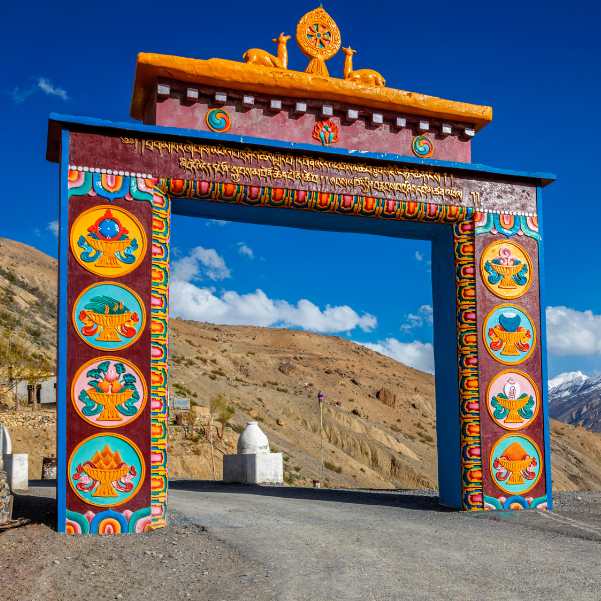
At Travel Coffee, we have been organising Spiti trips for years. We have seen what works and what does not.
We usually advise first time travellers to take the Shimla route in and Manali route out. We build rest days into our Spiti itineraries because we have seen how much of a difference even one extra day at a moderate altitude can make.
We always brief our travellers on what to watch for. We carry basic medical supplies including ORS, paracetamol, and a portable pulse oximeter on group trips. Our drivers and trip leaders know when to suggest an extra stop or a slower pace.
We do not rush our Spiti itineraries because the valley rewards those who take their time. If you want to see Spiti at a pace that is safe and enjoyable, our Spiti Valley packages are planned with acclimatisation built in from the start.
If you are a solo traveller wondering about the logistics, our article on whether Spiti is safe for solo female travellers covers that in detail.
Plan Smart, Travel Safe
Spiti Valley is one of the most extraordinary landscapes in India. Cold deserts, ancient monasteries, star-filled skies, and a silence you will not find anywhere else.
The goal of this guide is not to make you nervous about altitude. It is to help you make a few smart decisions about route, pace, and rest so that you can enjoy all of it without your body working against you.
Take the gradual route. Build in rest days. Listen to your body. And if something does not feel right, do not push through it.
If you would like help planning a Spiti trip that accounts for all of this, feel free to reach out to us at Travel Coffee. We are happy to help you figure out the right route and the right pace.
Reach out to Travel Coffee on WhatsApp if you’d like help planning a Spiti trip with the right route, pace, and acclimatization strategy for your travel style.
👉 Find the Right Spiti Valley Tour Package for Your Dates
Related topics
Frequently Asked Questions
How many days does it take to acclimatise in Spiti?
Most people need at least 2 to 3 days of gradual altitude gain before spending a full day in Kaza. A well-planned Spiti trip of 7 to 9 days via the Shimla route gives enough time for the body to adjust naturally.
Can you get altitude sickness in Kaza?
Yes. Kaza sits at approximately 3,650 metres, which is high enough to trigger AMS symptoms, especially if you have driven up quickly from a lower altitude without acclimatisation stops.
Is Diamox necessary for a Spiti trip?
Diamox is not necessary for everyone. It is a prescription medication that some travellers use as a preventive measure, but it should only be taken after consulting a doctor. Gradual ascent remains the most effective way to prevent altitude sickness.
Which route is better for acclimatisation, Shimla or Manali?
The Shimla to Kinnaur route is safer for acclimatisation because the altitude gain is gradual over several days. The Manali route crosses high passes quickly and does not give the body enough adjustment time, making it riskier for first time travellers.
Can fit people still get altitude sickness in Spiti?
Absolutely. AMS has no direct connection to physical fitness. Fit travellers sometimes push too hard and ignore early warning signs, making them just as vulnerable.
Is Chandratal risky for altitude sickness?
Chandratal Lake is at approximately 4,300 metres with limited shelter and no medical facilities nearby. Visiting it without proper acclimatisation is risky. It is best visited after 2 to 3 comfortable nights in Kaza.
What is the best thing to do if altitude sickness symptoms start?
Stop ascending immediately. Rest, hydrate, and monitor your condition. If symptoms worsen, descend to a lower altitude. For serious symptoms like confusion or breathlessness at rest, treat it as an emergency and descend right away while seeking medical help.
Are kids safe at high altitude in Spiti?
Children can travel to Spiti, but they are more vulnerable to altitude effects and less able to communicate symptoms. Travel via the Shimla route, plan generous rest days, and watch closely for signs of discomfort.
More about Lahaul and Spiti
 Lahaul and Spiti
Manali To Kaza Road Status 2026: Kunzum Pass, Batal & Gramphu Update
Is Manali to Kaza open today? August 2026 road status: the route is open and Chandratal camps are running, but the monsoon is active with orange alerts on the Chamba-Kangra-Mandi belt for Aug 10 to 11. Kunzum Pass, Gramphu-Batal, the 4x4 advisory question, vehicle advice, HRTC bus info, and safer route options.
- Road Status
 Lahaul and Spiti
Spiti Valley Road Status 2026: Open Routes, Closed Roads & Best Route Today
Is Spiti Valley open today? August 2026 road status: both routes are open and the full circuit is running, but the monsoon is active with orange alerts on the Chamba-Kangra-Mandi belt for Aug 10 to 11. Shimla-Kaza, Manali-Kaza via Kunzum, Chandratal, HRTC buses, permits, vehicle advice, and backup plans.
- Road Status
 Lahaul and Spiti
Chandratal Road Status 2026: Is Chandratal Lake Open Today?
Is Chandratal Lake open today? August 2026 road status: the lake is open and camps are running, but the monsoon is active with an orange alert on the western belt for Aug 10 to 11. Kunzum Pass, Batal diversion, camp updates, permits, entry fees, vehicle advice, and what to do if the road closes.
- Road Status