
Hazratbal Shrine Srinagar
The most revered Islamic shrine in Kashmir, built in white marble on the northern bank of Dal Lake. Hazratbal houses the Moi-e-Muqqadas, a relic believed to be a hair strand of Prophet Muhammad. Srinagar's most iconic and prominent white marble domed mosque, and one of the few places in the city where the architecture completely commands your attention against the lake backdrop. No entry fee. Courtyard and grounds open to all faiths.
- Holiest Islamic shrine in Kashmir
- Houses the Moi-e-Muqqadas (sacred hair relic)
- Northern shore of Dal Lake, Srinagar
- No entry fee, courtyard and grounds open to all faiths
- Srinagar's most iconic white marble domed mosque
- Inner prayer hall restricted for non Muslims
- 30 to 60 minutes to visit
- Relic displayed on key Islamic occasions
What makes it special
Hazratbal is not a tourist attraction in the usual sense. It is an active place of worship, the most important one in Kashmir, and it happens to also be one of the most striking buildings in Srinagar. The white marble dome and minaret sit right on the waterline of Dal Lake's northern bank, and when you see it from a shikara or from the road, it registers differently from the Mughal gardens or the old city mosques. It is quieter in intent, more serious in what it means to the people who come here.
The shrine houses the Moi-e-Muqqadas, a relic believed to be a hair strand of Prophet Muhammad. That single relic is the reason this place holds the weight it does. It arrived in Kashmir around 1700, brought from Bijapur in South India through a chain of custodians that involved a wealthy Kashmiri merchant named Khwaja Nur ud Din Eshai, a confrontation with Mughal Emperor Aurangzeb, and eventually Eshai's daughter Inayat Begum, who became the relic's custodian and established the shrine. The Banday family, her descendants, have been its guardians ever since.
The site itself is older than the relic. In 1623, Sadiq Khan, Shah Jahan's governor, built a pleasure house here called Ishrat Mahal. When Shah Jahan visited in 1634, he ordered it converted into a prayer hall. The relic was initially kept at Naqashband Sahib in the old city, but the crowds were unmanageable, so it was moved to this location, then known as Sadiqabad. The marble structure you see today was built between 1968 and 1979 under the supervision of the Muslim Auqaf Trust, led by Sheikh Mohammad Abdullah.
If you are visiting Srinagar as a tourist and your interest is primarily in gardens and shikara rides, Hazratbal is still worth the drive because the building is genuinely impressive and the lakeside setting is one of the best in the city. But understand that this is first and foremost a living shrine. Thousands of Kashmiri Muslims come here for Friday prayers every week. On special Islamic occasions, particularly Eid Milad un Nabi (the Prophet's birthday) and Shab e Meraj, the relic is displayed publicly and the crowds swell into the tens of thousands. If your visit lines up with one of these occasions, it is a powerful thing to witness, but expect dense crowds and plan accordingly.
For non Muslim visitors, the outer courtyard, the wider complex, and the beautiful lakeside grounds are all open and welcoming regardless of faith. You can walk freely through these areas, take in the architecture, and absorb the atmosphere. However, entry into the main inner prayer hall is restricted for non Muslims and tourists, especially during active prayer times. Women are generally allowed only in the front section of the mosque. Dress modestly, cover your head, remove your shoes, and be respectful. Photography is usually fine in the courtyard and grounds but not inside the prayer hall.
The grave of Sheikh Mohammad Abdullah, Kashmir's most prominent political leader of the twentieth century, is located in the Hazratbal area near the shrine, at Naseem Bagh on the western shore of Dal Lake. If you are interested in Kashmir's political history, it adds context to the visit.
One thing most travel pages miss: the view of the shrine from the lake is actually more memorable than the view from inside the grounds. If you are doing a shikara ride on Dal Lake, ask your boatman to take you along the northern shore. The white dome against the Zabarwan hills, especially in late afternoon light, is one of Srinagar's defining images. If you are planning a broader Kashmir trip, our Kashmir package covering Srinagar, Gulmarg, and Pahalgam includes Srinagar sightseeing that can be customised to include Hazratbal.
Quick answers
- Is Hazratbal Shrine open to non Muslims?
- The outer courtyard, complex, and lakeside grounds are open and welcoming to visitors of all faiths. You can walk freely through these areas and take in the architecture. However, entry into the main inner prayer hall is restricted for non Muslims and tourists, especially during active prayer times. Dress modestly, cover your head, and remove your shoes. Photography is generally fine in the outdoor areas but not inside the prayer hall.
- How much time do I need at Hazratbal Shrine?
- About 30 minutes to an hour for most visitors. That covers the courtyard, the exterior architecture, and the lakeside grounds. If you arrive during Friday prayers or a relic display, you could end up staying longer simply because of the atmosphere. It pairs well with a shikara ride on Dal Lake or a visit to the Mughal Gardens on the same day.
- When is the Moi-e-Muqqadas relic displayed?
- The relic is displayed to the public on key Islamic occasions, most notably Eid Milad un Nabi (the Prophet's birthday), Shab e Meraj (the night of the Prophet's ascension), and a few other significant dates in the Islamic calendar. These dates shift each year because they follow the lunar calendar. Expect very large crowds during these displays. For exact dates, check locally closer to your visit.
Quick facts
Everything you need to know at a glance.
At a glance
- Location
- Northern shore of Dal Lake, Hazratbal area. About 8 to 10 km from Lal Chowk (Srinagar city centre).
- Altitude
- About 1,585 m (same as Srinagar city). No altitude concerns.
- Best season
- April to October for comfortable weather. The shrine is open year round. Special relic displays happen on Islamic occasions (dates shift yearly).
- Timings
- Generally open throughout the day for visitors. Timings may vary during festivals. Confirm locally.
- Entry fee
- Free. No entry fee for anyone.
- Time needed
- 30 minutes to 1 hour for most visitors.
- Known for
- Moi-e-Muqqadas (sacred hair relic of Prophet Muhammad), white marble dome, lakeside setting on Dal Lake. Srinagar's most iconic and prominent white marble domed mosque.
- Visitor access
- Outer courtyard, complex, and lakeside grounds open to all faiths. Inner prayer hall restricted for non Muslims and tourists, especially during active prayer times.
- Difficulty
- Easy. Flat grounds with paved walkways. Accessible for most visitors.
On the ground
- Mobile network
- Good. Postpaid SIMs work fine. Prepaid SIMs from outside J&K may face restrictions.
- ATMs
- Not at the shrine. Available in the Hazratbal area and along Boulevard Road. Carry cash.
- Food
- Street vendors near the entrance for tea and snacks. No restaurants inside the shrine complex.
- Washrooms
- Available at the shrine complex. Basic.
- Parking
- Street parking available nearby. Can get congested during Friday prayers and festivals.
- Photography
- Allowed in the courtyard and grounds. Not permitted inside the main prayer hall. Be discreet during prayers.
- Drones
- Restricted. Srinagar has military installations. Do not fly without explicit permission.
- Safety
- Safe for visitors. Security presence at the shrine. Be aware that large gatherings happen during festivals.
Seasonal weather
- March to May22°6°Spring
- June to August31°16°Summer
- September to November25°4°Autumn
- December to February8°-4°Winter
Suitable for
- Couples — suitable
- Families — suitable
- Seniors — suitable
- Solo — suitable
- First-timers — suitable
- Pet-friendly — not suitable
How to reach Hazratbal Shrine Srinagar
4 approach routes, with seasonal access.
From Lal Chowk (Srinagar city centre)
Year round.- Distance
- About 8 to 10 km
- Time
- 20 to 35 minutes by auto or taxi
- Road
- City roads, well surfaced. Can get congested near the shrine on Fridays.
Most visitors reach Hazratbal from the city centre by auto or taxi. The route runs along or near Boulevard Road, passing alongside Dal Lake. Auto fare is roughly Rs 150 to 300 one way, depending on bargaining. A full day taxi for Srinagar sightseeing covering Hazratbal, the Mughal Gardens, and other stops runs Rs 1,500 to 2,500.
From Dal Lake (by shikara)
Year round, weather permitting.- Distance
- Varies by boarding point
- Time
- 30 to 50 minutes from the main ghats
- Road
- Water route across Dal Lake.
You can reach Hazratbal by shikara from the main Dal Lake ghats. This is the most scenic approach, and the view of the white dome from the water is one of Srinagar's best sights. Negotiate the fare in advance. This works as a combined shikara ride and shrine visit.
From Srinagar Airport (Sheikh ul Alam International)
Year round.- Distance
- About 20 to 25 km
- Time
- 45 to 60 minutes by taxi
- Road
- City roads. Traffic through central Srinagar can add time.
The shrine is on the opposite side of the city from the airport. Most visitors come on their second or third day in Srinagar, not directly from the airport. Prepaid taxis and app based cabs are available at the airport.
From Nishat Bagh (Mughal Gardens)
Year round.- Distance
- About 5 to 7 km
- Time
- 15 to 20 minutes by auto or taxi
- Road
- City roads along the eastern and northern shores of Dal Lake.
If you are doing the Mughal Gardens circuit, Hazratbal is a short detour from Nishat Bagh. You can add it before or after the gardens. The route runs along the lake, so the drive itself is pleasant.
Best time to visit
Season by season, so you can plan around the weather rather than hope.
- Recommended
Spring
March to May
Pleasant weather, blooming gardens, and comfortable visiting conditions
- Temperature
- ~6 to 22°C, pleasant afternoons
- Crowds
- Moderate on regular days. Large during Islamic festivals.
- What to carry
- Light jacket for mornings, sunscreen, head covering for the shrine
Spring is the best window for visiting Hazratbal. Temperatures are comfortable, the gardens around the shrine are green, and the light on the white marble is at its best. Crowds are moderate on regular days but can swell during spring Islamic occasions. The nearby Mughal Gardens and the Tulip Garden (if open) pair well with a Hazratbal visit.
Summer
June to August
Warm days, peak tourist season, the shrine stays busy
- Temperature
- ~16 to 31°C, hot midday
- Crowds
- High, especially on Fridays and holidays
- Honest advice
- Morning visits are better. The afternoon heat on the open courtyard can be uncomfortable.
Summer is warm and Srinagar is full of tourists. The shrine stays busy, especially on Fridays. Visit early morning or late afternoon to avoid the midday heat. The lakeside setting offers some breeze. This is peak season for Kashmir tourism overall, so roads and the city will be busy.
- Recommended
Autumn
September to November
Cool air, chinar colours, and thinner tourist crowds
- Temperature
- ~4 to 25°C, cooling through November
- Crowds
- Low to moderate
- What to carry
- Light jacket in September, proper warm layers by November
Autumn is excellent for Hazratbal. The chinar trees in the surrounding area turn gold and red, the air is crisp, and the tourist crowds thin out compared to summer. The white marble looks striking against the autumn colours. October is the sweet spot. November gets cold, so layer up.
Winter
December to February
Cold but open year round. Snow dusted Hazratbal is genuinely striking.
- Temperature
- ~-4 to 8°C, cold
- Access
- Open. Roads may be affected by heavy snow.
- What to carry
- Heavy warm layers, gloves, warm shoes
The shrine is open year round, including winter. Srinagar gets cold, sometimes below freezing, and snowfall is possible. A snow dusted Hazratbal with the white dome against a grey winter sky is a sight that few visitors see because most skip Kashmir in winter. If you are in Srinagar during this period, the shrine is absolutely worth visiting. Just dress warmly.
Things to see & do
3 things worth your time at Hazratbal Shrine Srinagar.
Visit the shrine and courtyard
20 to 40 minutesWalk through the main gate into the large open courtyard. The white marble facade with its single dome and tall minaret is the defining image. Take in the architecture, the Persian calligraphy, and the atmosphere. The outer courtyard, complex, and grounds are open to everyone. If you are a non Muslim visitor, these outdoor areas are the main experience, as entry into the inner prayer hall is restricted, especially during active prayer times. If you are visiting as a Muslim, prayers are held throughout the day. The relic is housed inside and is displayed only on specific Islamic occasions.
See Hazratbal from the lake by shikara
30 to 50 minutes (combined ride)The most memorable view of Hazratbal is from Dal Lake. The white dome reflected in the water, with the Zabarwan hills behind, is one of Srinagar's signature images. If you are doing a shikara ride anyway, ask the boatman to take you along the northern shore past the shrine. Late afternoon light is ideal. This works as a standalone activity or as part of a longer Dal Lake ride.
Combine with the Mughal Gardens circuit
Half dayHazratbal is a short drive from Nishat Bagh and the rest of the Mughal Gardens. A practical plan: visit Hazratbal first in the morning when it is calmer, then drive to the gardens for the afternoon. Or do the gardens first and stop at Hazratbal on the way back. The drives between them follow the lakeshore and are pleasant in their own right.
Know before you visit Hazratbal Shrine Srinagar
The practical bits, from people who have been.
Dress code, access, and etiquetteDress modestly, cover your head, remove shoes. Courtyard and grounds open to all. Inner prayer hall restricted for non Muslims.
Modest clothing is required. Cover your arms and legs. Women should carry a scarf or dupatta to cover their head inside the shrine area. Men should also cover their heads, though this is more strictly observed inside the mosque.
Remove your shoes before entering the mosque and prayer areas. There are shoe keeping areas near the entrance.
Courtyard and grounds are open to all faiths. The outer courtyard, the wider complex, and the lakeside grounds welcome visitors regardless of background. You can walk freely, take in the architecture, and enjoy the setting.
Inner prayer hall is restricted. Entry into the main inner prayer hall is restricted for non Muslims and tourists, especially during active prayer times. Respect this boundary. The exterior and grounds are where most non Muslim visitors spend their time, and they are worth the visit on their own.
Photography is allowed in the courtyard and grounds but not inside the main prayer hall. Be discreet during prayer times. Do not photograph people praying without their permission.
During Friday prayers and festivals, the shrine is primarily a place of worship, not tourism. If you visit during these times, be respectful of the devotees and give space.
Relic display datesThe Moi-e-Muqqadas is shown on key Islamic occasions. Dates shift yearly with the lunar calendar.
The relic is displayed to the public on specific Islamic occasions, most notably Eid Milad un Nabi (the Prophet's birthday), Shab e Meraj (the night of the Prophet's ascension), and the birthdays of the four Rashidun caliphs. These dates follow the Islamic lunar calendar and shift by roughly 10 to 12 days each year.
During relic displays, the shrine draws tens of thousands of devotees. If you want to witness a display, plan well ahead and expect significant crowds. If you prefer a quieter visit, avoid these dates.
Confirm specific dates locally or check with the Waqf Board closer to your travel dates.
Practical tipsCarry cash, visit mornings for quiet, and combine with a shikara ride for the best view.
Carry cash. No entry fee, but vendors and autos are cash only. No ATMs at the shrine.
Visit in the morning for a calmer experience. The courtyard fills up for afternoon and evening prayers, and Fridays are the busiest regular day.
Do the shikara view. If you have time, see the shrine from the lake. The waterside view of the white dome is more memorable than the ground level view from inside the complex.
Combine with nearby sights. The Mughal Gardens, especially Nishat Bagh, are a short drive away and pair well with a morning Hazratbal visit.
Check the security situation. Srinagar is generally safe for tourists, but the area around the shrine can see heightened security during sensitive periods. For an updated ground report, read our guide on whether Kashmir is safe to visit right now.
Nearby attractions
Other places worth the detour.
Dal Lake
Adjacent, along the northern shore
The shrine sits right on Dal Lake's northern bank. A shikara ride past Hazratbal is one of the best ways to see both the lake and the shrine. Most visitors combine the two.
Nishat Bagh
About 5 to 7 km, 15 to 20 minutes
The largest and most dramatic of Srinagar's Mughal Gardens, with 12 terraces and the best panoramic view of Dal Lake. A natural pairing with Hazratbal on a Srinagar sightseeing day.
Shalimar Bagh
About 6 to 8 km
The most historically significant Mughal Garden, built by Emperor Jahangir. Usually visited on the same circuit as Nishat. If you are driving from Hazratbal to the gardens, Shalimar and Nishat pair into a half day.
Naseem Bagh and University of Kashmir
About 1 to 2 km
A chinar tree grove on the western shore of Dal Lake, adjacent to the university campus. Worth a quick stop in autumn when the chinars turn gold. The grave of Sheikh Mohammad Abdullah is in this area.
Nigeen Lake
About 3 to 4 km
A quieter, smaller lake connected to Dal Lake, surrounded by houseboats and willow trees. Less crowded than Dal and a good option if you want a calmer shikara experience near Hazratbal.
Indira Gandhi Tulip Garden
About 8 to 10 km
Asia's largest tulip garden, open roughly mid March to mid April. If your timing lines up, it pairs with a Hazratbal visit and the Mughal Gardens for a full Srinagar sightseeing day.
Our packages with Hazratbal Shrine Srinagar
Curated trips that include a visit to Hazratbal Shrine Srinagar.
 5D/4N
5D/4NBest Of Kashmir – Srinagar, Gulmarg & Pahalgam Tour Package
1D Srinagar•1D Gulmarg (day trip)+3
₹12,500₹28,999SAVE ₹16,499/ person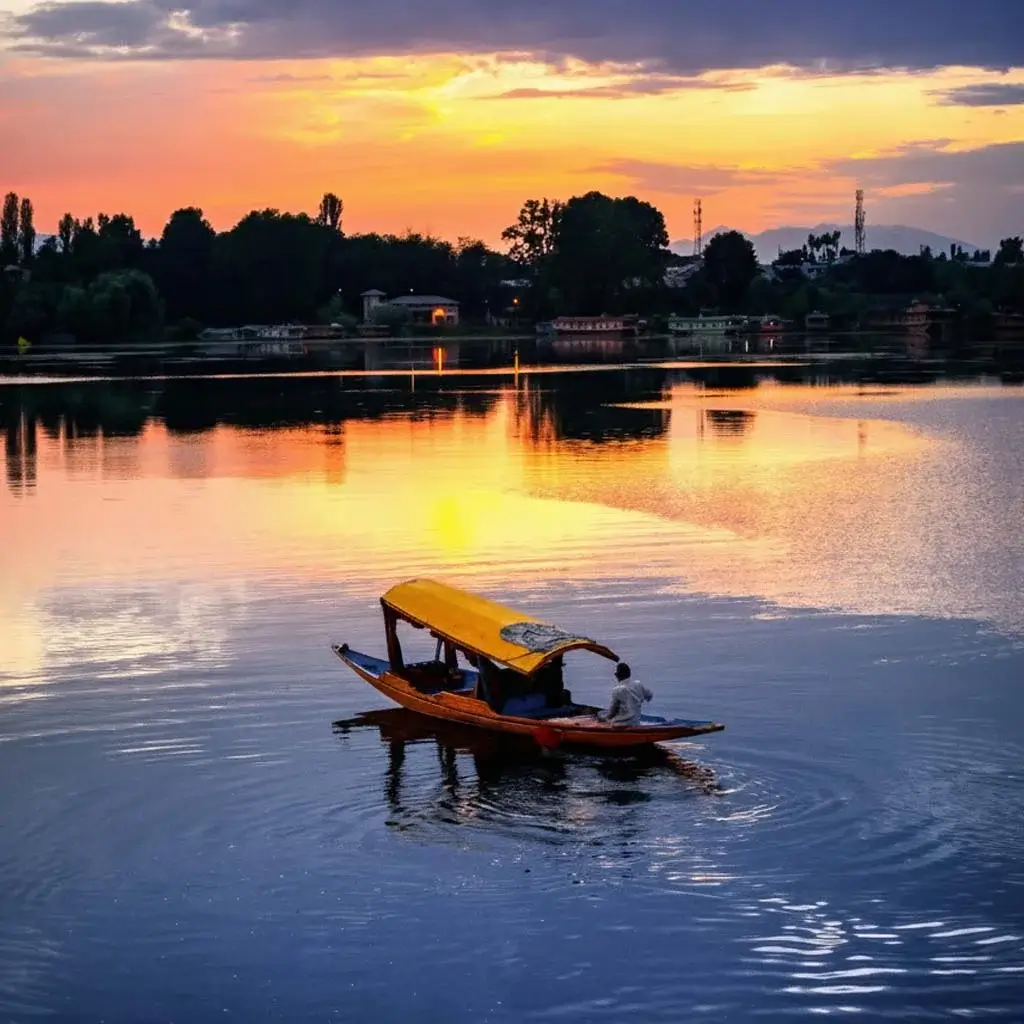 4D/3N
4D/3NThe Perfect 4 Day Kashmir Getaway
1D Srinagar•1D Gulmarg +2
₹8,999₹24,999SAVE ₹16,000/ person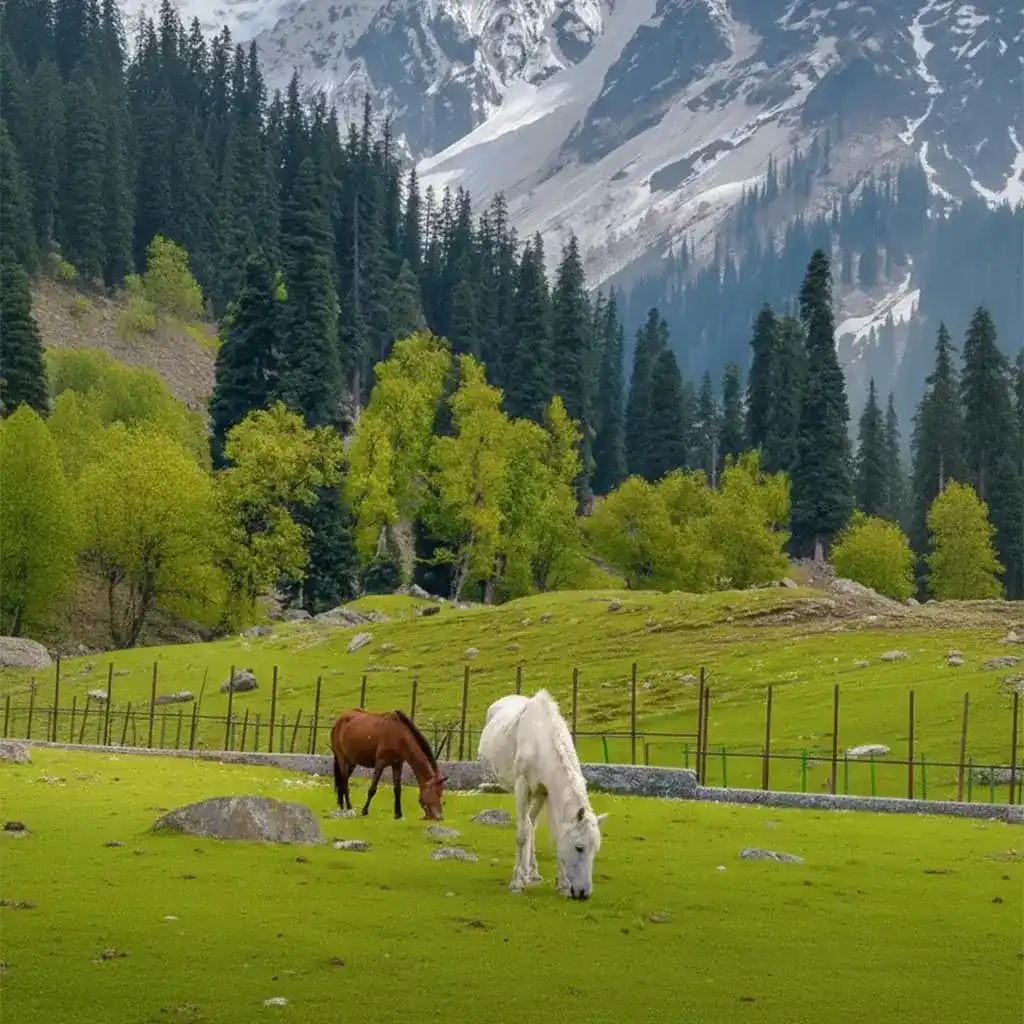 5D/4N
5D/4NTimeless Kashmir Retreat – Srinagar, Gulmarg & Pahalgam Experience
1D Srinagar •1D Gulmarg (day trip)+3
₹39,999₹65,999SAVE ₹26,000/ person
Frequently Asked Questions about Hazratbal Shrine Srinagar
Is there an entry fee for Hazratbal Shrine?
No. There is no entry fee. The shrine is free to visit for everyone, regardless of faith or background.
Can non Muslims visit Hazratbal Shrine?
The outer courtyard, complex, and lakeside grounds are open and welcoming to visitors of all faiths. You can walk freely through these areas, take in the architecture, and enjoy the setting. However, entry into the main inner prayer hall is restricted for non Muslims and tourists, especially during active prayer times. Dress modestly, cover your head, and be respectful.
What are the timings for Hazratbal Shrine?
The shrine is generally open throughout the day for visitors. Timings can vary during festivals and special occasions. It is best to visit during daylight hours and confirm locally if planning an early morning or late evening visit.
What is the Moi-e-Muqqadas?
The Moi-e-Muqqadas is a relic believed to be a hair strand of Prophet Muhammad. It is housed inside the Hazratbal Shrine and is the primary reason the shrine holds such significance for Muslims in Kashmir. The relic is displayed to the public on key Islamic occasions, most notably Eid Milad un Nabi.
What is the best time to visit Hazratbal Shrine?
April to June and September to November offer the most comfortable weather. The shrine is open year round, including winter. For a spiritual experience, visiting during Eid Milad un Nabi or Shab e Meraj, when the relic is displayed, is powerful but expect very large crowds.
Is photography allowed at Hazratbal Shrine?
Photography is allowed in the courtyard and outdoor grounds. It is not permitted inside the main prayer hall. Be discreet during prayer times and do not photograph devotees without their permission.
How far is Hazratbal from Srinagar city centre?
About 8 to 10 km from Lal Chowk. It takes roughly 20 to 35 minutes by auto or taxi, depending on traffic. You can also reach it by shikara across Dal Lake.
Is there a dress code for visiting Hazratbal?
Yes. Modest attire is required. Cover your arms and legs. Women should cover their heads with a scarf or dupatta. Men should also cover their heads when entering the mosque area. Remove your shoes before entering the prayer areas.
Can I reach Hazratbal by shikara?
Yes. You can take a shikara from the main Dal Lake ghats to the northern shore near Hazratbal. This is the most scenic approach and gives you the best view of the white dome from the water. Negotiate the fare before boarding.
Is Hazratbal Shrine suitable for seniors and families?
Yes. The grounds are flat with paved walkways. There is no steep climbing involved. Seniors and families with children can visit comfortably. The only consideration is crowd density during Friday prayers and festivals, which may be uncomfortable for very young children or elderly visitors with mobility issues.
Related guides
Posts about Srinagar