
21 Best Places to Visit in Kashmir in 2026: First-Timer and Offbeat Guide
Every list of places to visit in Kashmir throws thirty names at you and walks away. That is not planning help. That is homework.
This guide by Travel Coffee tells you which places deserve your nights, which work as day trips from Srinagar, what the 2026 ground situation looks like, and what to drop when days run short.
We plan Kashmir trips through the season, and the same questions land with us every week. How many days is the Gondola running, can we do Sonamarg during the Yatra. This guide answers all of it.
Quick Answer: What are the best places to visit in Kashmir?
For a first trip, build your plan around Srinagar, Gulmarg, Pahalgam and Sonamarg. Srinagar is your base, and the other three are the big excursions.
Add Doodhpathri or Yusmarg if you want quiet meadows without long drives. Keep Gurez Valley for a trip with more days in hand.
Six to seven nights beat squeezing everything into four. And in 2026, check road access, Amarnath Yatra traffic timings and attraction status, like whether the Gulmarg Gondola is running, before locking your dates.
If you want a plan built around your exact dates, our customised Kashmir tour packages start with these same checks.
What does "Kashmir" include in this guide?
This guide covers the Kashmir Valley. Srinagar, and everything you can reach from it by road within a day or two.
Jammu and Vaishno Devi sit across the Pir Panjal range and need their own travel days. Ladakh is a separate high-altitude region with its own route, season and acclimatisation demands.
So no, Leh does not belong on a Kashmir Valley sightseeing list, even though plenty of itineraries club them together. If the mountains make you greedy, extend your holiday to Ladakh as a separate leg with separate days.
Which four destinations should first-time visitors prioritise?
Srinagar, Gulmarg, Pahalgam and Sonamarg. Almost every first trip runs on this circuit, and for good reason.
Srinagar is where you land, where the lakes and gardens sit, and where most travellers keep their base. Gulmarg and Pahalgam both reward an overnight stay, because their best hours come before and after the day crowds.
Sonamarg works as a day trip or an overnight stop, depending on the season, the road situation and whether you plan to continue towards Ladakh.
Here is what most tourists get wrong
They try to fit all four into four nights. You end up spending half the trip inside a car and none of it beside a river.
Srinagar: lakes, gardens and the old city
Give Srinagar two full days minimum. Most itineraries treat it like an airport with a lake attached.
Dal Lake and Nigeen Lake
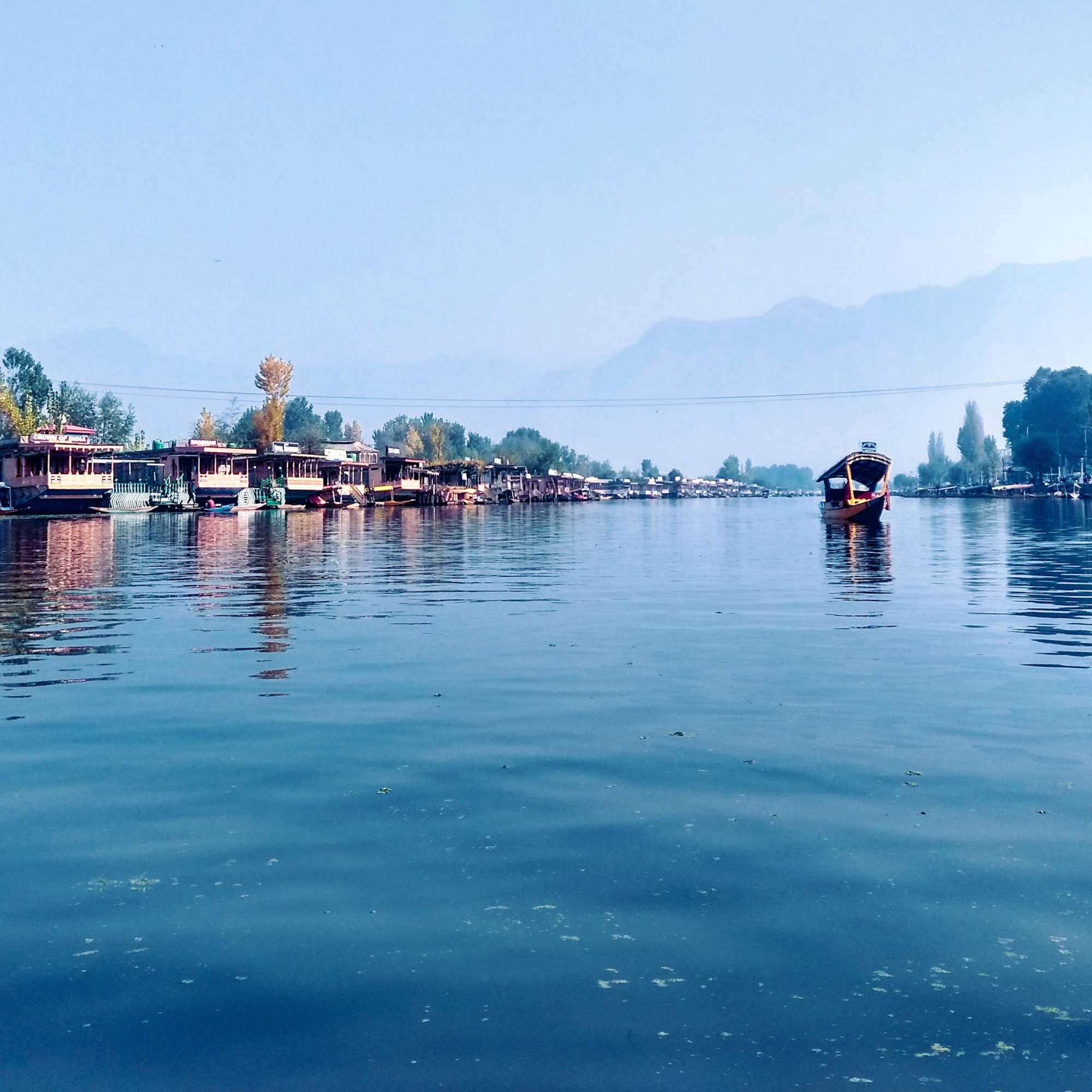
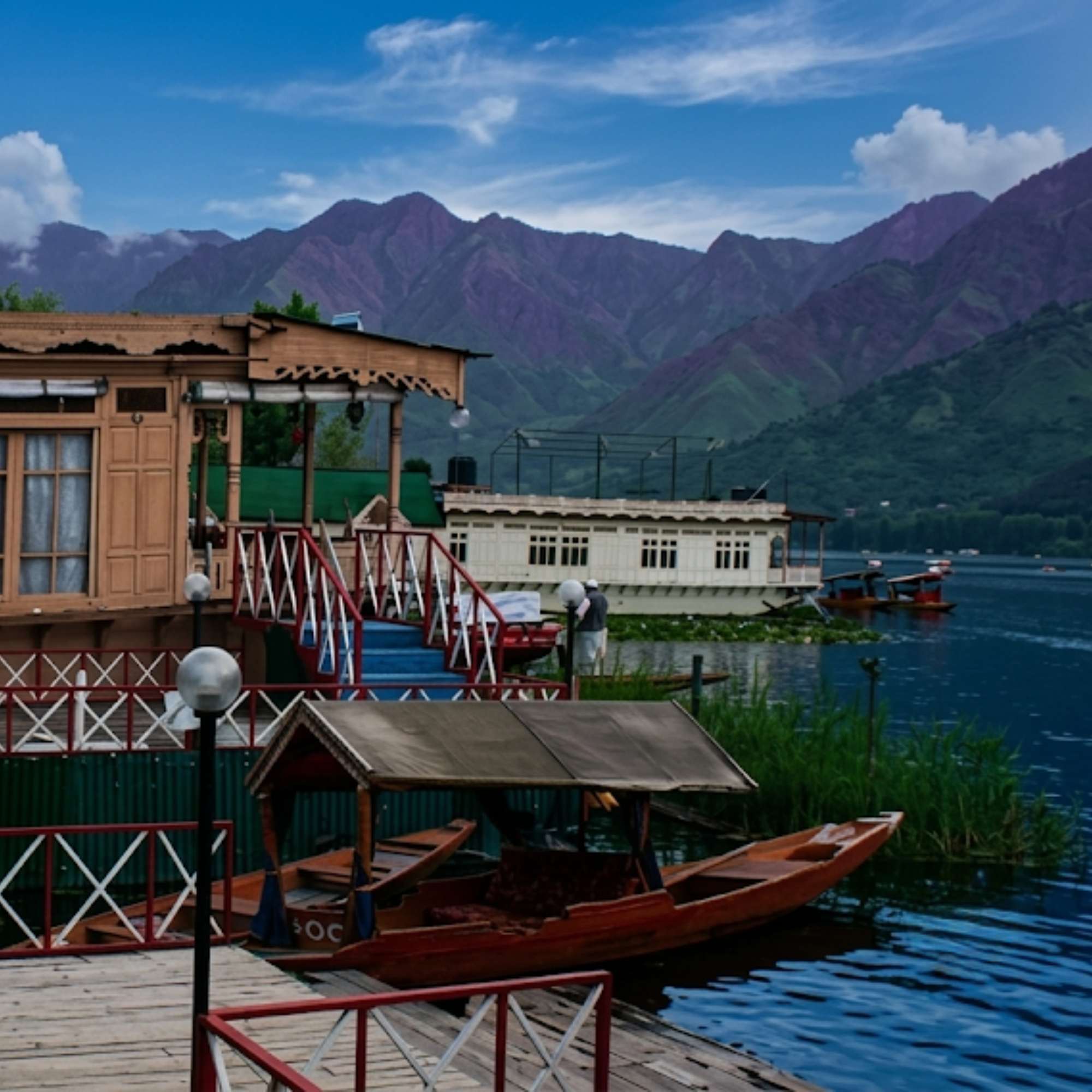
Srinagar sits at about 1,730 metres, spread along both sides of the Jhelum, and Dal Lake and Nigeen Lake are its two main lakes.
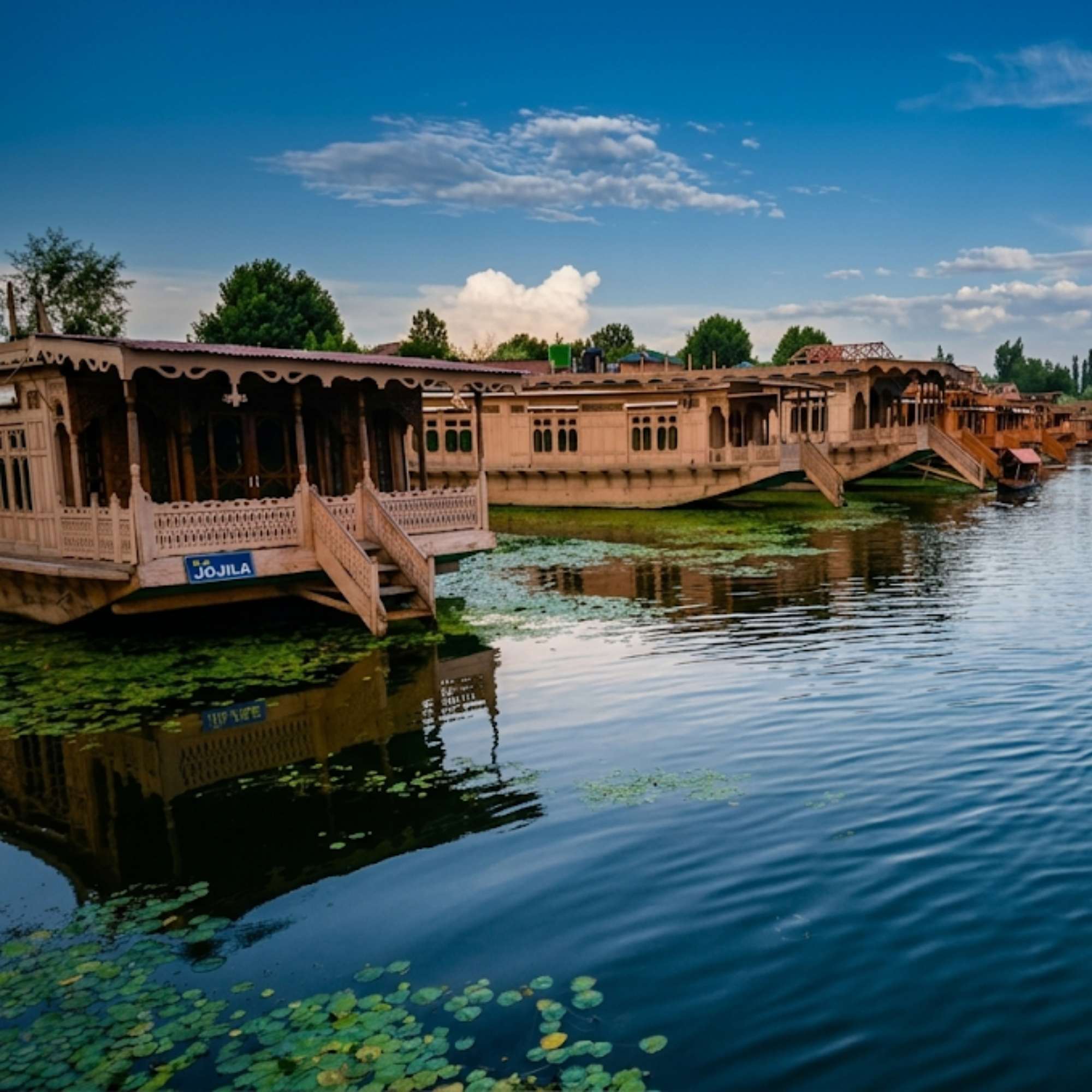
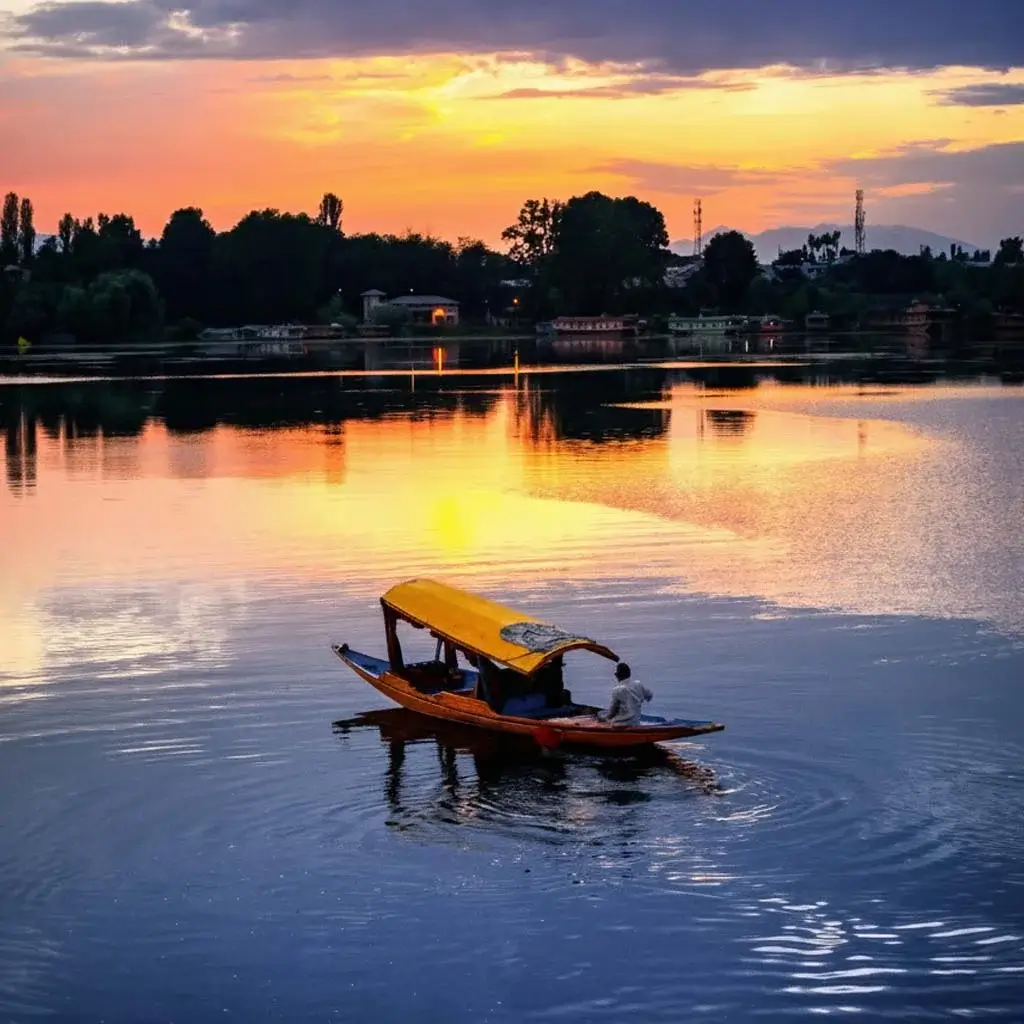
Dal is the famous one. Houseboats line the boulevard, shikaras drift between them, Mughal garden slopes rise on one side, and Shankaracharya Hill stands behind it. A morning or evening shikara ride here is the Kashmir picture everyone carries home.
Nigeen is the quiet one. Fewer boats, fewer vendors, more open water. For a houseboat night with actual silence, pick Nigeen.
Shikara fares change season to season, so treat any figure online as expired.
Wherever you stay, ask your houseboat host for kahwa after dinner instead of regular chai. Saffron, cinnamon, crushed almonds. Nothing suits a cold lake evening better.
One thing we warn every guest about: mid-lake, floating vendors paddle up selling saffron, jewellery and photo shoots, and some push hard. A firm, polite, no works.
Mughal Gardens and Pari Mahal
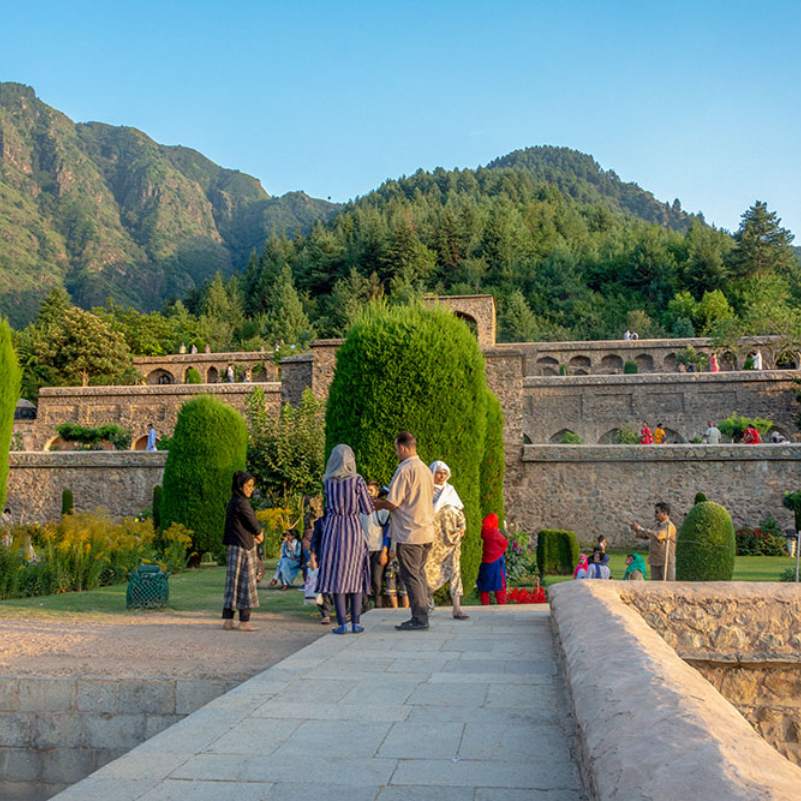
Four gardens matter here. Shalimar Bagh, laid out in 1619, is the grandest. Nishat Bagh, designed in 1633, has the better Dal Lake views from its upper terraces.
Chashme Shahi is the small one, built around a mountain spring. Pari Mahal sits above them all, a terraced garden and viewpoint looking out over the entire Dal Lake landscape.
Entry fees and opening hours change by season. Entry fees and opening hours may vary by season, so check at the gate on the day.
Do not attempt all four in one afternoon. Pick two, ideally Nishat and Pari Mahal, and give them real time instead of racing between ticket gates.
Shankaracharya Hill, Hazratbal and old Srinagar
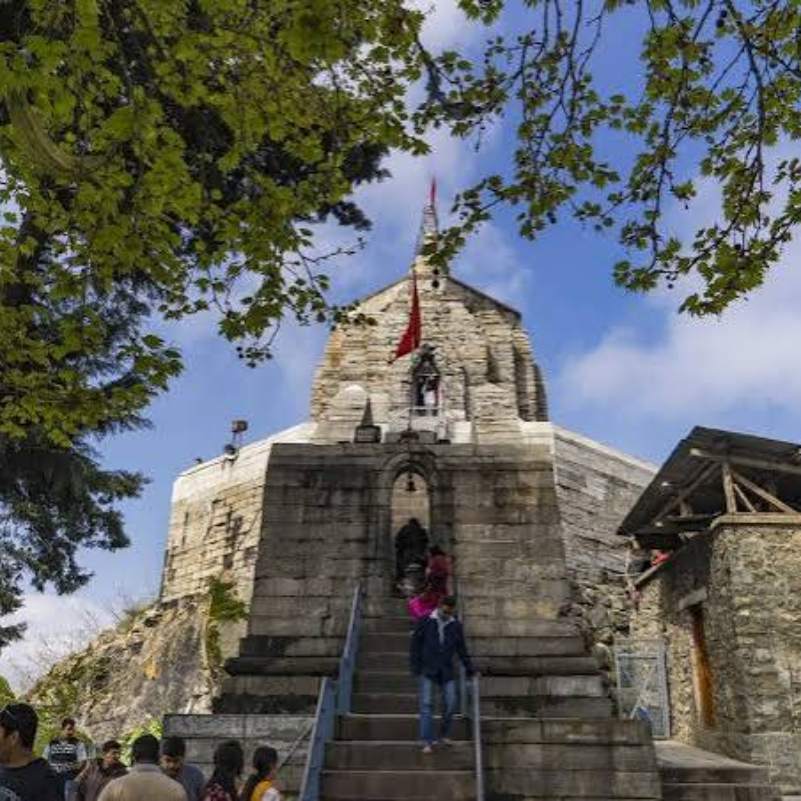
Shankaracharya Hill gives you the one view that explains Srinagar's layout, with the lake, city and mountains in a single frame. The climb involves a long flight of steps, so save it for a fresh morning.
Hazratbal shrine stands on Dal's northern shore, white marble against the water. Dress modestly and move with the rhythm of the place.
Then walk the old city. Wooden mosques, copper workshops, spice sellers, and bakeries pulling fresh lavasa and bakarkhani out of tandoors all morning. Buy bread straight from the counter, find a cup of noon chai, and watch the city work.
Indira Gandhi Memorial Tulip Garden
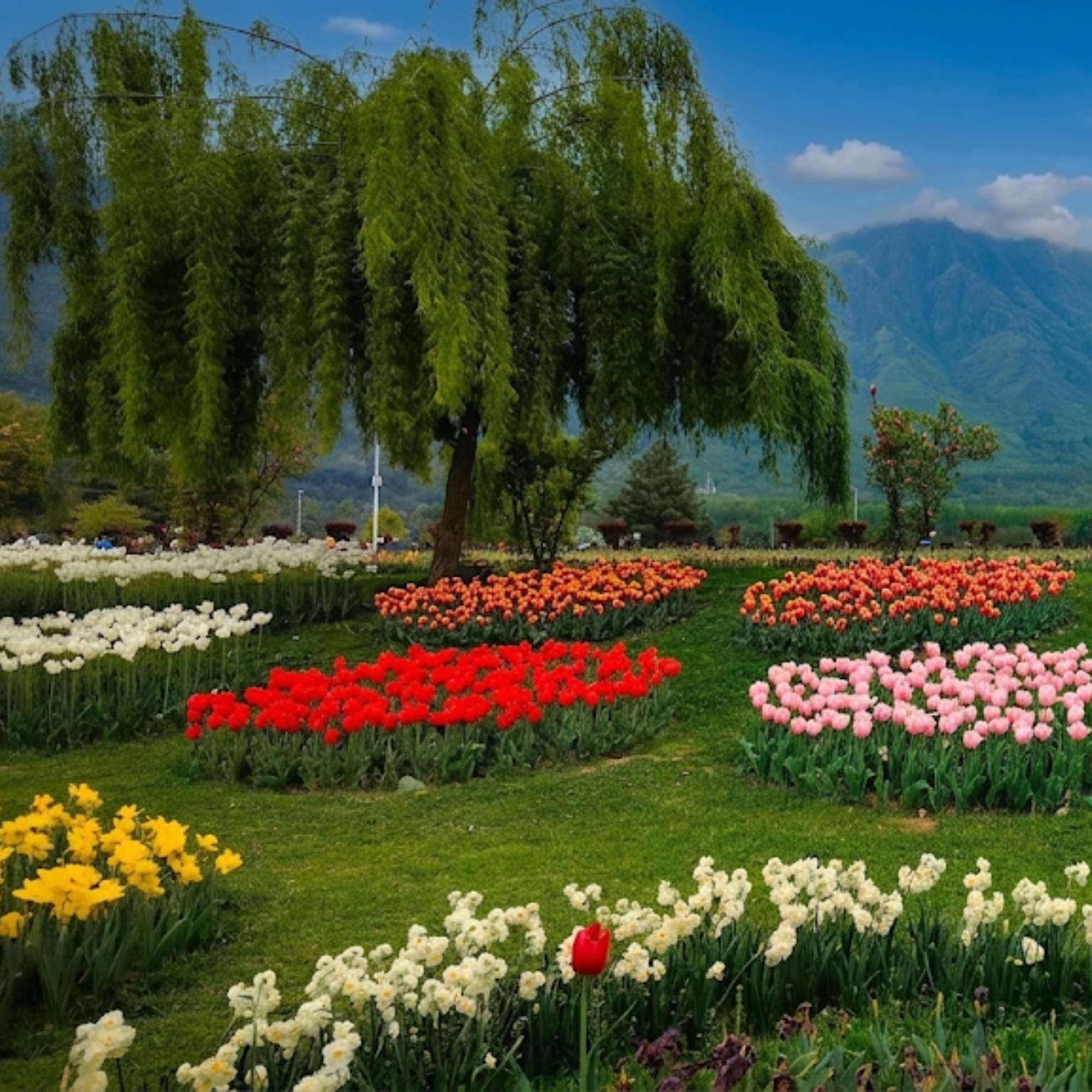
The Tulip Garden is a spring event, not a year-round sight. It runs for a few weeks of bloom, then shuts.
The 2026 season opened on 16 March, with 1.8 million bulbs planted and more than 60 tulip varieties on display.
If tulips are your reason for coming, confirm the garden is open and in bloom for your exact dates. Bloom windows shift with the weather, and arriving a week late gets you green stems and regret.
Gulmarg: gondola views, meadows and snow
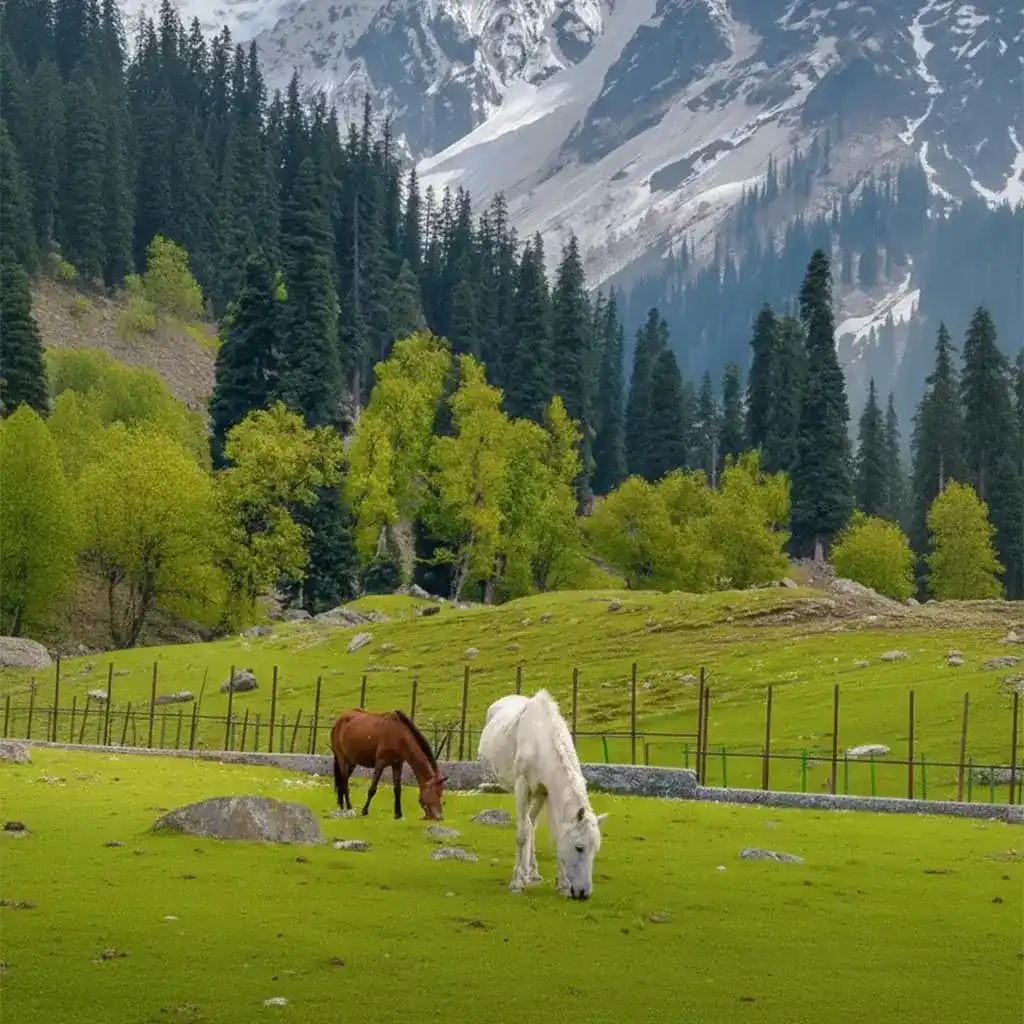
Gulmarg sits about 57 kilometres from Srinagar airport, a meadow bowl ringed by pine forest with the Apharwat ridge above it.
Winter makes it India's best known ski address. Summer turns the same slopes green. Both versions deserve a night.
Gulmarg Gondola, Kongdori and Apharwat
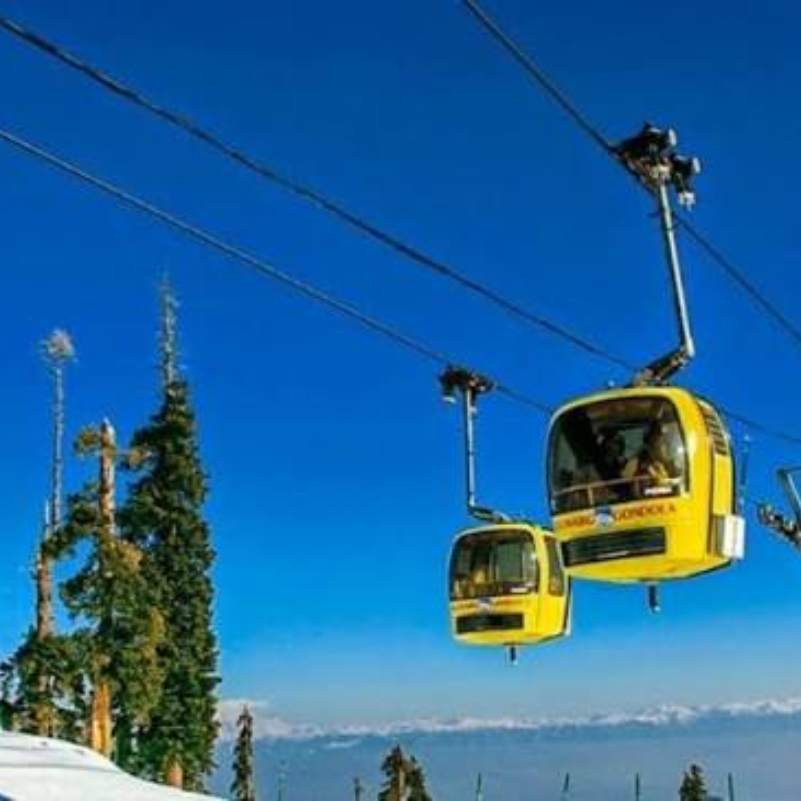
The Gondola climbs in stages, first towards the Kongdori meadows and then higher up the Apharwat side. On a clear day, the upper stage puts you among the biggest views in the valley.
Book only through the official Jammu and Kashmir Cable Car Corporation channel. Touts around the taxi stand sell "confirmed" tickets at their own prices. Skip them.
We are not printing a ticket price because the figures circulating online contradict each other.
The Gondola also had a rough 2026. A technical fault suspended the service in late May, and reports say it resumed on 25 June 2026 after safety clearance from the manufacturer.
So as of this 2026 update, check both the latest Gondola operating status and the ticket price on the official channel before you leave Srinagar.
What can travellers do in Gulmarg without the gondola?
Plenty. Walk the meadow loops, take the forest trails at the edge of the bowl, ride ponies to the nearer viewpoints, and in winter, use the sledging runs and beginner slopes.
Snow is seasonal, never guaranteed. An early December date does not promise white slopes, and a late March trip can still land in deep snow.
Strong winds, poor visibility and technical checks can pause mountain activities at short notice. Keep your Gulmarg day loose instead of stacking it with fixed slots.
What is the 2026 Gulmarg odd-even rule?
The administration scheduled an odd-even traffic pilot for Gulmarg from 5 July to 5 August 2026, running 8:00 AM to 8:00 PM daily.
Four-wheelers with registration numbers ending in an odd digit enter on odd dates. Even-ending numbers enter on even dates.
Here is the tip generic guides miss: if you are hiring a taxi for a fixed Gulmarg date inside this window, ask for the vehicle's plate number before you confirm. The wrong last digit means a cancelled plan at the checkpoint.
The pilot can change, extend or end early, so recheck the arrangement close to your date.
Pahalgam: rivers, pine valleys and day excursions
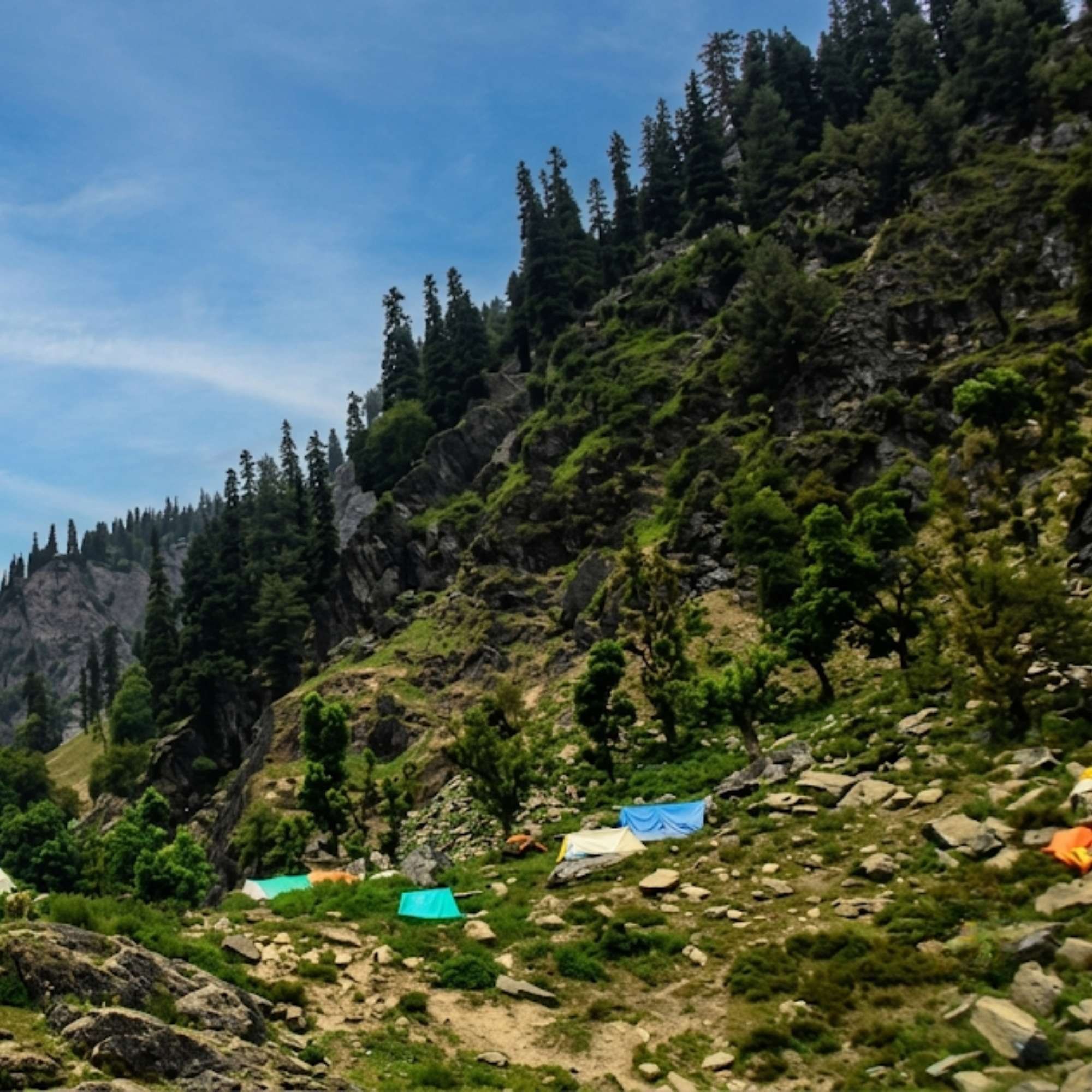
Pahalgam lies about 95 kilometres from Srinagar at around 2,130 metres, built along the Lidder River with pine slopes rising on both sides.
The town itself is small. You come for the valleys around it and the sound of that river outside your window at night. Stay two nights if you can.
Aru Valley
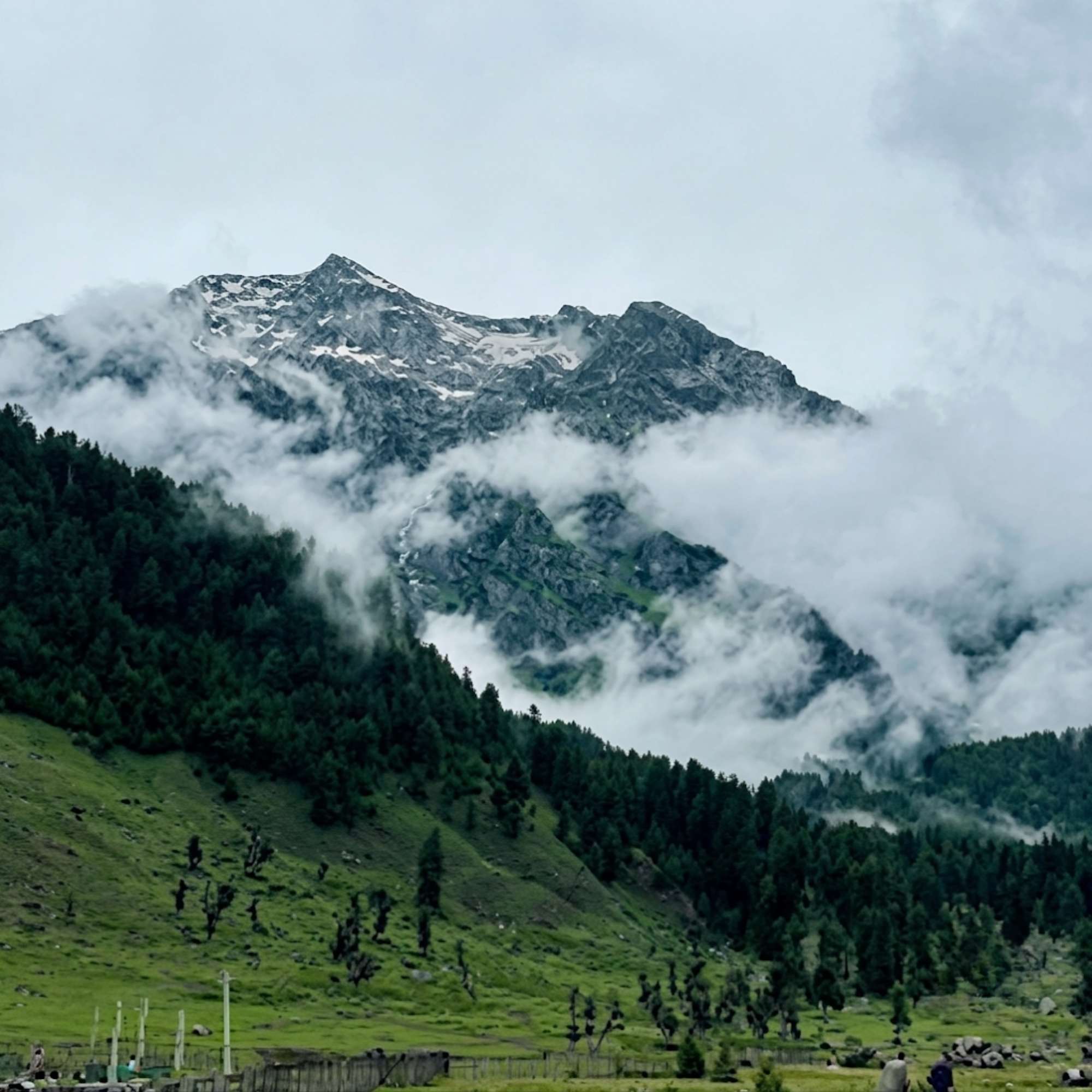
Aru sits about 15 kilometres from Pahalgam, a wide green meadow village that doubles as the base for longer treks deeper into the mountains.
Walk without a plan here. Cross the stream, climb a slope, sit down. This is the Pahalgam most day-trippers never see.
Rain, snow or a rough patch of road can affect access, so ask about conditions in town before heading up.
Betaab Valley and Chandanwari
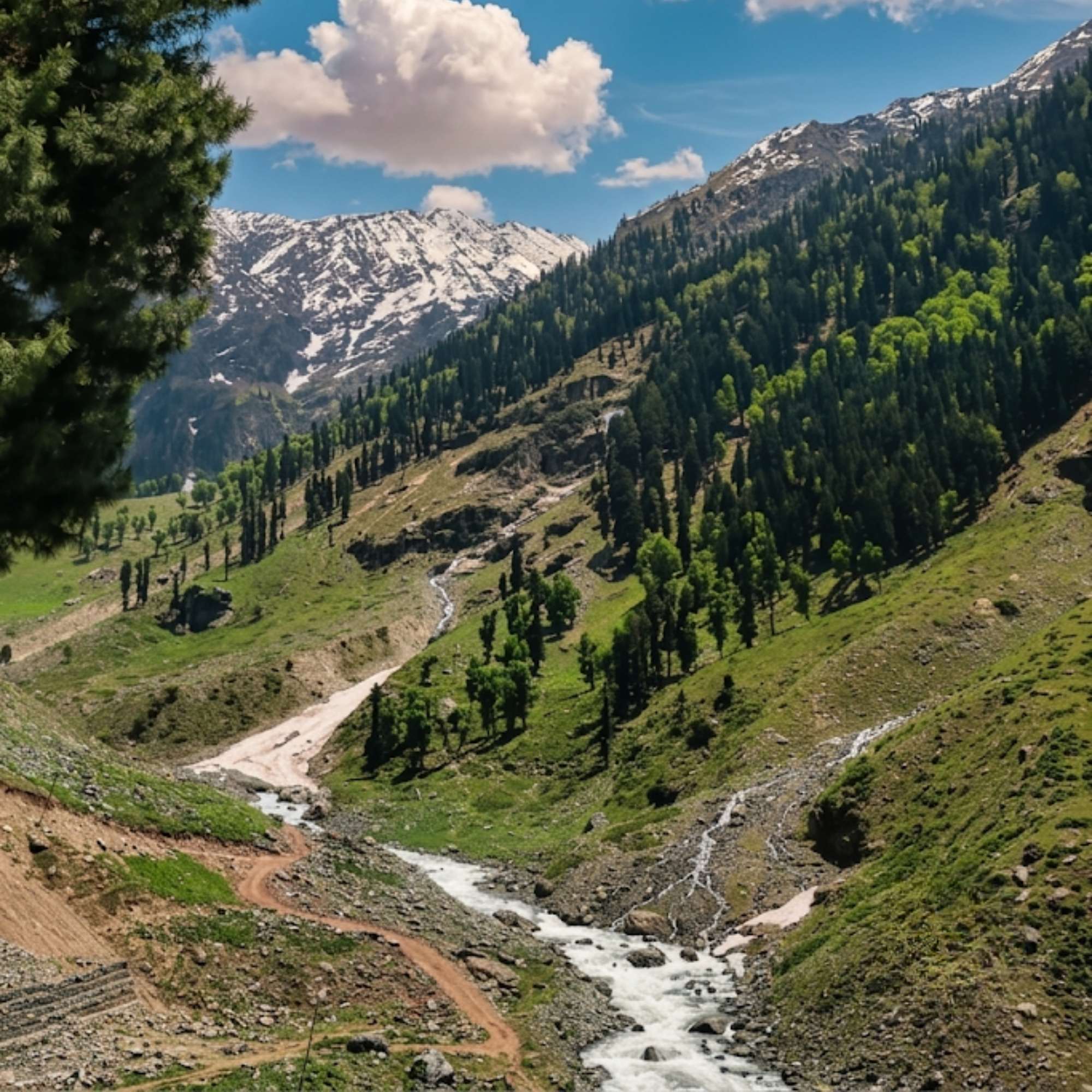
Betaab Valley takes its name from a 1983 Bollywood film, and it is the most packaged stop in Pahalgam. Ticketed gates, landscaped lawns, fenced paths, big crowds by noon.
Our honest take: if you have one free slot, spend it in Aru. Betaab is pretty, but it feels like a city park dropped into a great location.
Chandanwari lies further up the same road and matters most during the Amarnath Yatra, when pilgrim traffic takes over this stretch and local movement slows.
Published transport rates list the Aru, Chandanwari and Betaab circuit from ₹2,000 for an Eco Van to ₹3,000 for a Crysta, and Betaab alone from ₹900 to ₹1,600.
Reconfirm these on arrival, because rate validity, access and vehicle availability all shift through the season. And a quiet money tip: if your group fits in an Eco Van, take it. Same road, same stops, and on the full circuit you keep ₹1,000 in your pocket.
Baisaran
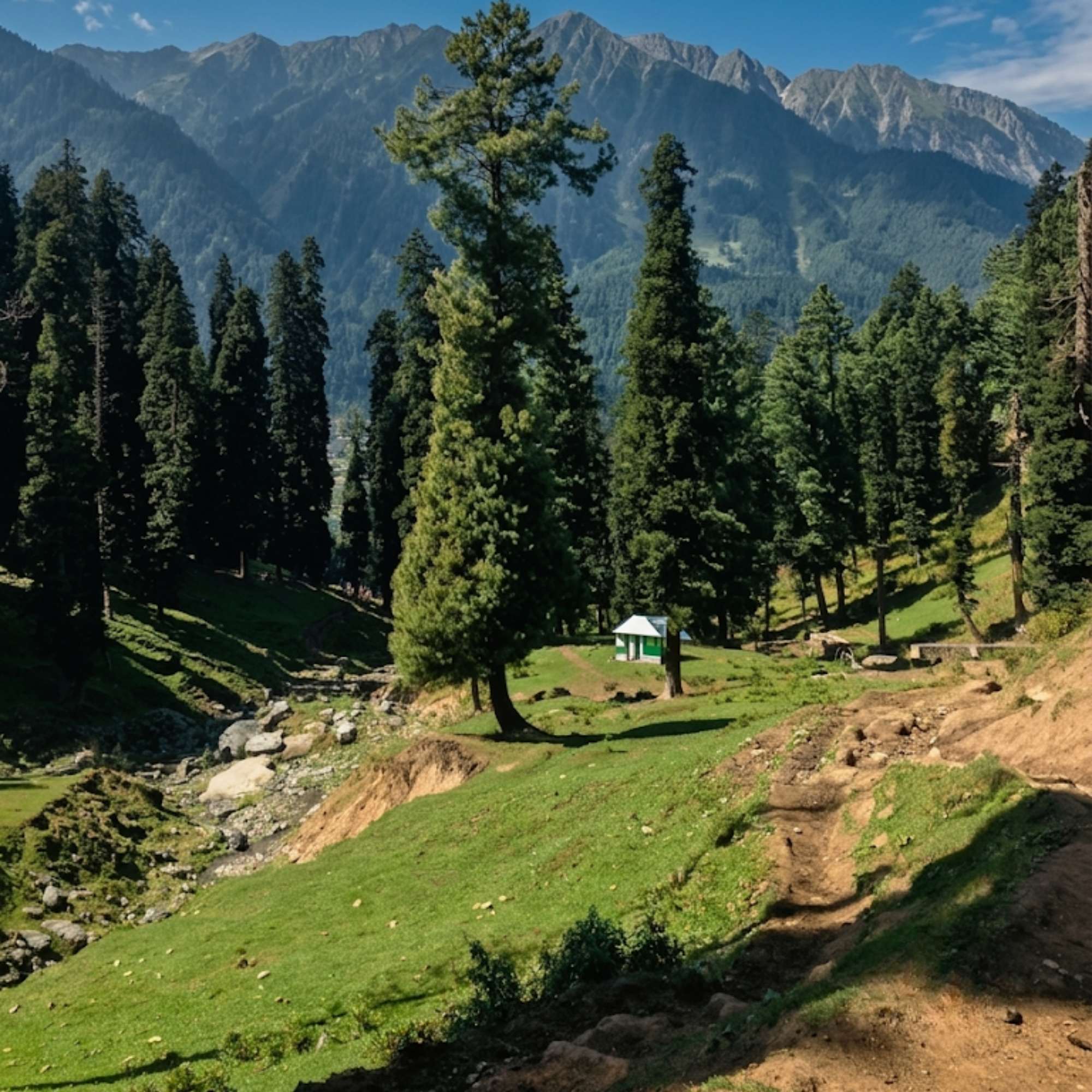
Baisaran is the scenic meadow above Pahalgam that local guides and pony operators commonly recommend.
According to the latest reliable report published on 21 April 2026, Baisaran remained closed to tourists, although Pahalgam town, hotels and markets were operating normally.
No confirmed official announcement of its reopening has been found, so travellers should check the current access status with local authorities or their hotel before planning the excursion.
Do not pre-book or pre-pay for a Baisaran excursion until someone on the ground confirms it has reopened. A published pony rate listed ₹1,500 return including a one hour wait, with ₹250 for each extra hour, but a rate on paper is not proof the meadow is open.
Mid-July 2026 Pahalgam weather update
A cloudburst and flash flooding hit parts of Pahalgam on 11 July 2026. Reports described damaged roads and tourism properties, and rescue teams moved some tourists to safer locations.
This does not mean Pahalgam is closed. It means conditions changed fast and repairs take time.
Before you travel, confirm the current state of the roads, your hotel and local sightseeing. Ask specifically about the Aru and Chandanwari roads too, because side valleys always recover slower than the main market.
Sonamarg: alpine scenery and the road towards Ladakh
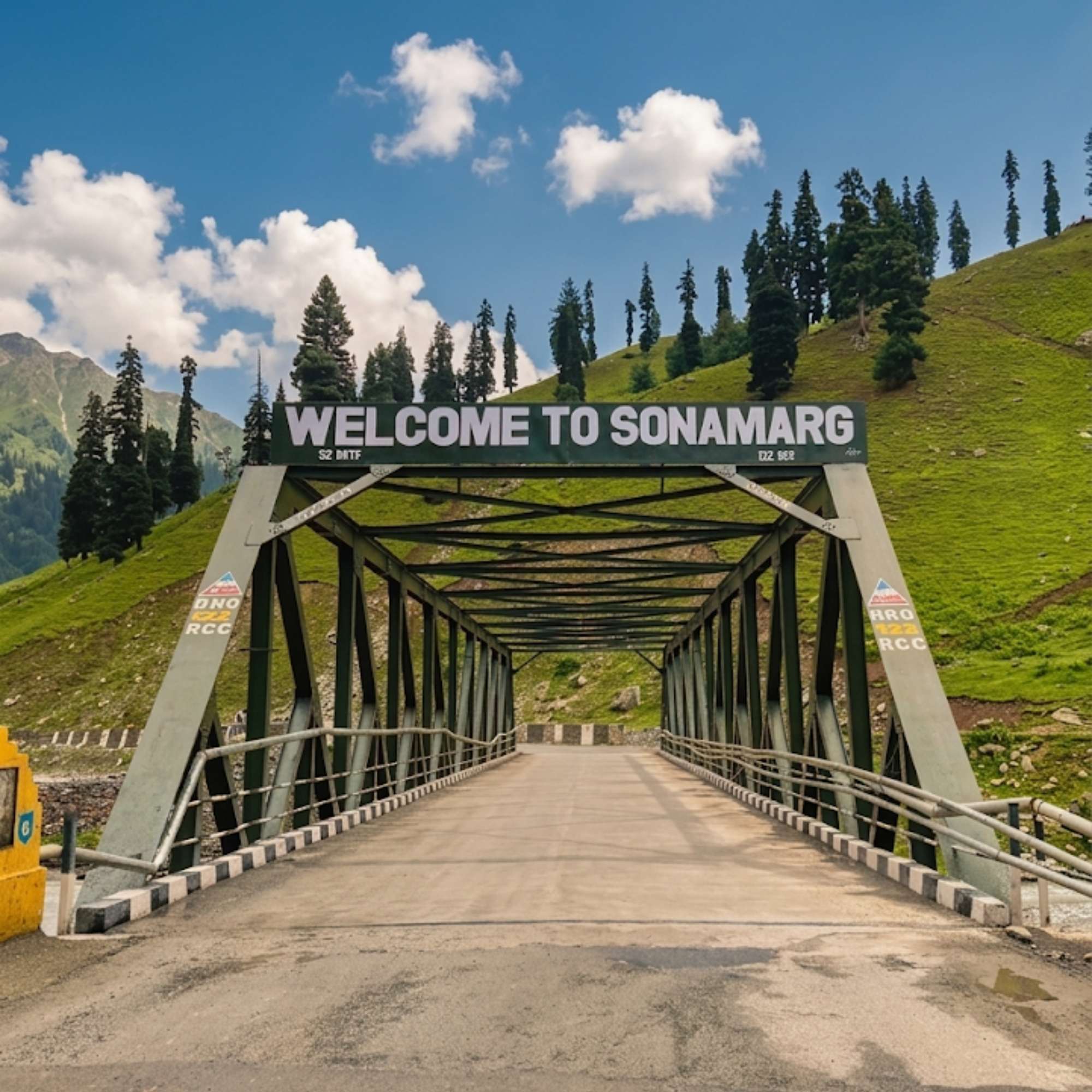
Sonamarg, the Meadow of Gold, sits about 80 kilometres from Srinagar at around 2,730 metres, on the road that continues towards Ladakh.
The Sindh River runs through it, glacier-fed, cold and loud. Around it you get mountain walls, seasonal riverside camps, and pony trails towards the Thajiwas side.
Do not build your day around walking on a glacier. Route permissions and conditions change, and what is reachable one month may not be the next.
Can Sonamarg be visited during the Amarnath Yatra?
Yes, with timing rules. Authorities scheduled a revised traffic advisory from 2 July to 28 August 2026, and convoy movement plus tourist vehicle cut-offs affect the Srinagar to Sonamarg road through this window.
The reported cut-off barred tourist vehicles from leaving Sonamarg towards Srinagar after 4:00 PM.
Treat that 4:00 PM as a hard wall. Start your return by 3:00 PM to stay clear of it, and check the daily traffic police advisory on the morning you travel, because timings get revised.
Doodhpathri: a quiet meadow escape
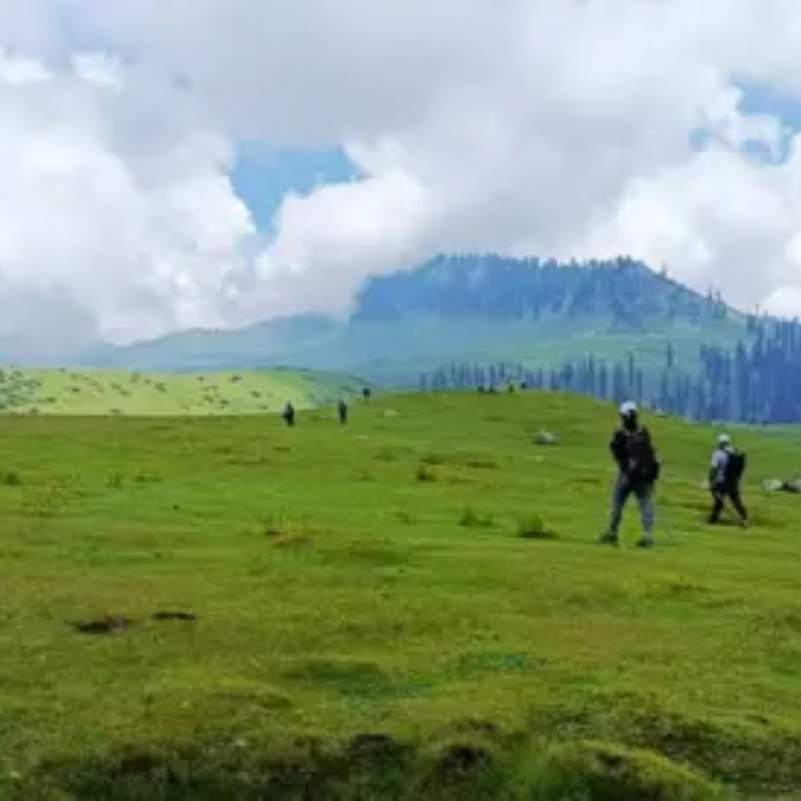
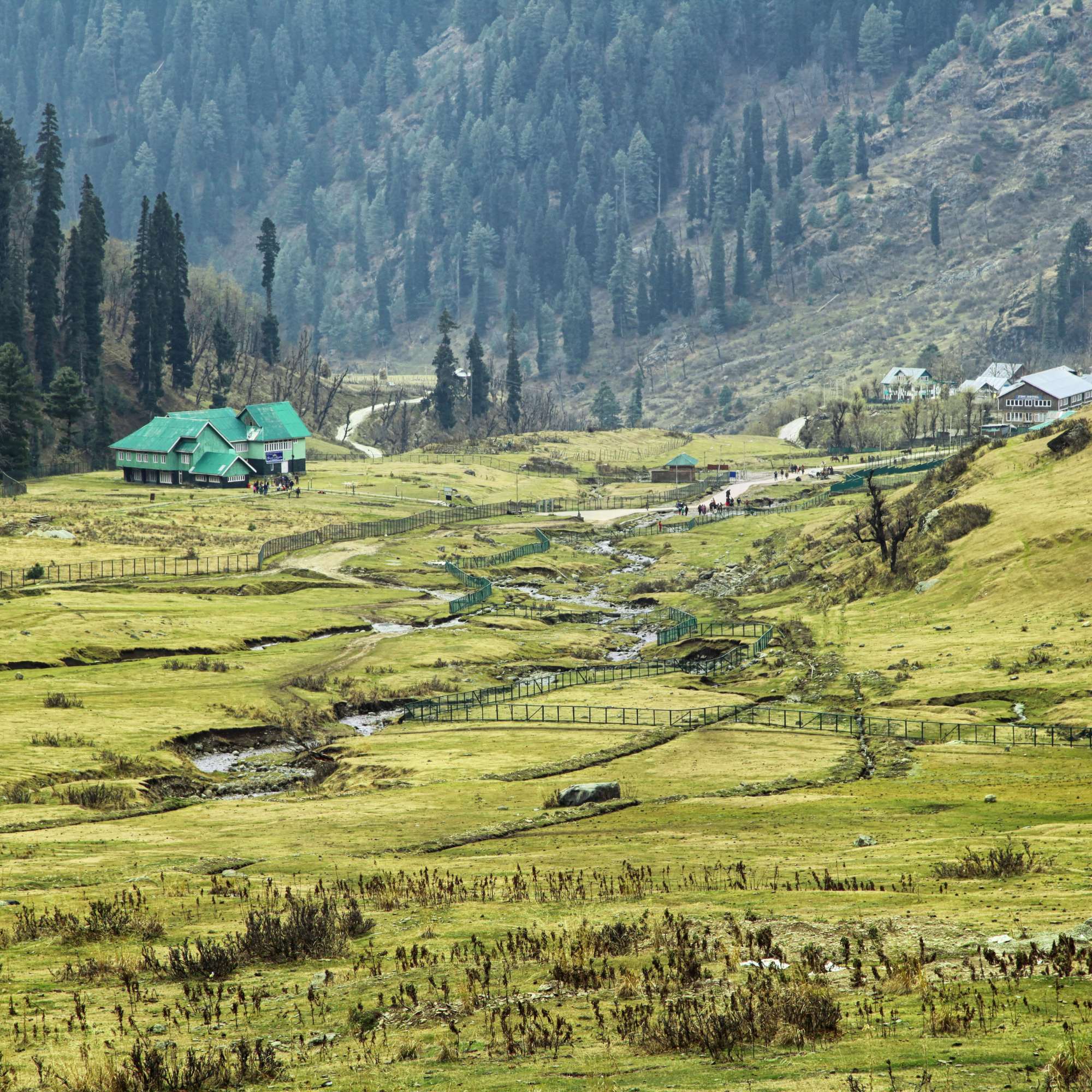
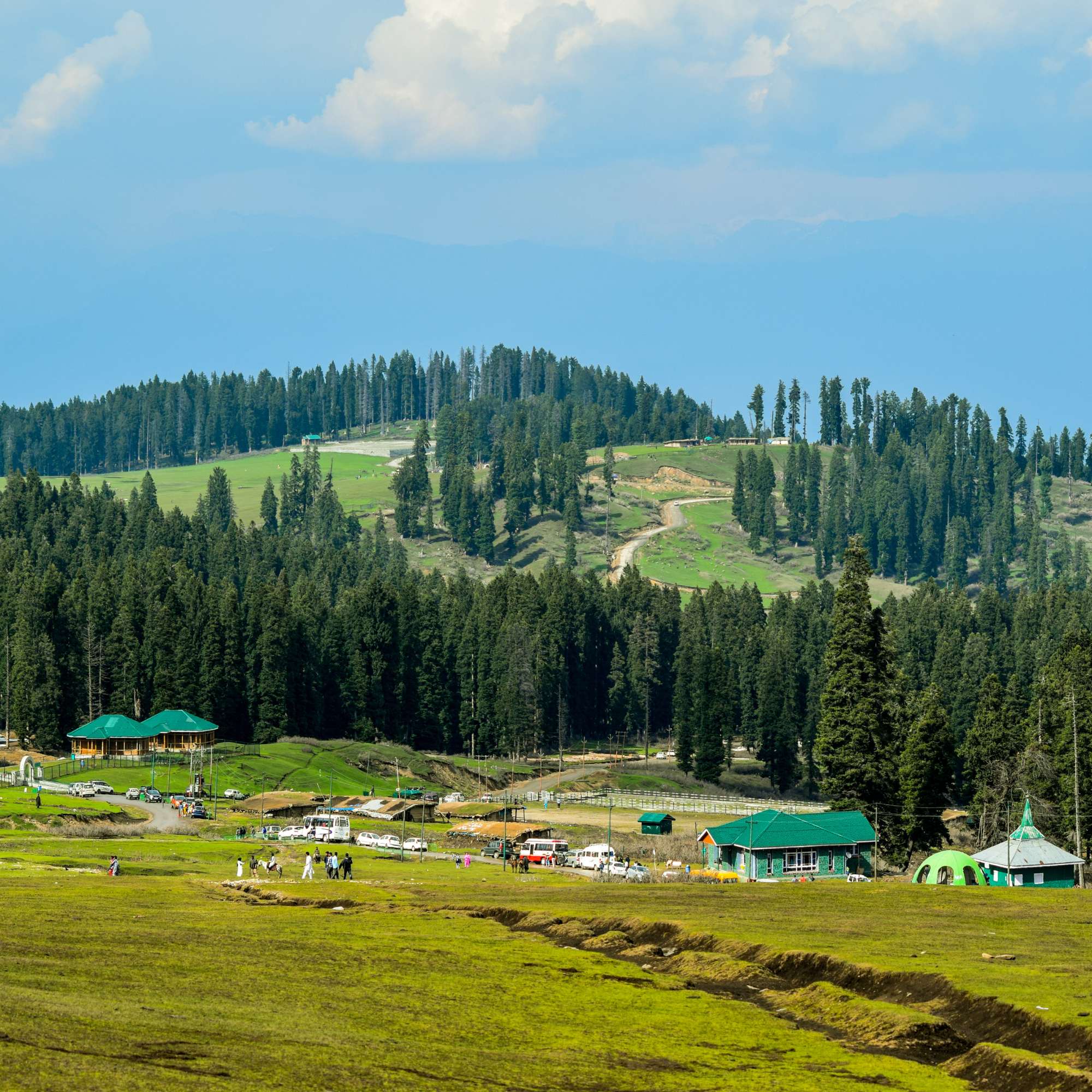
Doodhpathri gives you a meadow and a cold, fast stream for a relaxed day out of Srinagar. Grass slopes, pine edges, and a pace that has nothing to do with checklists.
Quieter than the big three, yes. Empty, no. Weekends bring Srinagar's own picnic crowds.
Distance, drive time, entry fee and taxi fare all need fresh confirmation. Fix the day's rate with your driver before leaving Srinagar.
Yusmarg: forest walks and picnic landscapes
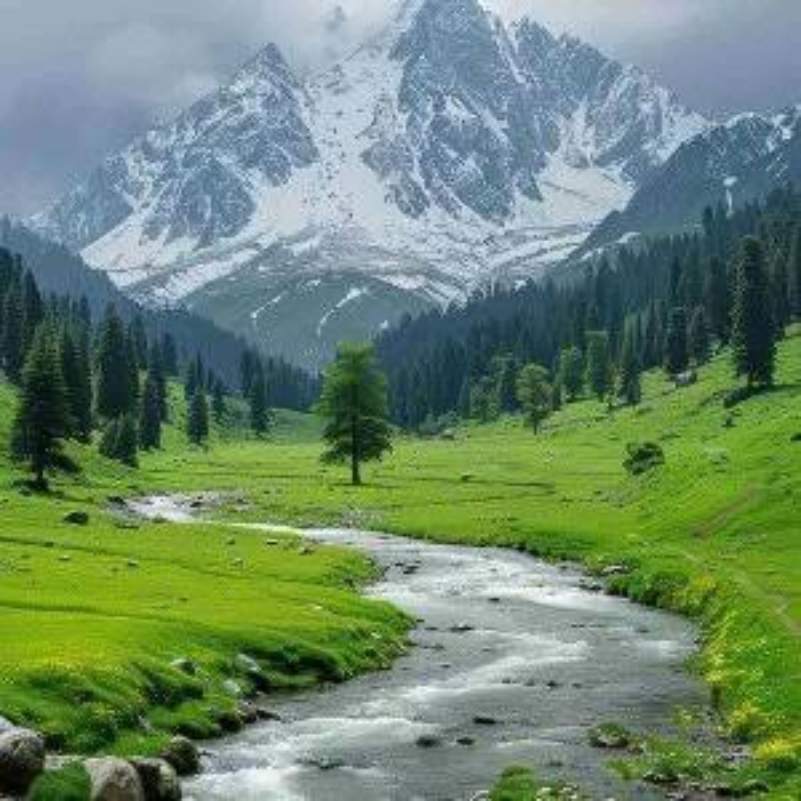
Yusmarg sits about 47 kilometres from Srinagar, and drivers commonly describe it as around a two hour run, depending on traffic and road conditions.
Pine forest walks, the Dudh Ganga stream, and a side excursion towards Nilnag fill an easy, unhurried day.
Pick Yusmarg when you want a low-pressure outing. No tickets to time, no queues, just a meadow and your own pace.
Gurez Valley: Kashmir's longer offbeat journey
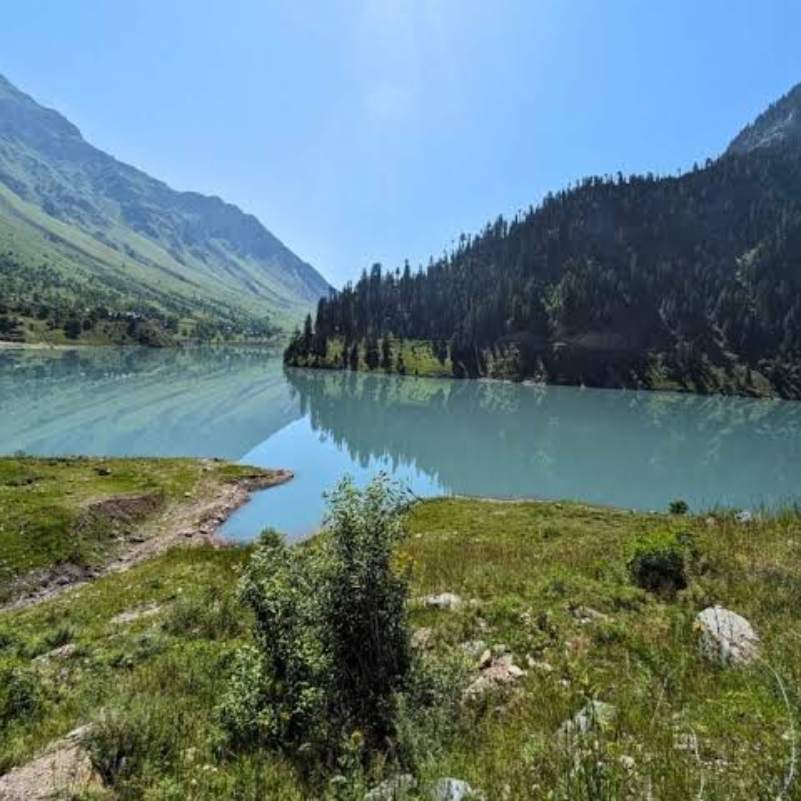
Gurez is the trip within the trip. It lies about 123 kilometres from Srinagar, across a high pass, in a remote valley where the Habba Khatoon peak rises like a pyramid over log-wood villages.
That number lies to you. Actual driving time depends on mountain roads, weather and security checks, so treat it as a full travel day.
Stay at least two nights. A rushed Gurez day trip gives you ten hours of driving for one hour in the valley.
Current entry procedures can change, so carry an original government-issued photo ID for every traveller and confirm the latest requirements with local district or security authorities before departure.
Aharbal Waterfall: a dramatic southern Kashmir excursion
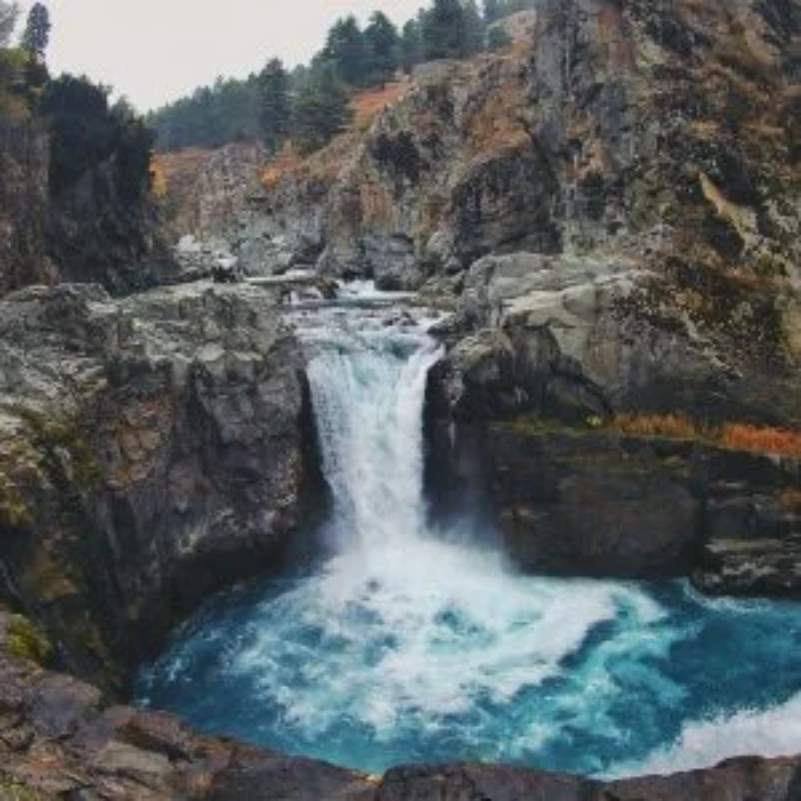
Aharbal sits about 75 kilometres south of Srinagar, a waterfall that crashes through a narrow gorge with enough force to soak the viewing points in spray.
Wet weather makes the paths slippery, so mind your footing during rainy spells and check road status before leaving Srinagar.
Lolab Valley: forests and village landscapes
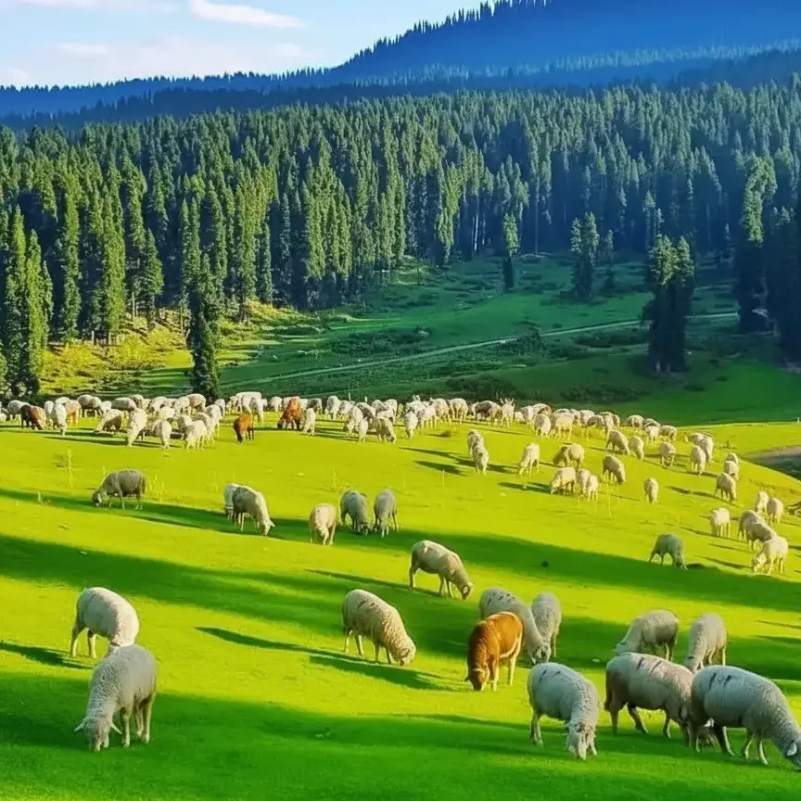
Central Lolab lies about 114 kilometres northwest of Srinagar, with its entrance near Kupwara. Rice fields, walnut orchards, deodar forest, and villages that see very few tourists.
This one suits repeat visitors, photographers and travellers who like slow days more than famous sights.
The route passes through sensitive northern areas. Carry original ID for everyone and verify current local access before you plan.
Verinag and Kokernag: springs and garden landscapes
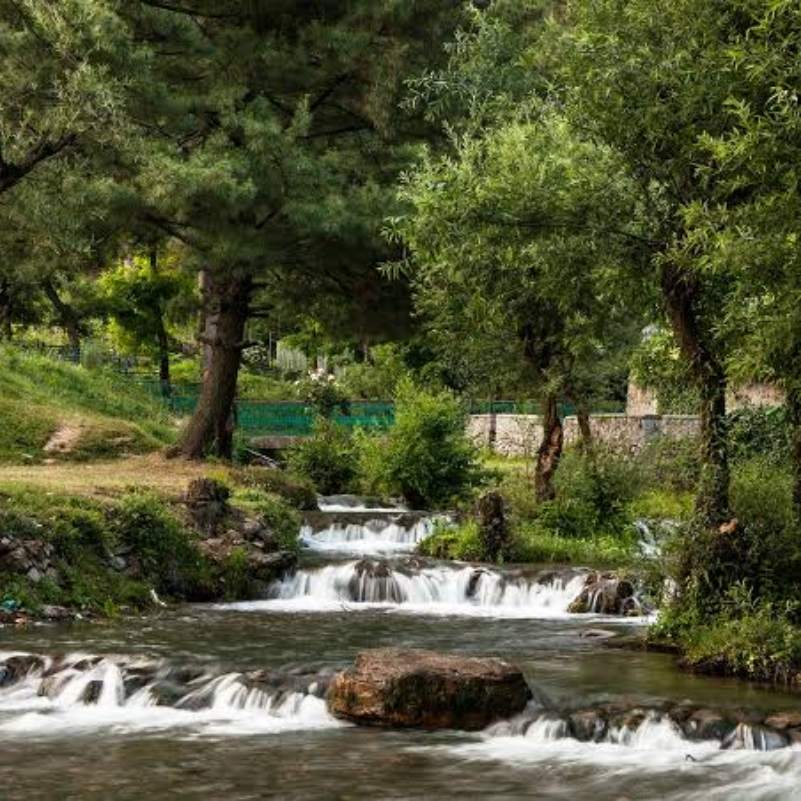
Verinag lies about 61 kilometres south of Srinagar, a Mughal-era spring garden where deep blue water rises inside an old stone enclosure. Kokernag pairs naturally with it, another set of springs wrapped in gardens.
Where road conditions allow, the two combine into an easy southern Kashmir day with almost no crowds.
Entry charges, garden timings and drive durations may vary, so confirm the latest details locally before setting out.
Sinthan Top: a high mountain drive
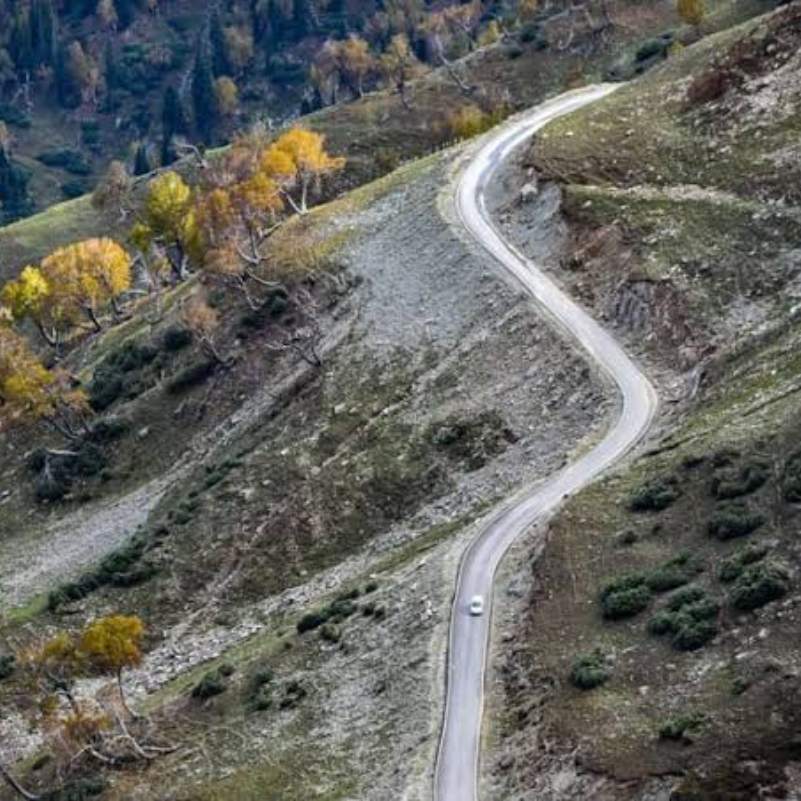
Published descriptions put Sinthan Top at about 12,000 feet and roughly 132 kilometres from Srinagar. It is a pass you drive up to, stand on, and drive back from.
Snow sits late into the year here, and the road is never a year-round certainty. Confirm road condition, weather, your vehicle's suitability and any local permission requirements before committing.
And skip it on a short trip. A full day of driving for one viewpoint is a poor trade when Kashmir keeps closer rewards.
Which places in Kashmir are best in each season?
There is no single best month for Kashmir. There is a best month for what you want.
Spring
Spring means the Tulip Garden, fresh green in the Mughal gardens, and mountains still holding their snow. It also means changeable weather.
The tulip bloom lasts a few weeks, so match your dates to the garden's actual season, not a photo you saw online.
High routes wake up late. Verify road access before adding Sonamarg or Gurez to a spring plan.
Summer
Summer is the practical season and the busiest. The full circuit runs, the meadows open, and families fill the valley through school holidays.
The catch sits in July and August, when the Amarnath Yatra brings traffic restrictions on key roads. Demand for rooms and vehicles also climbs around big holiday weeks, so book stays early.
Autumn
Autumn is chinar season. The giant trees turn copper and gold, evenings turn cold, and photographers get the cleanest light of the year.
Peak colour shifts every year with the weather, so nobody can promise you a specific golden week. Late autumn also starts shutting the high roads.
Winter
Winter belongs to Gulmarg. Snow slopes, ski runs, and the meadow under white. Srinagar turns quiet and cold, with houseboat evenings built around blankets and kangris.
Sonamarg, Gurez and the high mountain roads may shut completely. Keep a winter plan flexible and centred on Srinagar and Gulmarg instead of promising yourself every excursion.
The honest summary: spring for flowers, summer for open roads and the full circuit, autumn for colour, winter for snow. Decide the experience first, then the dates.
Which Kashmir destinations suit your travel style?
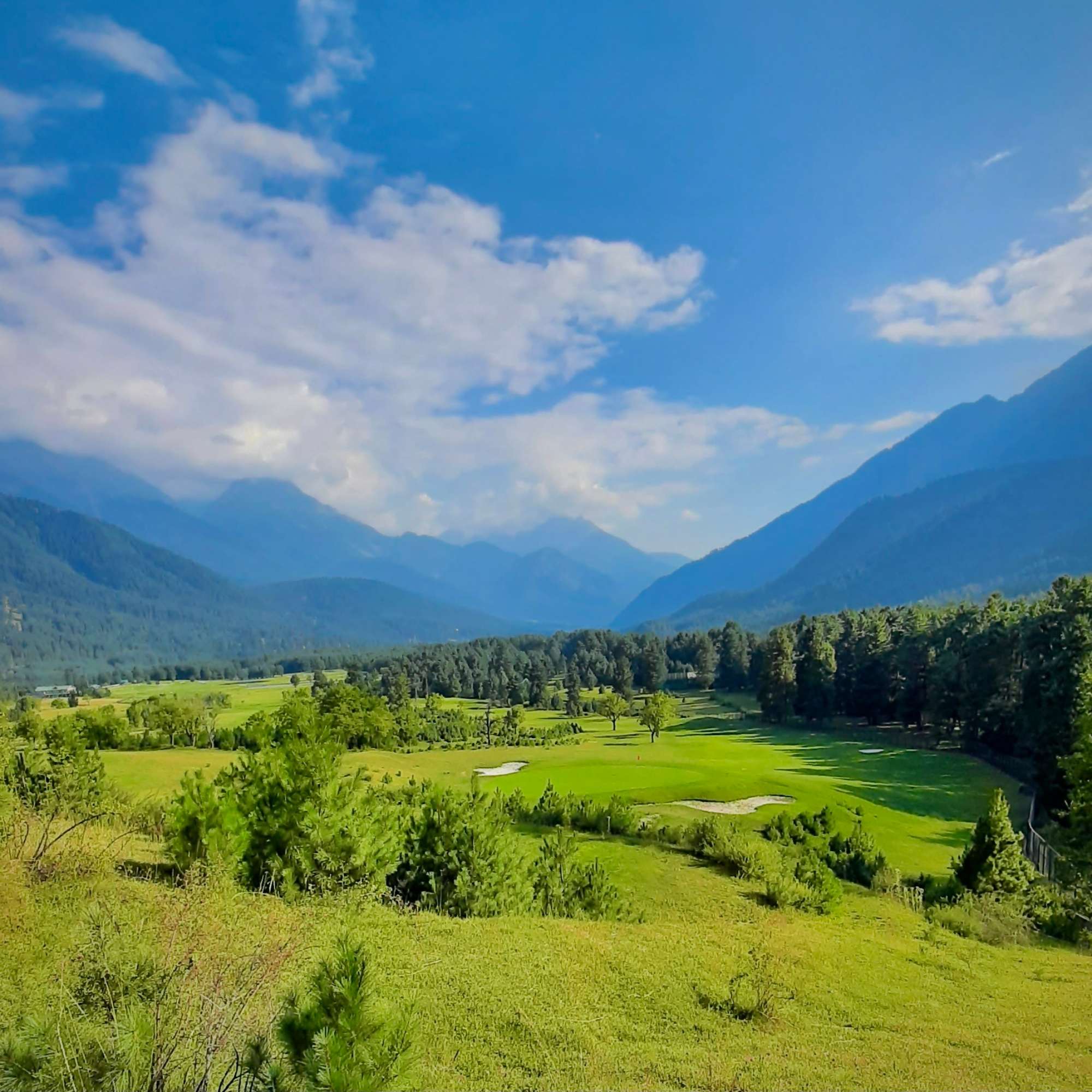
Families and senior citizens
Base yourselves in Srinagar, add the easier parts of Gulmarg, and keep Pahalgam relaxed with two nights instead of one rushed day.
Build rest into the plan. One big excursion per day, never two. Before choosing sights, check walking distances, stairs and how close vehicles can reach, because comfort here depends on exactly those details.
If anyone in the group has concerns about altitude or long drives, talk to their doctor before booking, not after.
Couples and honeymoon travellers
A houseboat night, slow mornings in Pahalgam, the Gulmarg meadows, and one quiet day at Doodhpathri or Yusmarg. That beats a checklist of twelve sights on any honeymoon.
Two-night stays beat daily hotel changes. Less packing, more actual holiday.
And no, we will not promise you snowfall on a specific date or a private meadow. Kashmir is generous, not scripted.
Adventure travellers
Winter brings skiing in Gulmarg. Summer brings trekking bases at Aru and Sonamarg, river rafting, and high drives like Sinthan Top.
A tourism announcement listed rafting starting in Pahalgam and Sonamarg from the second week of May 2026, with a published Pahalgam rate of ₹750 per person for a minimum 2.5 kilometre stretch.
Verify current operation, water levels, safety arrangements and price before you sign up. These rivers run on snowmelt, and operators pause sessions when levels turn unsafe.
Slow travellers and photographers
Add nights instead of places. An extra night in Srinagar for the old city, a third night in Pahalgam, or the full Gurez detour.
The best frames happen early. Dal Lake just after sunrise, before the day boats launch, is a different lake from the 11 AM version.
Expect patchy internet in the remote valleys.
How many days are enough for Kashmir?
Four nights and five days
Enough for Srinagar plus two big excursions, not four.
A workable Kashmir itinerary for 5 days looks like this: spend day one on the lakes and gardens, give days two and three to Gulmarg with one overnight, use day four for Pahalgam or a quiet Yusmarg outing, and keep the last morning easy before your flight.
Forcing Srinagar, Gulmarg, Pahalgam and Sonamarg into this window turns the trip into a driving tour with photo stops.
Six nights and seven days
This is the duration we recommend for a first trip.
A balanced Kashmir itinerary for 7 days runs like this: two nights in Srinagar for the lakes, gardens and old city, one night in Gulmarg, two nights in Pahalgam with the Aru excursion, a Sonamarg day when roads and advisories allow, and a final Srinagar night for shopping and an easy exit.
Nine to ten days
Now Gurez enters the plan, or a genuinely slow Pahalgam stay, or both Doodhpathri and Yusmarg.
The trick is replacement, not addition. Swap a classic day trip out for the offbeat one instead of stacking everything onto an exhausted schedule.
And keep one full buffer day. Weather and road advisories will spend it for you.
What might Kashmir sightseeing cost in 2026?
We will not throw a fake total budget at you. Flights, hotels and taxis in Kashmir swing widely by season, vehicle type, hotel category and how early you book.
Here is what published rate lists actually showed for Pahalgam. Rafting at ₹750 per person for a minimum 2.5 kilometre stretch. The Aru, Chandanwari and Betaab vehicle circuit from ₹2,000 for an Eco Van to ₹3,000 for a Crysta.
Betaab alone from ₹900 to ₹1,600. The Baisaran pony ride at ₹1,500 return with a one hour wait included, then ₹250 per extra hour.
A rate list proves a price existed on paper. It does not prove the attraction is open or that the rate still applies, so reconfirm everything locally.
One detail worth knowing before Gulmarg
The last tourism rate list we could locate for Gulmarg expired on 31 March 2026. If someone there waves an official-looking rate card at you, check its validity date before treating it as gospel.
You will notice no Gondola fare, shikara fare, hotel rate or blanket taxi package price here. Those numbers change too fast to print honestly. For figures matched to your dates, plan a customised Kashmir itinerary with us and we will quote what is real right now.
What road, permit and closure checks are necessary in 2026?
Kashmir plans fail at the road level, not at the destination level. The Jammu to Srinagar highway and the internal mountain roads can change status within a day.
Check the latest J&K Traffic Police or Traffic Control Unit advisory before every major drive, and again on the morning you leave.
Through the Amarnath Yatra advisory window, scheduled from 2 July to 28 August 2026, expect convoy movements and tourist vehicle cut-offs. Reported cut-offs stood at 3:30 PM from Pahalgam and 4:00 PM from Sonamarg towards Srinagar, and the daily advisory always overrides these timings.
The Gulmarg odd-even pilot runs its scheduled window from 5 July to 5 August 2026 and decides which vehicles enter on which date. Match your taxi's plate to your travel date.
Also on the 2026 checklist: current Baisaran access, Pahalgam restoration work after the July flooding, Gulmarg Gondola operation, and ID or permit requirements for the border-area valleys. Gurez permit information stays conflicting, so verify it directly.
Practical tips for planning Kashmir sightseeing
Keep part of every day unplanned. Weather, traffic and security checks eat time, and a flexible plan absorbs it without drama.
Never book a flight for the same evening you return from a far valley. What we tell every traveller we plan for: sleep in Srinagar the night before you fly, always.
Pack layers, rain protection and original photo ID for every person, children included. Checkpoints and hotels will ask for it.
Confirm the day's reality every morning. Attraction openings, Gondola operation and mountain road access all belong in one quick check before you leave the hotel.
At shrines, mosques and temples, dress modestly and follow local custom. In villages, ask before photographing people.
And leave the meadows the way you found them. No litter, no plucked flowers, no shortcuts across fragile grass.
If you would rather hand the entire plan to people who work this route all season, our Kashmir holidays planned by Travel Coffee come with these checks built in.
Final thoughts before you book
The best places to visit in Kashmir have not changed. Srinagar, Gulmarg, Pahalgam and Sonamarg carry every first trip, and the quiet meadows and far valleys reward everyone who comes back.
What separates a smooth 2026 trip from a frustrating one is checking. Road advisories, Yatra cut-offs, the odd-even window, Gondola status, Baisaran access. Ten minutes of confirmation saves entire days.
Give the valley more nights than your checklist demands, protect one buffer day, and let at least one afternoon pass unplanned beside a river.
And if you would rather hand the checking to us, send your dates across. We plan this valley all season, and we would rather solve a problem before your trip than hear about it after.
Explore Our Curated Kashmir Tour Packages
 4D/3N
4D/3NThe Perfect 4 Day Kashmir Getaway
1D Srinagar•1D Gulmarg +2
₹8,999₹24,999SAVE INR 16,000/ person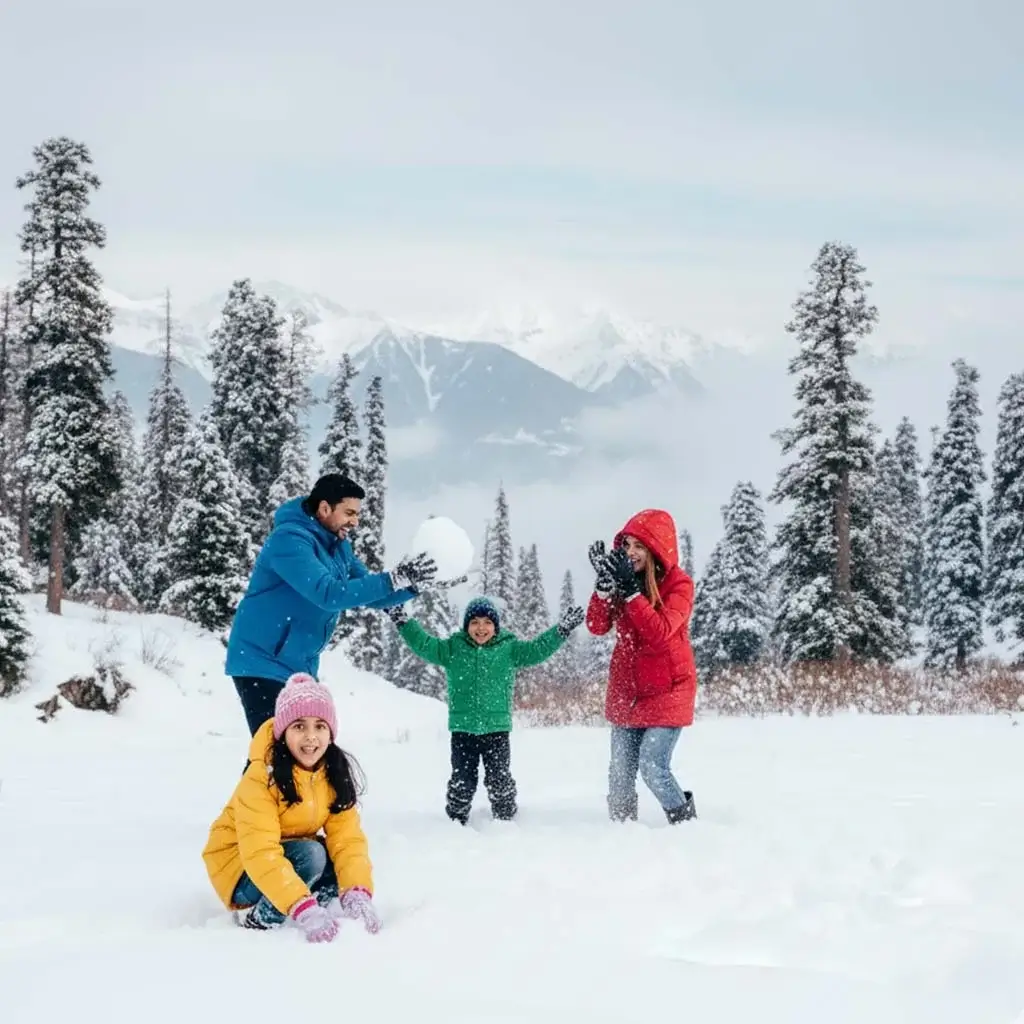 5D/4N
5D/4NBest Of Kashmir – Srinagar, Gulmarg & Pahalgam Tour Package
1D Srinagar•1D Gulmarg (day trip)+3
₹12,500₹28,999SAVE INR 16,499/ person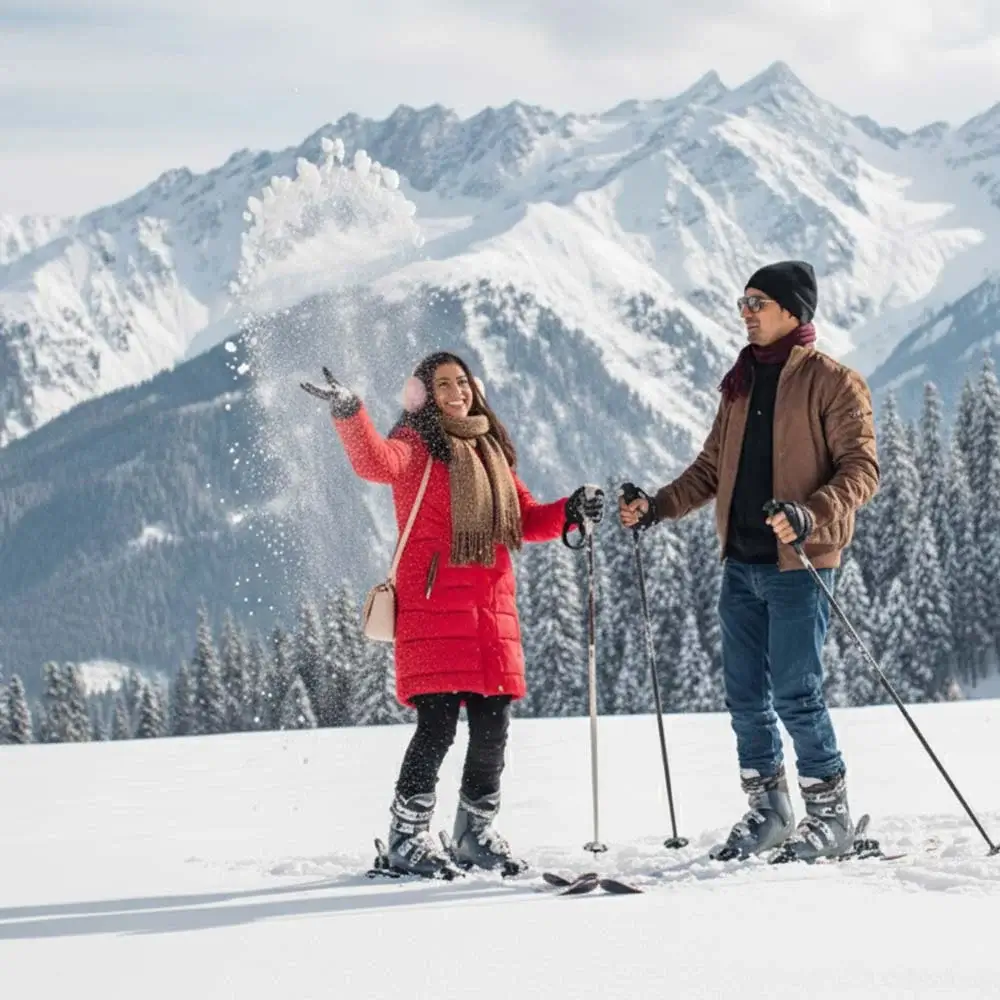 5D/4N
5D/4NKashmir Honeymoon Experience – Srinagar, Gulmarg & Pahalgam
1D Srinagar•1D Gulmarg (day trip)+3
₹14,999₹29,999SAVE INR 15,000/ person
Related topics
Frequently Asked Questions
What are the five best places to visit in Kashmir?
Srinagar, Gulmarg, Pahalgam, Sonamarg and one quiet meadow, either Doodhpathri or Yusmarg. Srinagar covers the lakes, Mughal gardens and the old city. Gulmarg brings the Gondola and snow, Pahalgam brings the Lidder valley and Aru, and Sonamarg adds raw alpine scenery. The meadow day gives your plan breathing room. Together they cover water, mountains, culture and quiet in one trip.
Which place is most visited in Kashmir?
Srinagar, comfortably. Every itinerary starts or ends there because the airport, the houseboats, Dal Lake and the Mughal gardens all sit in one city. Among the excursions, Gulmarg pulls the biggest year-round crowds since it works in both summer and winter. Pahalgam runs close behind, especially through summer holidays and the Yatra season, when its valleys fill up fast.
How many days are enough for a first Kashmir trip?
Six nights and seven days is the sweet spot. That covers Srinagar properly, gives Gulmarg and Pahalgam overnight stays, and leaves room for a Sonamarg day when roads and advisories allow. Four nights works only if you drop one major destination. Anything shorter becomes an airport-to-viewpoint sprint. If you can stretch to nine or ten days, add Gurez or a slow meadow day.
Can Srinagar, Gulmarg, Pahalgam and Sonamarg be covered in five days?
Technically yes, practically no. You would change hotels almost daily, spend five to seven hours driving on most days, and reach each place at its most crowded hours. In five days, pick Srinagar plus two of the three excursions and do them well. Save the fourth for next time. Kashmir rewards sitting still far more than ticking boxes.
Which is better for a short trip: Gulmarg, Pahalgam or Sonamarg?
The season decides. In winter, Gulmarg is the obvious pick for snow. In summer, Pahalgam gives the most complete experience with the river, Aru and easy walks, and it suits families best. Sonamarg suits travellers chasing raw alpine scenery or continuing towards Ladakh. If you stay torn in summer, choose Pahalgam with an overnight stay.
What are the best offbeat places in Kashmir?
Gurez Valley leads the list if you can spare two or more nights. For single days out of Srinagar, Doodhpathri and Yusmarg give quiet meadows without long drives, Aharbal adds a waterfall in the south, and Verinag with Kokernag makes a calm springs and gardens day. Lolab Valley suits repeat visitors. For all of these, verify road access and ID requirements before setting out.
What is the best month to visit Kashmir?
There is no single best month. Mid-March to April brings tulips and blossom. May and June open the meadows in mild weather. July and August work well but carry Yatra traffic rules and rain spells. September and October bring chinar colour and clean light. December to February is for Gulmarg snow. Match the month to the experience you want, not to someone else's ranking.
Where can tourists see snow in Kashmir?
Gulmarg is the most reliable snow destination, with deep winter cover on its slopes and, in many years, snow holding near the upper Gondola stages into early summer. Sonamarg keeps snow late into spring. Sinthan Top holds it even longer when the road stays open. Nobody can guarantee snow for a specific date, so plan by season and check current conditions.
Which Kashmir destinations are suitable for senior citizens?
Srinagar works best. Shikara rides, drives through the gardens and houseboat stays involve minimal walking. Pahalgam suits seniors when kept relaxed, with riverside time instead of long pony trails. Gulmarg stays manageable if the mountain activities remain optional. Check stairs, walking distances and vehicle access at each sight, keep one activity per day, and involve a doctor where altitude or long drives raise concerns.
Is Gurez Valley worth visiting?
Yes, if you give it the nights it deserves. Gurez feels like a different Kashmir altogether, remote, built in wood and stone, with the Habba Khatoon peak standing over it. The drive is long and passes through security checks, so a day trip wastes it. Stay two nights minimum, carry original ID, keep plans flexible, and drop it from trips shorter than nine days.
Do tourists need a permit for Gurez?
The honest 2026 answer: sources conflict. Some point to a formal permit for the route, others describe only identity registration at check posts. Carry original government photo ID for every traveller and confirm the current procedure with district or security authorities before departure. Do not rely on an old blog post or a forwarded message, because the requirement can change.
Can tourists visit Kashmir during the Amarnath Yatra?
Yes. Tourism continues through the Yatra, but the 2026 advisory window from 2 July to 28 August brings convoy movements and cut-off timings on key roads, including reported cut-offs of 3:30 PM from Pahalgam and 4:00 PM from Sonamarg towards Srinagar. Plan your long drives for mornings, follow the daily traffic advisory, and keep buffer time. The valleys stay open. The schedule just tightens.
More about Kashmir
 Kashmir
Kashmir Taxi Guide 2026: Local Union Rules, Cab Routes & Current Fare Logic
Planning to use taxis in Kashmir in 2026? Understand local union rules, popular cab routes, sightseeing restrictions and how taxi fares are generally structured across Srinagar, Gulmarg, Pahalgam and Sonamarg.
 Kashmir
Kashmiri Food Guide 2026: What to Eat in Srinagar, Pahalgam & Gulmarg
Discover what to eat in Kashmir in 2026, from traditional Kashmiri dishes and Wazwan to local snacks, breads and drinks. This guide covers food experiences in Srinagar, Pahalgam and Gulmarg for first time visitors.
- Things to Do
- Places to Visit
 Kashmir
SIM Cards in Kashmir 2026: Internet, ATMs, IDs & Tourist Essentials
Travelling to Kashmir in 2026? Learn about SIM card access, mobile internet, ATM availability, accepted ID documents and other essentials tourists should arrange before visiting Srinagar, Gulmarg, Pahalgam and Sonamarg.
- First-Time Travellers