
10 Monasteries to Visit in and Around Dharamshala in 2026
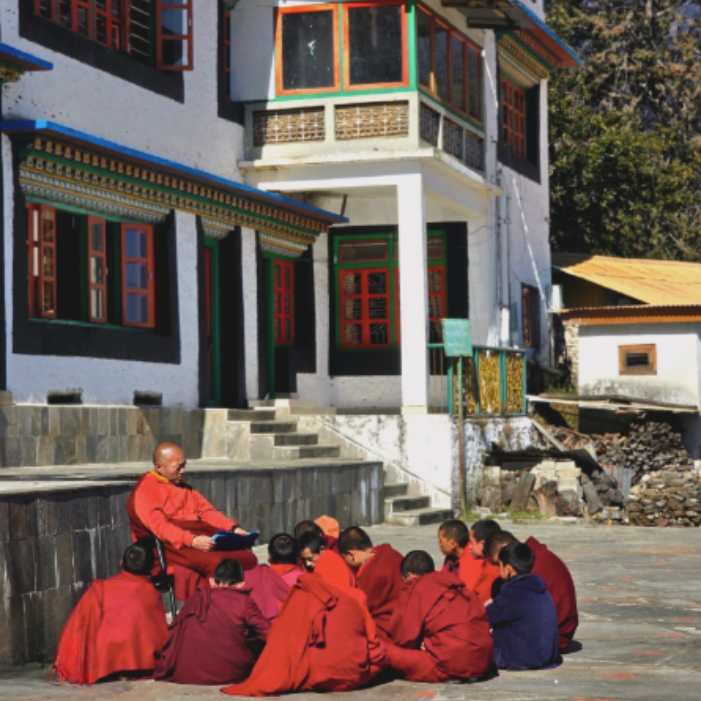
Dharamshala has more monasteries packed into a small area than almost any other town in India. But most travellers only visit one or two, usually the wrong ones for what they actually want.
The best monasteries to visit in and around Dharamshala include the Tsuglagkhang Complex, Namgyal Monastery, Gyuto Monastery, Nechung Monastery, Norbulingka Institute, Tsechokling Monastery, and Dolma Ling Nunnery.
Some you can walk to from McLeod Ganj in ten minutes. Others need a short cab ride. And a few are worth a longer half-day trip if you have the time.
This guide by Travel Coffee covers each one with real details on what you will actually experience, who each place suits best, and how to plan a smart monastery circuit without wasting half your day in a cab.
Quick Answer
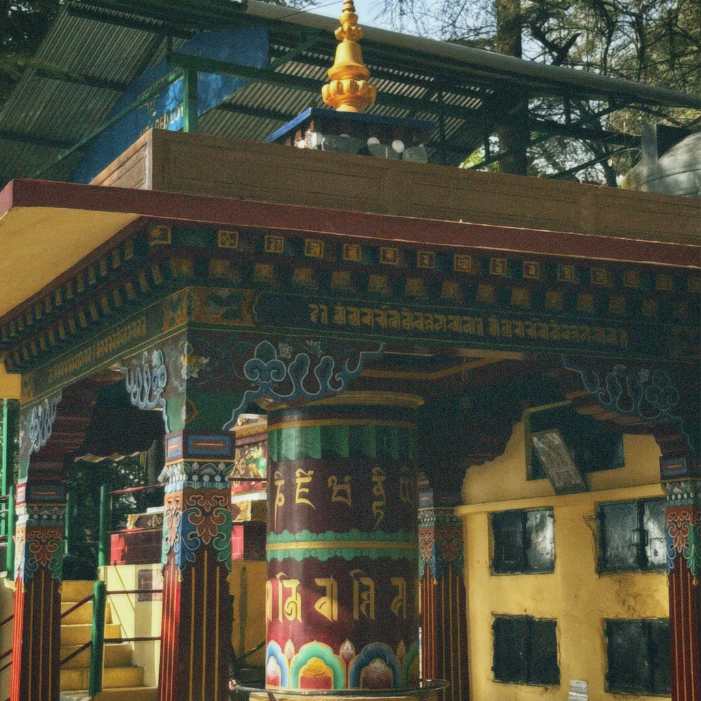
If you only have one day, start at Tsuglagkhang Complex and Namgyal Monastery in McLeod Ganj.
These are walkable, free to visit, and give you the most concentrated Tibetan Buddhist experience in town.
Add Nechung Monastery if you want something quieter, or take a cab to Gyuto Monastery in Sidhbari and Norbulingka Institute in Sidhpur for a fuller day.
Tsechokling Monastery is a calm, study-focused stop right in McLeod Ganj. Dolma Ling Nunnery is worth it for travellers interested in the role of nuns in Tibetan Buddhism. Most monasteries do not charge an entry fee, though Norbulingka has its own visitor system.
Mornings are almost always the best time. The light is softer, the crowds are thinner, and you are more likely to hear chanting echoing through the halls instead of tourist chatter.
Why Dharamshala Is One of the Best Places in India for Monastery Visits
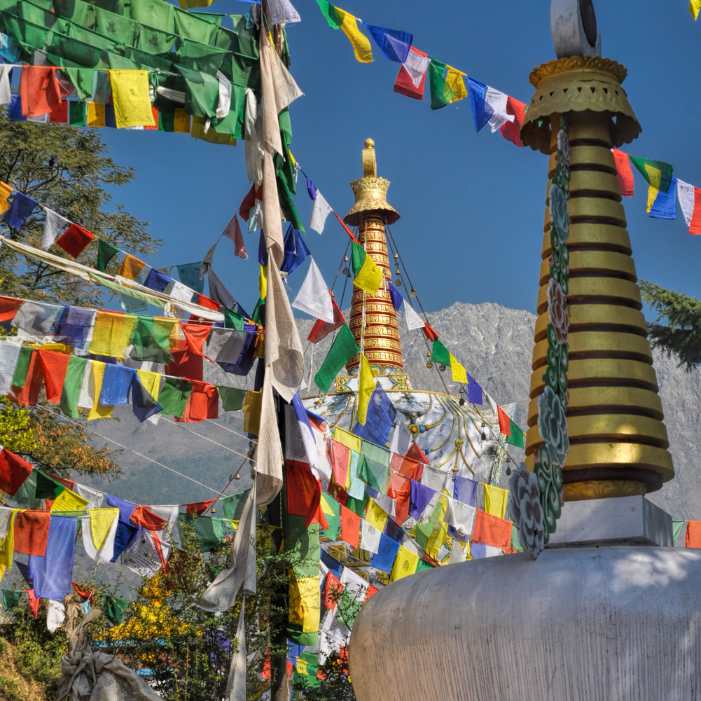
When His Holiness the Dalai Lama settled in Dharamshala in exile, the entire town slowly transformed. Tibetan refugees followed. Monasteries came up.
A government-in-exile took root. And over the decades, McLeod Ganj and the areas around it became the closest thing to a living Tibetan cultural capital outside Tibet.
What makes Dharamshala different from other places with Buddhist monasteries is that the monasteries here are not just tourist attractions.
Monks study here. Nuns debate philosophy here. Prayer sessions happen every day whether tourists show up or not.
You walk past monks carrying groceries in the same lane where prayer flags hang between buildings.
You hear chanting from a temple while sitting in a café eating banana pancakes. That mix of the everyday and the sacred is what makes monastery visits here feel real, not staged.
In our experience sending travellers to Dharamshala over the years, the ones who enjoy it most are the ones who slow down. One monastery visited properly beats four rushed ones every time.
Which Are the Best Monasteries to Visit in and Around Dharamshala?
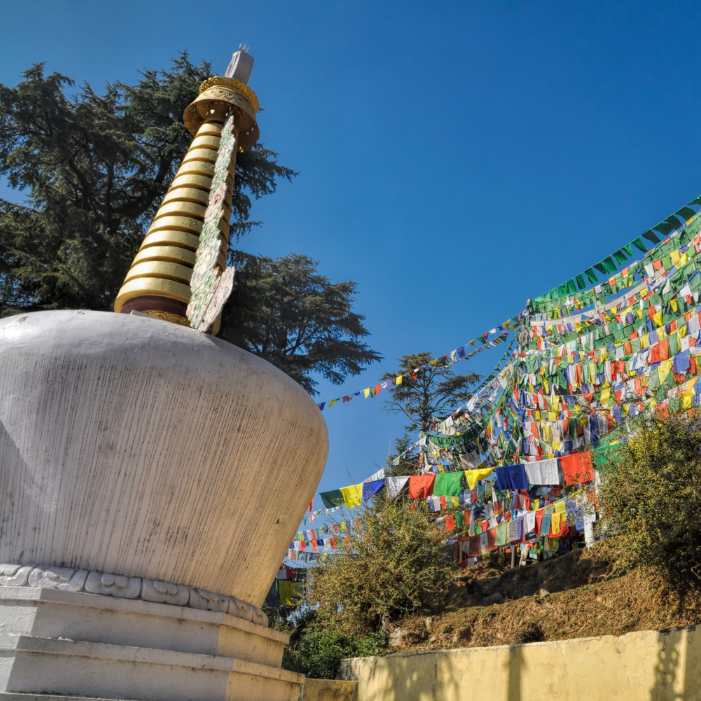
The monasteries spread across three zones, and knowing this saves you a lot of wasted travel time.
Walking distance from McLeod Ganj gives you Tsuglagkhang Complex, Namgyal Monastery, Nechung Monastery, and Tsechokling Monastery. You can cover all four on foot in a single morning if you start early.
A short cab ride away puts you at Gyuto Monastery in Sidhbari and Norbulingka Institute in Sidhpur. Both are about 20 to 30 minutes from McLeod Ganj and pair well together in an afternoon.
Longer day trips take you to places like Sherabling Monastery or Chokling Monastery, which are further out and suit travellers with extra days and a deeper interest.
If you have just one day, focus on the walkable McLeod Ganj circuit in the morning and pick one cab-distance stop for the afternoon. That is the format we recommend to most first-timers, and it works every time.
For a broader picture of what else to do in the area, our guide to the best places to visit in Dharamshala and McLeodganj covers the full range.
Tsuglagkhang Complex: The Spiritual Heart of McLeod Ganj
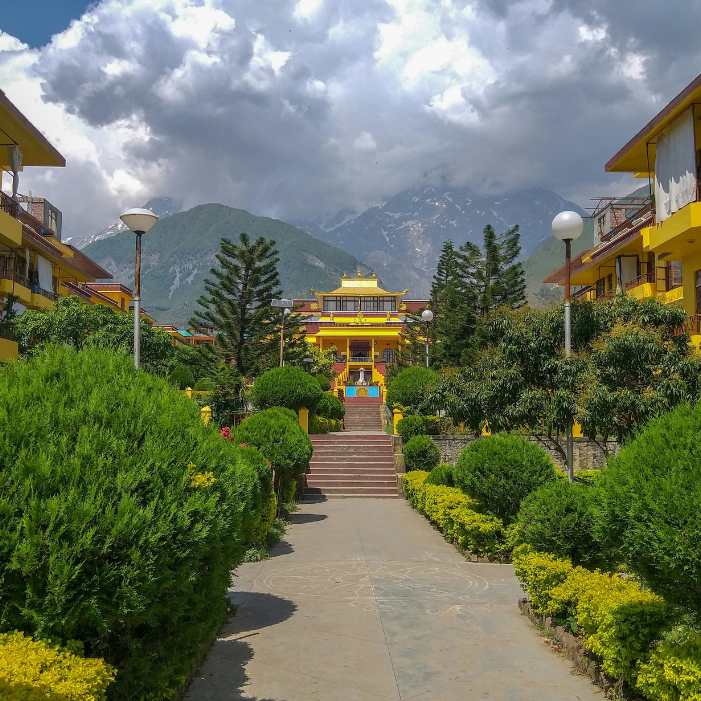
Tsuglagkhang is the Main Tibetan Temple in Dharamsala. If you visit only one place on your entire Dharamshala trip, this should be it.
The complex sits at the edge of McLeod Ganj's main square and includes the central temple, a row of large prayer wheels, and a courtyard that fills with monks, travellers, and locals throughout the day.
You walk past the prayer wheels, spin them as you go, and enter a space that feels genuinely different from anything else in Himachal.
What most tourists get wrong here is treating it like a quick photo stop. They walk in, take a few pictures, and leave in fifteen minutes. But the real experience is sitting down for a while. Watch the monks.
Listen to the silence between chants. Walk around the prayer wheel circuit slowly. That is when Tsuglagkhang stops being a sightseeing spot and starts being something you remember.
Morning visits hit differently. Before 9 AM, the courtyard is mostly monks and a few early walkers doing the kora (circumambulation path). By 11, tour groups start arriving and the energy shifts.
Is Namgyal Monastery the Same as the Dalai Lama Temple?
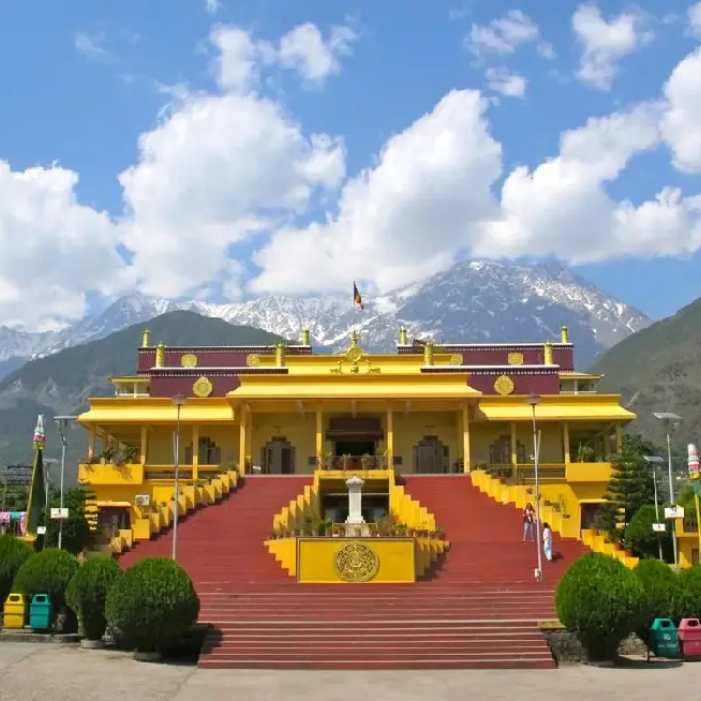
This confuses almost everyone, so let us clear it up.
Namgyal Monastery is the personal monastery of His Holiness the Dalai Lama. The Tsuglagkhang Complex is the Main Tibetan Temple.
They are located right next to each other in McLeod Ganj, and most visitors end up walking through both without realizing they are technically separate.
When people say "Dalai Lama Temple," they usually mean the Tsuglagkhang Complex. When they say "Namgyal Monastery," they mean the monastic institution attached to it.
In practice, you visit both in the same walk. Think of them as two parts of the same spiritual campus.
So no, they are not the same thing. But yes, you visit them together. And yes, you should see both.
Namgyal Monastery: Best for First-Time Visitors
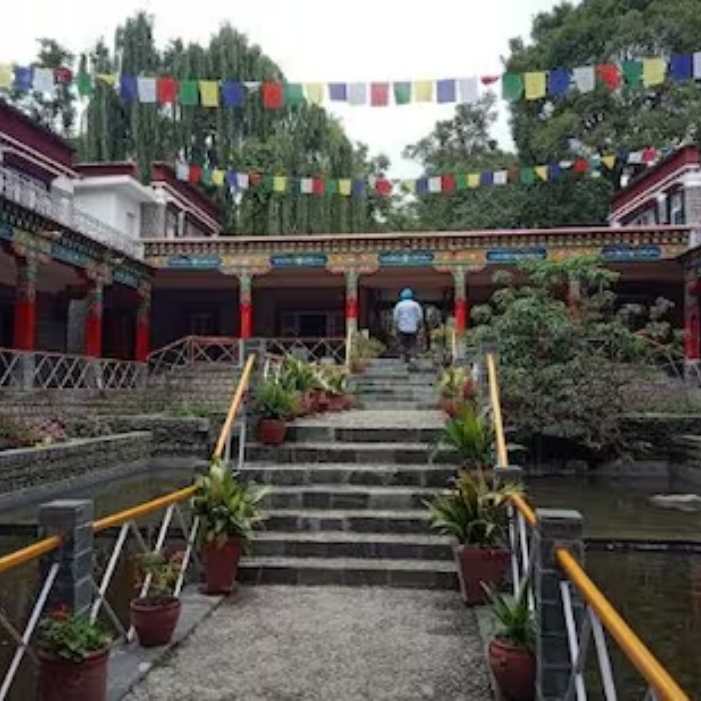
Namgyal Monastery carries a weight that goes beyond architecture. This is where the Dalai Lama's personal monks study, debate, and practice.
It has been the official monastery of successive Dalai Lamas for centuries, and its presence in McLeod Ganj is one of the reasons this small hill town became a global center for Tibetan Buddhism.
For first-time visitors, this is the single most important stop. Not because of how it looks, but because of what it represents.
You are standing in the monastery of a living spiritual leader whose influence reaches across the world. That context changes how the place feels.
Our team always tells first-timers to visit in the morning before 9 AM. The light comes through the windows in a way that makes the prayer hall feel completely still. Later in the day, it gets busier and the atmosphere shifts.
One thing to know: access can change during teachings, prayer sessions, and Tibetan holidays.
If your visit coincides with a major event, parts of the complex may be restricted or the crowds may be much larger than usual. Check locally before walking over.
Nechung Monastery: The Quieter Stop Most Tourists Miss
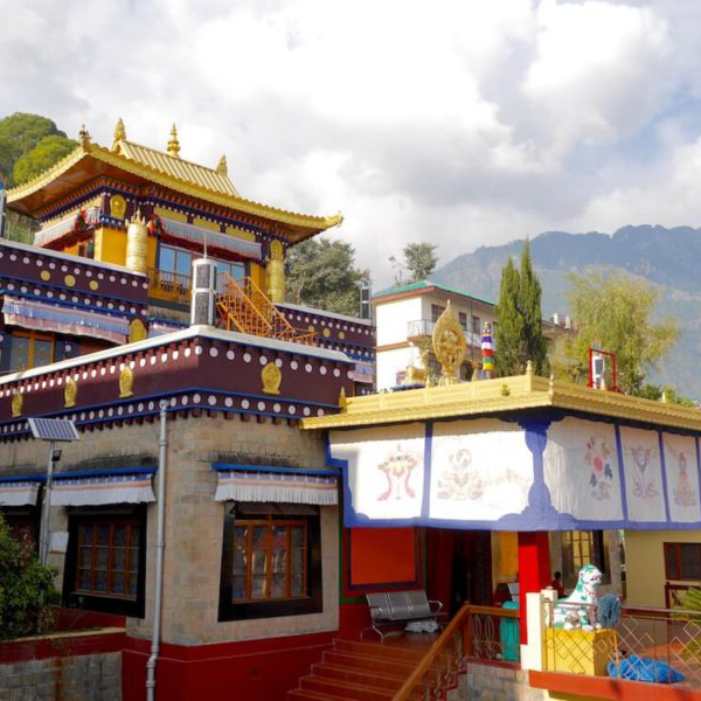
Nechung Monastery sits a short walk from the Tsuglagkhang Complex, but most tourists walk right past it. That is a mistake.
Nechung is associated with the State Oracle tradition, a unique part of Tibetan governance where an oracle was consulted on important matters of state.
The monastery has deep historical and spiritual significance, and the atmosphere inside reflects that. It is quieter, less crowded, and feels more intimate than the larger complexes nearby.
The murals inside Nechung are striking. They are vivid, detailed, and unlike what you see at most other monasteries in the area. If you have even a passing interest in Tibetan art, spend some time looking at the walls here.
This is the monastery we personally recommend to travellers who tell us they want something beyond the usual tourist circuit.
It is walkable from McLeod Ganj, does not take long, and gives you a completely different flavour of Tibetan Buddhist culture.
Gyuto Monastery: Best for Architecture, Chanting Tradition, and Open Views
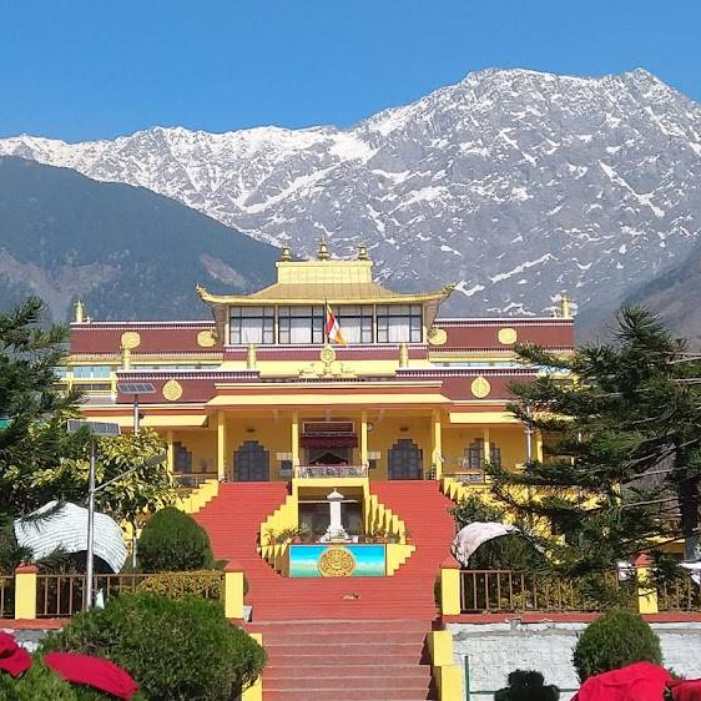
Gyuto Monastery is in Sidhbari, about 20 to 30 minutes by cab from McLeod Ganj. It is not walkable, and you should not try.
The road drops down from McLeod Ganj significantly, and the uphill return would exhaust you before the day is half done.
Gyuto was founded in Tibet in 1474 and is known for its tantric studies and chanting tradition. The monks here practice a style of chanting that sounds unlike anything else you will hear at other monasteries.
If you are lucky enough to visit during a chanting session, you will understand why this place has a reputation that reaches far beyond Dharamshala.
The building itself is large, colourful, and sits in an open area with views of the valley. It feels less cramped than the McLeod Ganj monasteries, and the grounds are pleasant to walk around even if you are not going inside the main hall.
One money-saving tip our drivers always share: instead of booking a separate cab to Gyuto, combine it with Norbulingka Institute in the same trip.
Both are on the lower side of Dharamshala, and a cab covering both costs much less than two separate bookings. Ask for a half-day rate rather than a per-trip fare.
Need help sorting transport and stays before you arrive? Send us your dates and group size on WhatsApp and we will sort the details.
>> WhatsApp us and we’ll handle your transport and accommodation
Norbulingka Institute: Is It a Monastery, Cultural Centre, or Both?
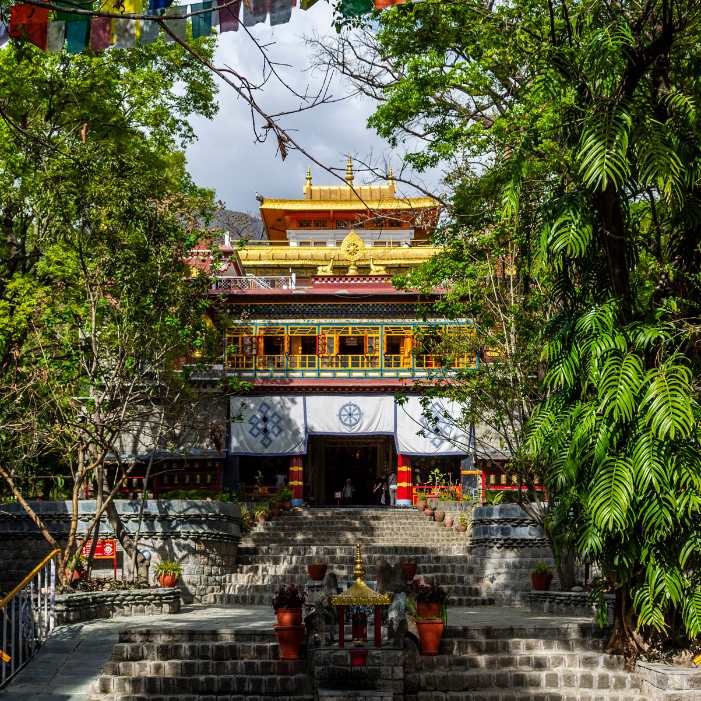
Norbulingka Institute in Sidhpur is hard to put in a single category, and that is exactly what makes it worth visiting.
There is a temple inside the complex that is beautiful and peaceful. But Norbulingka is also a working centre for Tibetan arts. You can watch artisans doing woodcarving, thangka painting, and metalwork.
There is a small shop, gardens, and a café. The whole place feels like someone built a calm, green pocket in the middle of the Kangra Valley and filled it with everything that matters in Tibetan culture.
Many travellers include Norbulingka in their monastery circuit, and rightly so. The temple alone justifies the visit.
But the arts workshops and the grounds add an extra layer that you do not get at a traditional monastery.
One thing to watch out for: the official Norbulingka pages list opening hours as 9 AM to 5 PM on one page and 9 AM to 5:30 PM on another.
Confirm the closing time before you visit, especially if you are combining it with Gyuto in the afternoon.
Arriving at 4:30 and finding the gates closing is not a fun experience. We have had travellers report exactly this.
Tsechokling Monastery: Best for a Quieter, Study-Focused Experience
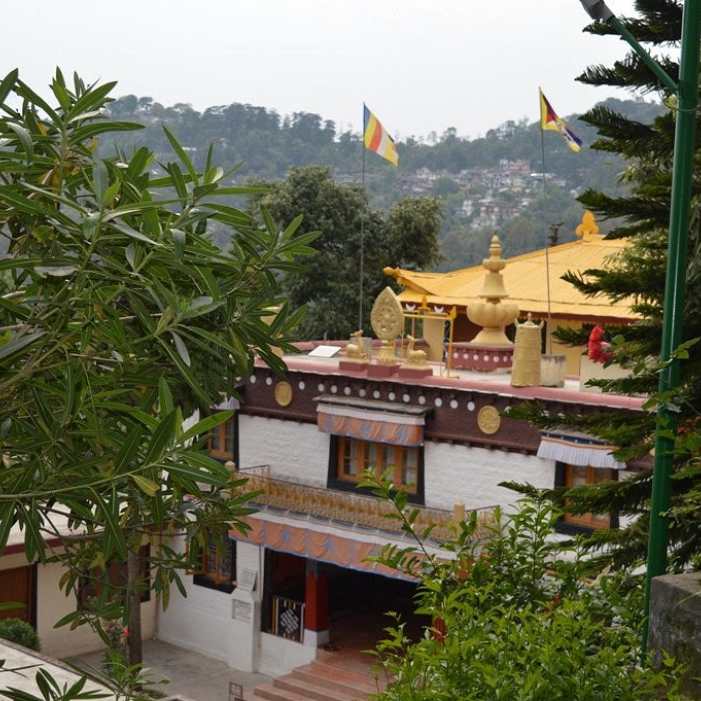
Tsechokling Monastery sits right in McLeod Ganj but somehow stays under the radar. While crowds line up at Tsuglagkhang and Namgyal, Tsechokling remains calm and mostly empty of tourists.
This is a study-focused monastery. Monks here spend their time on texts and debate, not on receiving visitors. That means the atmosphere inside is noticeably different. Less performance, more practice.
If you are staying in McLeod Ganj for a couple of days and want a monastery visit that feels personal rather than touristy, walk over to Tsechokling on your second morning. You do not need a cab, you do not need a guide, and you do not need more than 30 to 40 minutes.
Skip the paid viewpoint near the main square if someone tries to sell you on it. The walk to Tsechokling gives you better views of the valley for free.
Dolma Ling Nunnery: Should You Include a Nunnery in Your Dharamshala Monastery Itinerary?
Yes. And here is why.
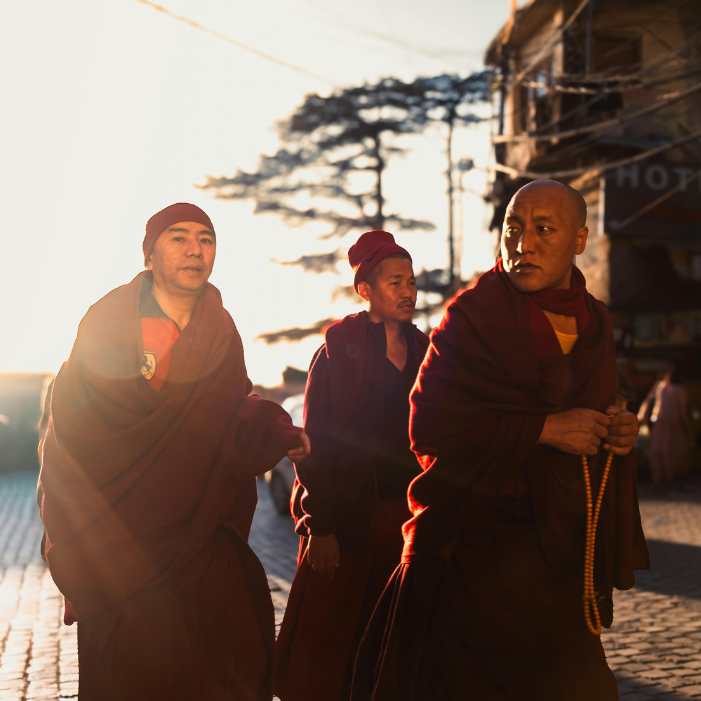
Dolma Ling Nunnery and Institute is a non-sectarian nunnery near Dharamshala that His Holiness the Dalai Lama inaugurated in 2005.
About 300 nuns live and study here, pursuing higher Buddhist education in a way that was historically difficult for women in the Tibetan monastic system.
Visiting Dolma Ling is not the same as visiting a monastery. The atmosphere is different. The pace is different.
There is a quiet seriousness to the place that reflects the significance of what these nuns have built. Many of them crossed the Himalayas on foot to reach India and continue their studies here.
This is not a place every tourist needs to visit. But if you care about the intersection of faith, education, and gender in Tibetan Buddhism, Dolma Ling will be one of the most meaningful stops on your trip.
It needs a cab from McLeod Ganj. Combine it with a visit to Gyuto or Norbulingka if your schedule allows.
Monasteries Near Dharamshala That Are Worth a Longer Day Trip
If you have three or four days in the area and have already covered the main monasteries, a few options outside Dharamshala are worth the drive.
Sherabling Monastery
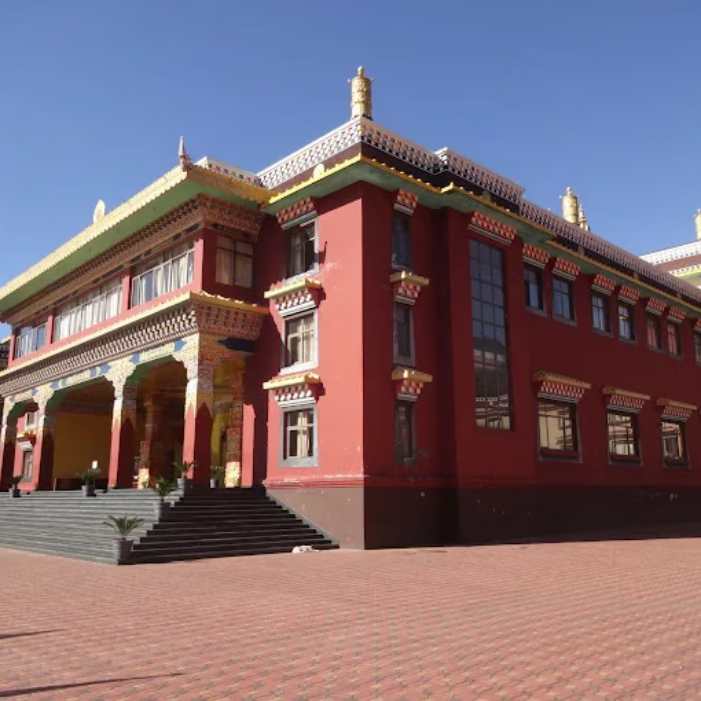
Sherabling Monastery in Bir is about two to three hours from Dharamshala and sits in a quiet, forested setting. It belongs to the Karma Kagyu tradition and has a large prayer hall with impressive murals.
Dorzong Monastery
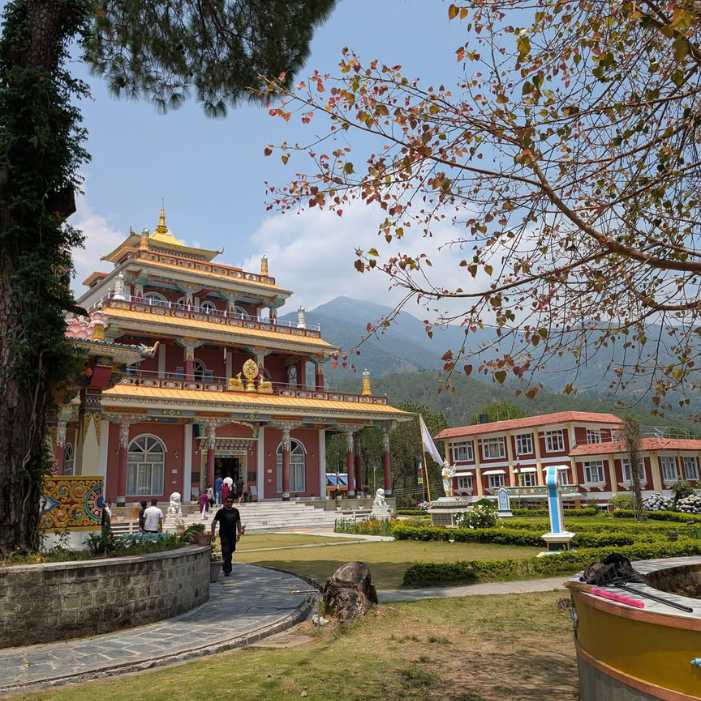
Dorzong Monastery near Palampur is smaller and even less visited. Chokling Monastery in Bir is another option, especially if you are already heading to Bir for paragliding.
To be honest, these are not essential for most first-time visitors to Dharamshala. The monasteries within and around Dharamshala give you more than enough for a two-day trip.
But for repeat visitors or travellers with a specific interest in different Tibetan Buddhist traditions, these longer drives are rewarding.
How to Plan a 1 Day Monastery Circuit in Dharamshala
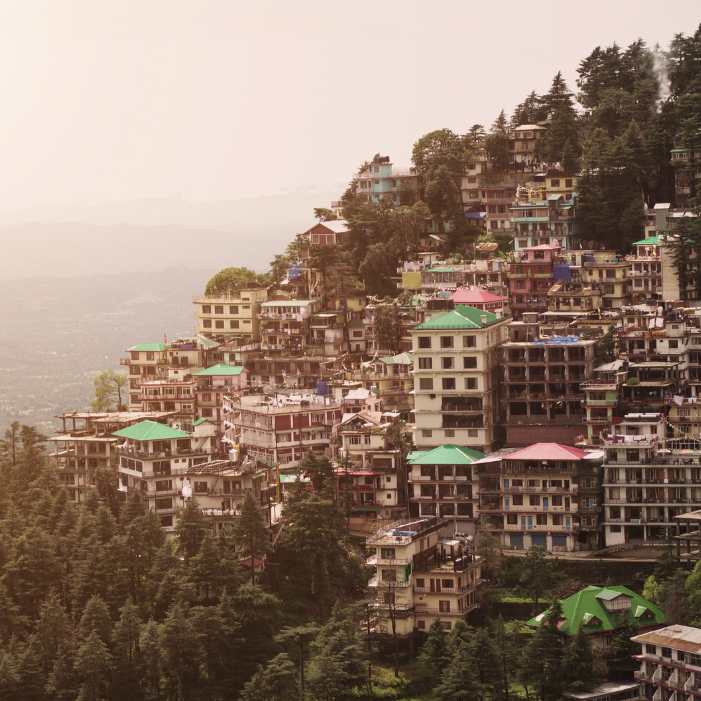
Two plans that work. Pick the one that matches your energy.
Plan A
Walking circuit, McLeod Ganj only. Start at Tsuglagkhang Complex and Namgyal Monastery by 8 AM. Spend an hour here without rushing. Walk to Nechung Monastery next, about 15 minutes away.
Then loop back through McLeod Ganj and stop at Tsechokling Monastery before lunch. You are done by noon and the rest of the day is free for cafés, the kora walk, or just sitting with a book.
Plan B
McLeod Ganj morning plus cab afternoon. Follow Plan A for the morning. After lunch, take a cab down to Gyuto Monastery in Sidhbari and then Norbulingka Institute in Sidhpur.
Ask the cab to wait. You will be back in McLeod Ganj by 5 PM. This is the more complete version but also the more tiring one.
A word on the walking: McLeod Ganj is hilly. The distances between monasteries look short on a map but the slopes add effort, especially in the afternoon sun.
Wear proper shoes, not sandals. Carry water. And do not try to squeeze all seven monasteries into one day. You will remember nothing and enjoy less.
In our experience, Plan A in the morning followed by a relaxed afternoon is what most travellers enjoy most. Plan B suits people who are in Dharamshala for just one day and want the full experience.
Which Monasteries Can You Visit on Foot from McLeod Ganj?
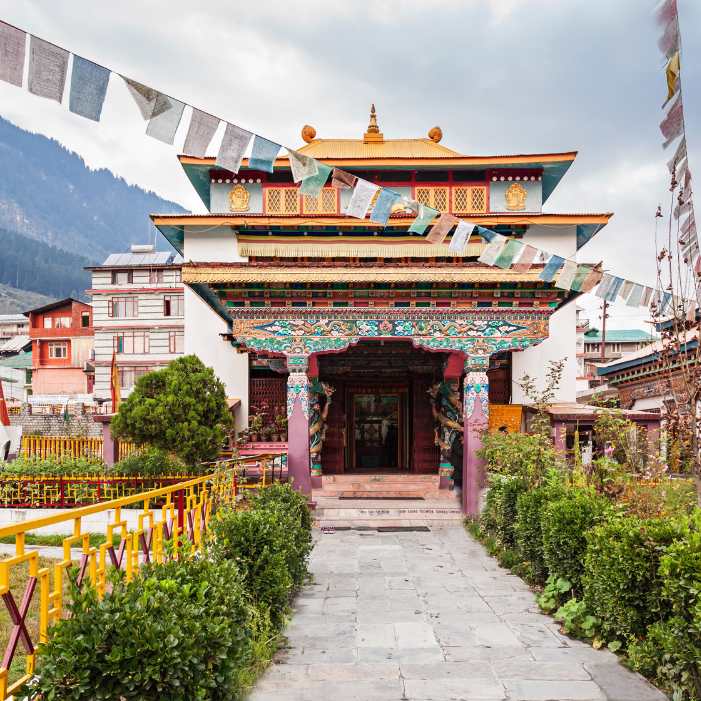
Tsuglagkhang Complex, Namgyal Monastery, Nechung Monastery, and Tsechokling Monastery are all walkable from the main McLeod Ganj square. None of these walks takes more than 15 to 20 minutes.
Gyuto Monastery, Norbulingka Institute, and Dolma Ling Nunnery all need a cab. They are on the lower side of Dharamshala, and while the distance is not huge, the elevation change makes walking impractical, especially if you plan to visit more than one in the same trip.
Some of the walking paths in McLeod Ganj are steep. The road to Nechung in particular has a sharp incline that can tire you out if you are not used to hill walking. Take it slow and enjoy the views on the way.
Entry Fee, Timings, and Etiquette You Should Know Before Visiting
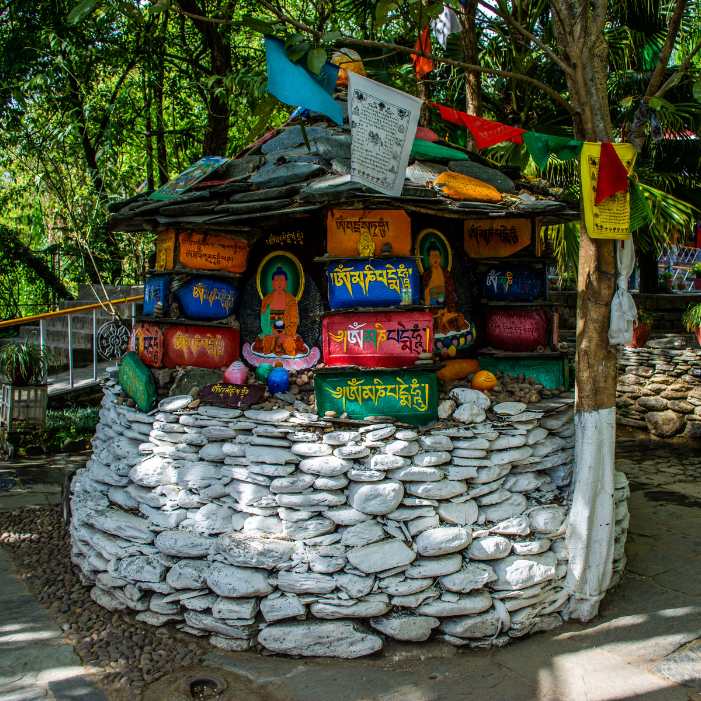
Most monastery visits in Dharamshala are generally free. You walk in, spend time, and walk out without paying an entry fee.
However, Norbulingka Institute and the Tibet Museum have their own visitor systems, so check at the entrance.
The Tibet Museum is currently located at Gangchen Kyishong near the Library of Tibetan Works & Archives, not at its older McLeod Ganj location.
It is open 9 AM to 5 PM with a lunch closure from 1 PM to 2 PM, and closed on Saturdays and gazette holidays.
For etiquette, a few things matter. Remove your shoes before entering any prayer hall. Dress modestly. Shoulders and knees should be covered. Keep your voice low. If monks are praying, do not walk between them and the altar.
Photography rules vary. Some monasteries allow photos in the courtyard but not inside the prayer hall. Others allow everything.
A few restrict photography entirely during prayer sessions. When in doubt, ask before pulling out your phone. A quick respectful question will always get you a clear answer.
One safety note: during major teachings or Tibetan holidays, the Tsuglagkhang area gets extremely crowded. Security checks increase, and access to certain areas may close without prior notice.
If your trip falls around Losar (Tibetan New Year) or a scheduled teaching, plan your visit around the event, not into it.
Can Tourists Attend Prayers or Dalai Lama Teachings in Dharamshala?
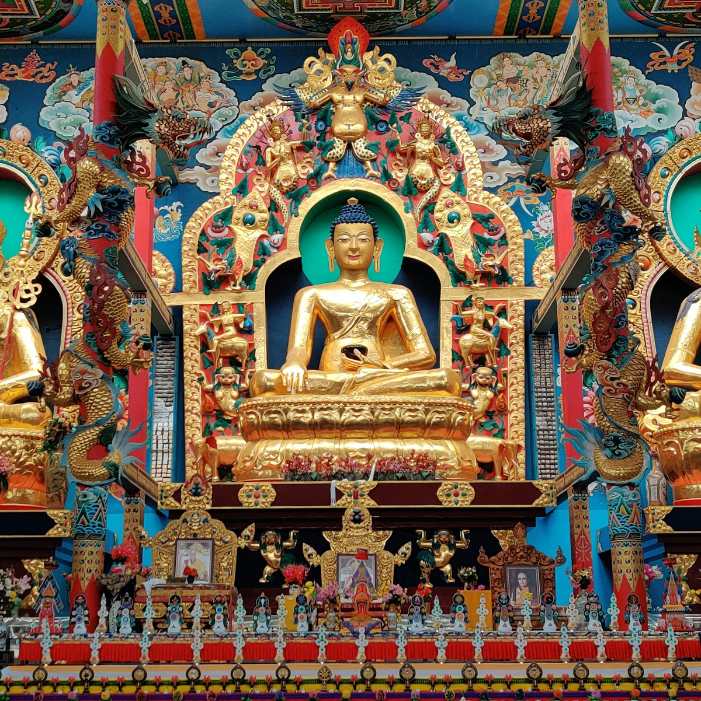
Walking into a monastery during regular hours and sitting quietly is usually fine. Most monasteries welcome respectful visitors, and you may find yourself sitting in on a prayer session without any formal arrangement.
Attending official Dalai Lama teachings is a completely different process. These are scheduled events, and they require advance registration. The official Dalai Lama schedule page publishes upcoming teaching dates.
Foreigners need to submit copies of their passport, Indian visa, and C form. People living in India need an Aadhaar copy.
Major public prayer events continued at Tsuglagkhang in 2025 and 2026, showing it remains an active spiritual centre.
But do not assume you can just show up on a teaching day and walk in. Registration closes before the event, and security is tight.
What we tell our travellers: if attending a teaching is your main reason for visiting Dharamshala, check the official schedule at least a month in advance and register early. Then plan the rest of your trip around those dates.
If you want help building a Dharamshala itinerary around a teaching event, our Dharamshala tour packages are designed with local knowledge of how these events affect the town.
Best Time to Visit Monasteries in Dharamshala
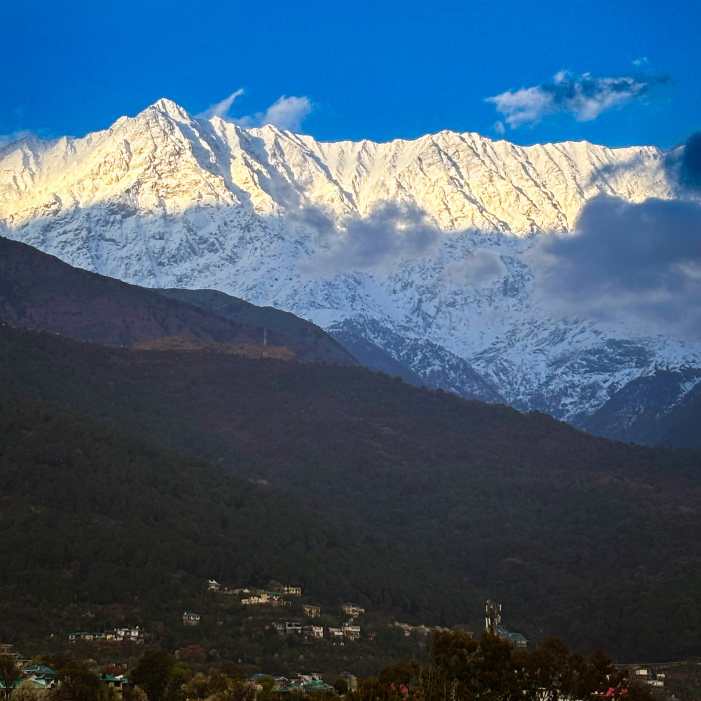
The easiest sightseeing seasons are March to June and September to November. The weather is pleasant, the roads are clear, and you can walk between monasteries comfortably.
July and August bring monsoon rain. The monasteries are still open, but the steep lanes of McLeod Ganj get slippery, and cab rides take longer because of traffic and wet roads.
December to February is cold, especially early mornings. You can still visit, but the chill in unheated prayer halls will cut your visit shorter than you planned.
Mornings are almost always calmer. Get to Tsuglagkhang by 8 AM and you will share the space with monks and a handful of early walkers. By 10:30, the first wave of day-trippers from Dharamshala town arrives and the vibe shifts.
If you are visiting Dharamshala in May specifically, our Dharamshala McLeodganj in May guide covers the weather and crowd reality in more detail.
Nearby Add-Ons That Pair Well with a Monastery Day
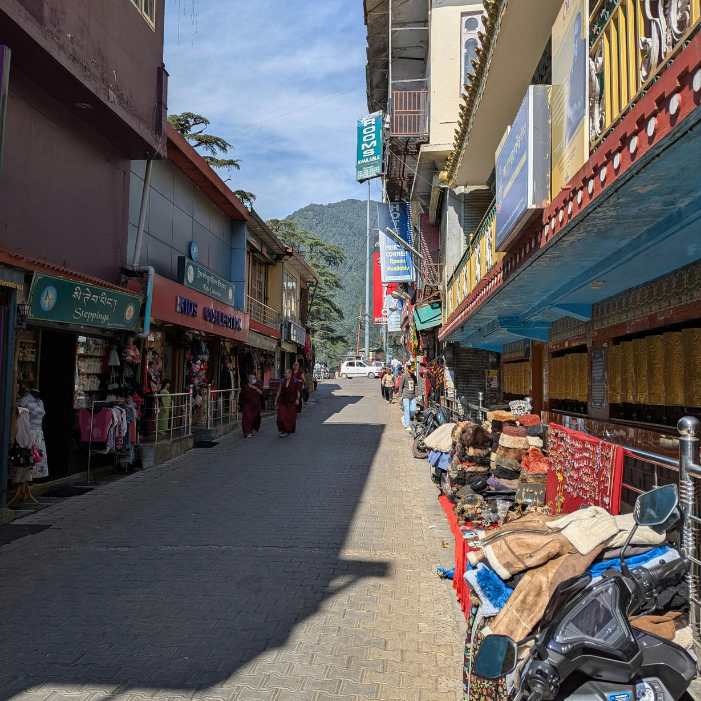
The Tibet Museum at Gangchen Kyishong is the most natural add-on. It tells the story of the Tibetan exile in a way that adds real context to everything you see at the monasteries.
Visit it after your morning monastery circuit if you have the energy. Open 9 AM to 5 PM, closed 1 to 2 PM for lunch and on Saturdays.
A slow walk through the McLeod Ganj market after your morning visits is worth the time. The shops selling Tibetan handicrafts, singing bowls, and prayer beads are not just souvenir stops.
Many are run by Tibetan families, and a short conversation at one of these shops often teaches you more than a museum display.
If you have an extra day, the Dharamkot area above McLeod Ganj offers a different pace with quiet walks, meditation centres, and forest trails. It pairs well with a monastery-focused first day.
Our Suggested Monastery Route If You Only Have One Day in Dharamshala
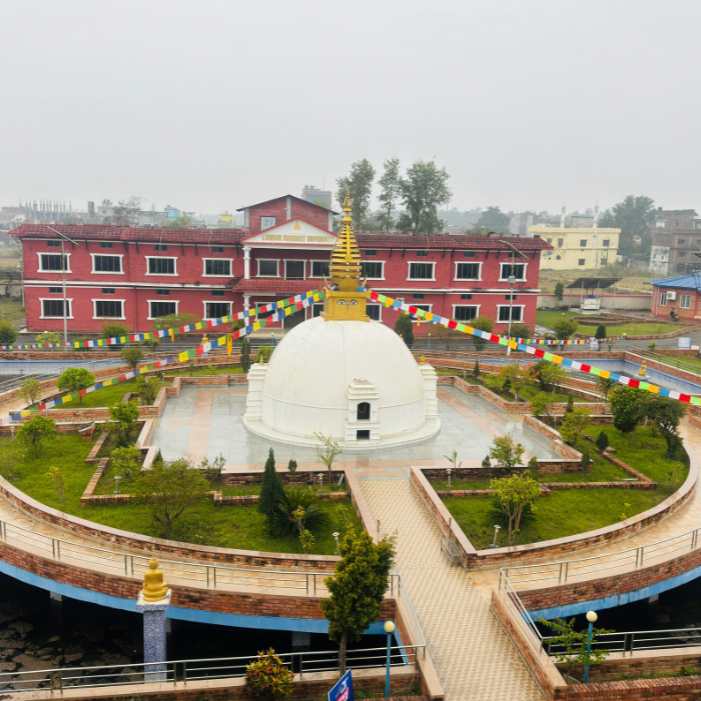
For first-timers
Start at Tsuglagkhang and Namgyal Monastery at 8 AM. Spend a full hour. Walk to Nechung Monastery. Return to McLeod Ganj for chai and a late breakfast.
If you still have energy, take an afternoon cab to Norbulingka Institute and walk the gardens before closing time.
For quieter travellers or repeat visitors
Skip the big complexes. Go directly to Tsechokling Monastery in the morning. Sit, watch, breathe. Then take a cab to Dolma Ling Nunnery.
End the day at Gyuto Monastery and catch the late afternoon light on the valley from the grounds. This version has fewer people, fewer photos, and more stillness.
The top monastery and Tibetan culture sites in Dharamshala can be spread across one full day or two slower days depending on your pace.
We almost always recommend two days if your schedule allows. One day is doable but you will feel like you rushed.
Check out our popular tours if you want a full Dharamshala itinerary with stays, transport, and a local team that actually picks up the phone.
Final Thoughts
If this is your first time in Dharamshala, Tsuglagkhang, Namgyal Monastery, and Nechung give you the strongest experience with the least effort. Walk to all three in one morning and you will understand why this town matters.
If you are more interested in Tibetan arts and culture than pure spirituality, add Norbulingka Institute and the Tibet Museum to your list.
If you want something most tourists never see, visit Dolma Ling Nunnery and Tsechokling Monastery.
And if you have been here before and want to go deeper, drive out to Sherabling or Chokling for a completely different experience.
The monasteries in Dharamshala are not just buildings with pretty murals. They are living institutions where real practice happens every day.
Visit them with that understanding, and you will take home something more than photographs.
If you want us to put together a version of this trip that fits your dates and group size, Talk to our team on WhatsApp
>> WhatsApp us to customise this trip for your dates and group size
Explore Our Curated Dharamshala & McLeodganj Tours Packages
 3D/2N
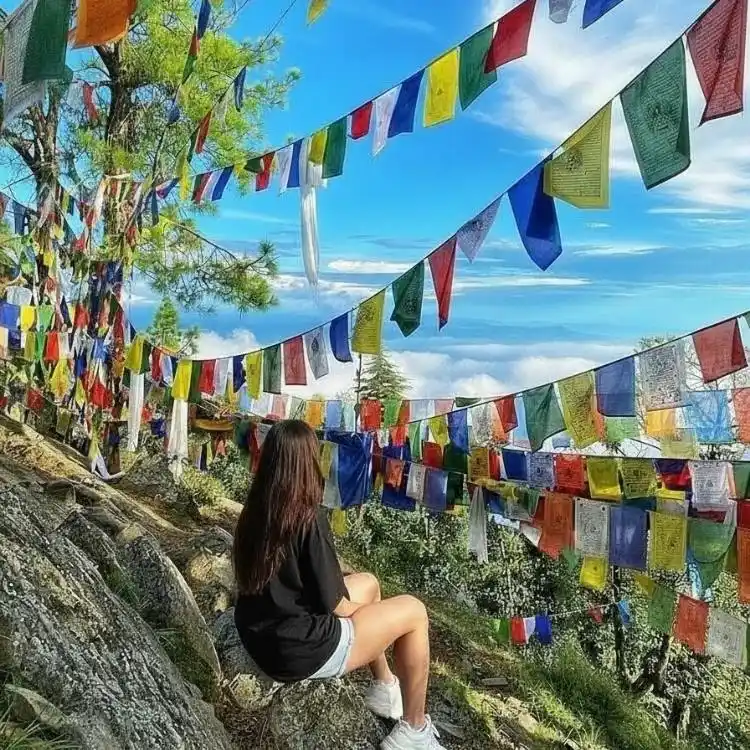
3D/2NDharamshala & McLeodganj Weekend Tour
1D Delhi•2D Dharamshala / McLeodganj
₹8,799₹17,880SAVE ₹9,081/ person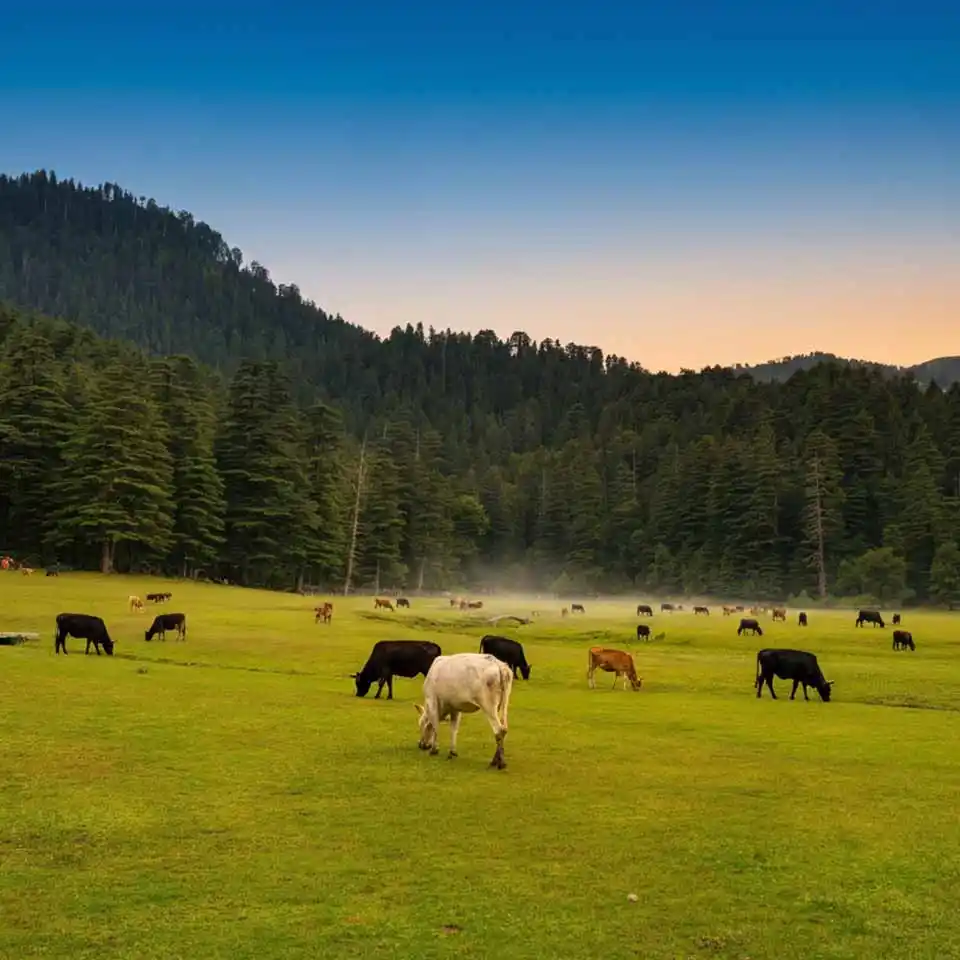 6D/5N
6D/5NDharamshala Dalhousie Khajjiar Meadow Circuit
1D Delhi•2D McLeodganj+1
₹19,999₹25,999SAVE ₹6,000/ person 7D/6N
7D/6NDharamshala–McLeod Ganj, Dalhousie & Khajjiar With Amritsar
1D Delhi•2D McLeod Ganj / Dharamshala+3
₹23,999₹28,999SAVE ₹5,000/ person
Related topics
Frequently Asked Questions
Which is the most famous monastery in Dharamshala?
Namgyal Monastery and the Tsuglagkhang Complex are the most well-known, primarily because of their association with His Holiness the Dalai Lama. Most first-time visitors start here.
Is Namgyal Monastery the same as the Dalai Lama Temple?
No. Namgyal Monastery is the personal monastery of the Dalai Lama. The "Dalai Lama Temple" usually refers to the Tsuglagkhang Complex, which is the Main Tibetan Temple. They sit next to each other and you visit both in the same walk.
What is the difference between Tsuglagkhang and Namgyal Monastery?
Tsuglagkhang is the Main Tibetan Temple in Dharamsala, a public temple with prayer wheels and a large courtyard. Namgyal Monastery is the Dalai Lama's personal monastic institution located within the same complex. Same campus, different roles.
Which monasteries are near McLeod Ganj?
Tsuglagkhang Complex, Namgyal Monastery, Nechung Monastery, and Tsechokling Monastery are all walkable from the main McLeod Ganj square. Gyuto, Norbulingka, and Dolma Ling need a cab.
Is there any entry fee for monasteries in Dharamshala?
Most monastery visits are generally free. Norbulingka Institute and the Tibet Museum have their own visitor entry systems, so check at the entrance. Smaller monasteries typically do not charge anything.
What are Gyuto Monastery timings?
Gyuto Monastery is generally open during daytime hours for visitors. Timings can shift during special prayer events or teachings. Confirm locally before making the trip from McLeod Ganj.
Can tourists attend prayer sessions?
You can usually sit quietly during regular prayer sessions at most monasteries. Official Dalai Lama teachings require advance registration with identity documents. Check the official schedule page well before your trip.
Is photography allowed inside monasteries?
Rules vary. Most monasteries allow photos in courtyards and outer areas but restrict photography inside prayer halls, especially during prayers. Always ask before shooting. A polite question goes a long way.
How many monasteries are there in Dharamshala?
The Dharamshala and McLeod Ganj area has over a dozen monasteries, nunneries, and Tibetan Buddhist institutions. Seven to eight of these are commonly visited by travellers. You do not need to see all of them to have a meaningful experience.
Which monastery is least crowded?
Tsechokling Monastery in McLeod Ganj and Nechung Monastery are consistently the quietest. Both are walkable from the main square but get a fraction of the footfall that Tsuglagkhang receives.
Can I visit Norbulingka and Gyuto on the same day?
Yes. Both are on the lower Dharamshala side and pair well in a single cab trip. Start with Gyuto in Sidhbari, then drive to Norbulingka in Sidhpur. The whole trip takes about 3 to 4 hours including travel time.
Are there any nunneries near Dharamshala worth visiting?
Dolma Ling Nunnery and Institute is the most well-known. It is home to about 300 nuns and was inaugurated by the Dalai Lama in 2005. It is a meaningful visit for anyone interested in how Tibetan Buddhist education extends to women.
More about Dharamshala
 Dharamshala
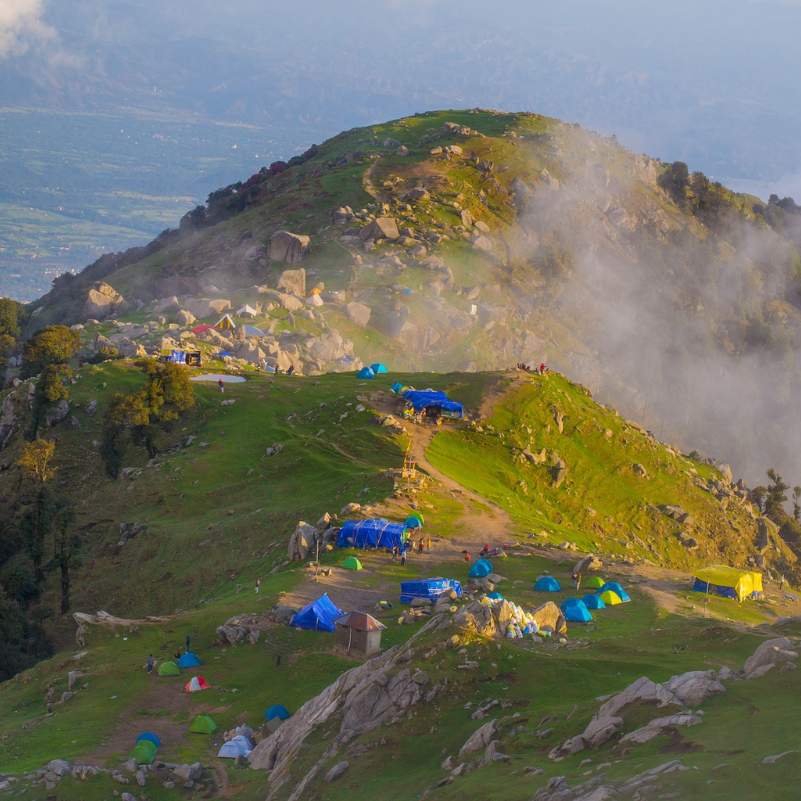
Trekking in Dharamshala: Every Major Trek Ranked (2026 Guide)
Planning to go trekking in Dharamshala in 2026? This complete guide ranks the region's best treks by difficulty, scenery, and experience, while covering ideal seasons, trail highlights, and practical planning tips for every type of trekker.
- Things to Do
 Dharamshala
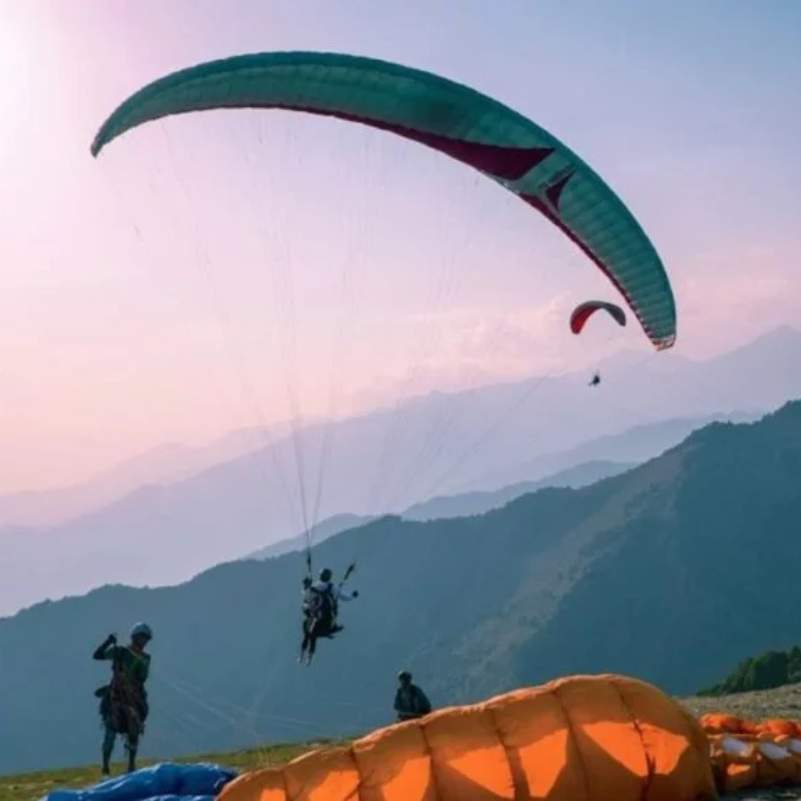
Bir Billing Paragliding 2026: Complete Guide and How to Reach from Dharamshala
Planning to experience Bir Billing paragliding in 2026? This complete guide covers flight options, costs, the best season to fly, safety tips, and how to reach Bir Billing from Dharamshala for one of Himachal Pradesh's most iconic adventure experiences.
- Things to Do
- How to Reach
 Dharamshala
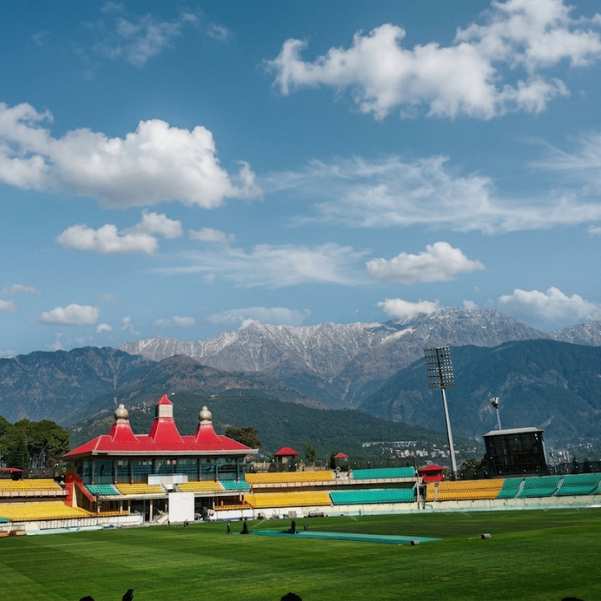
5 Days in Dharamshala and McLeodganj: A Slow Travel Itinerary for 2026
Planning 5 days in Dharamshala and McLeodganj in 2026? This slow travel itinerary combines iconic attractions, hidden local experiences, cafés, nature walks, and cultural stops to help you experience the region at a relaxed pace without rushing from one sight to another.
- Itinerary
- Things to Do